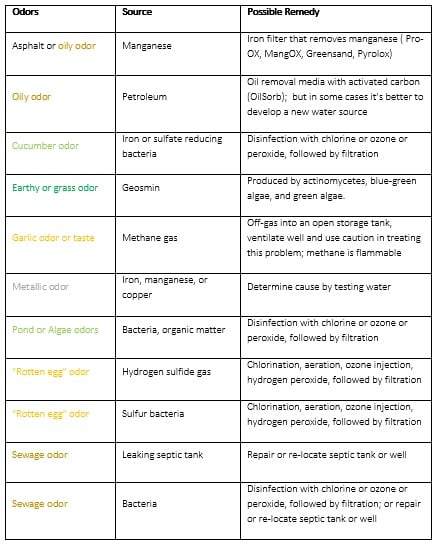
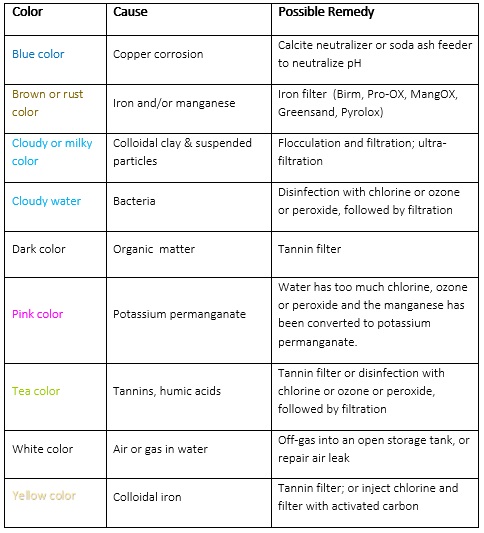
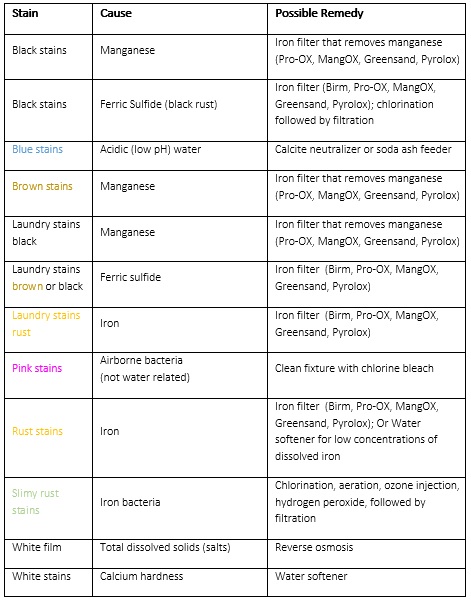
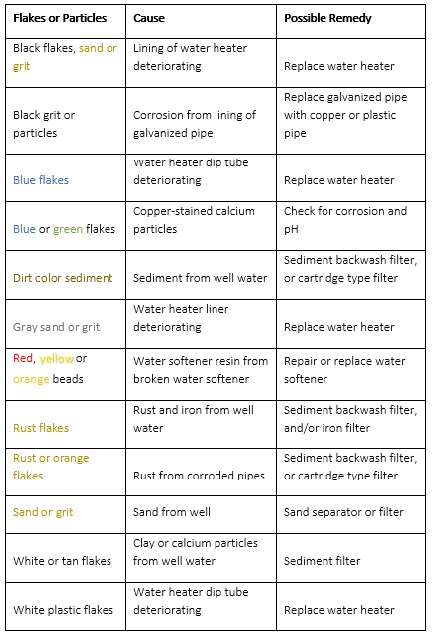
When selecting a well water treatment system, knowing your water chemistry is the key to finding the right system. Your water chemistry can easily be determined by conducting simple water testing, using one of our test kits.
If you have never had your well water tested, or have recently constructed or serviced your well, it’s a good idea to have a complete general mineral, physical, and bacteriological test done. Testing for water contamination is crucial, as pollutants or harmful substances may be present in your water supply even if they are not immediately obvious.
This includes common minerals, salts, metals, and bacteria. It should always include a pH test, which tells you how acidic or alkaline the water is. With these results, you can determine if you need any type of water treatment and what type of system to select based on your water chemistry.
If you are trying to correct an aesthetic or corrosion-related problem, such as staining, pinhole leaks, or odors, once again, the general mineral analysis is also recommended (this time include minimum tests for iron, manganese, tannin, pH, total dissolved solids, hardness, and alkalinity). In some cases, additional tests for tannins are recommended.
For health-related issues, at a minimum, include a test for total coliforms and E. coli (fecal coliforms). Fecal bacteria and bacterial contamination can enter drinking water supplies from sources such as septic systems or agricultural runoff, posing significant health risks. If infants and children will be drinking the water, a general, mineral, metal, and bacteriological test is recommended. Homeowners are encouraged to request a free water test or a professional water test to ensure the safety of their drinking water supplies.
Water quality plays a vital role in our daily lives, affecting the safety and taste of drinking water. Whether from a private well or public supply, water can contain natural and man-made contaminants. Common issues include hard water, caused by high calcium and magnesium, leading to scale buildup and reduced appliance efficiency. A water softener often addresses hard water, while problems like hydrogen sulfide gas, which causes a rotten egg odor, need other solutions. Regular water testing helps identify these issues, keeping your water safe, clean, and suitable for household use.
You can often get an indication of any well water problems by a physical inspection of your water, appliances, fixtures, and plumbing.
However, sometimes the underlying water problem causing the symptoms is not obvious. For example, corrosion of copper piping can be caused by acidic water (low water pH), but in other cases by water that is too alkaline (high water pH).
Odors, stains, and sediment can have various causes. It is critical to identify the water problem that is causing the symptoms correctly.
We recommend following the Well Water Treatment Cheat Sheet (below) to decide if your water needs further testing, whether or not you can fix it yourself, or if you need to hire a professional, as you may not always be correct in addressing the problem yourself.
Iron bacteria can cause an unpleasant water smell and contribute to odors like rotten eggs. Hydrogen sulfide can make water smell like rotten eggs, and this odor may be present in both cold and hot water.
The Environmental Protection Agency (EPA) has set guidelines for key water quality indicators to help assess drinking water safety. These include pH, total dissolved solids (TDS), and contaminants like lead, arsenic, and coliform bacteria. Indicators vary by water source—private wells may face contamination from underground storage tanks or agricultural runoff, while surface water has different risks. Regular water tests help detect issues early, allowing you to choose effective water treatment systems to protect your water and health.
For homeowners interested in monitoring their water quality, DIY test kits offer a convenient and affordable option. These kits detect common contaminants like bacteria, nitrates, and pH levels, providing quick results without specialized equipment.
However, DIY test kits may not be as comprehensive or accurate as professional testing. For example, low levels of hydrogen sulfide gas—which can cause a rotten egg smell—might go undetected with a basic kit. While DIY kits are a useful first step in identifying water problems, they should be supplemented with professional testing for a complete assessment, especially if persistent odors or other contamination signs appear.
Professional tests can identify contamination sources, helping you select the best water treatment systems. For instance, if high iron or manganese levels are found, a water softener or reverse osmosis system may be recommended. Investing in professional testing offers peace of mind and ensures your water treatment solutions suit your specific water quality needs.
A pressure tank is a vital part of any private well water system. It maintains consistent water pressure and ensures steady flow throughout your home. Regular maintenance is essential to avoid problems affecting your water supply. This includes checking the pressure gauge, inspecting for corrosion or leaks, and cleaning and flushing the tank regularly.
Neglecting maintenance can cause reduced water pressure, higher energy costs, and may introduce harmful bacteria or minerals into your water system. A corroded tank might require installing a water filter or other treatment system to restore water quality. Keeping your pressure tank in good condition helps protect your water supply and ensures reliable, safe water for your household.
As a reminder, here are our recommended steps for addressing and solving your well water problems.
If your tap water has started smelling or tasting a little "off" this week: earthy,…
If your water pressure has been weaker than usual this month, you're not imagining it.…
Is Your City Testing for This? Every year, your water utility sends out a report.…
Article last updated July 2026 If your well water is acidic, with a pH below…
Most homeowners come to us knowing something is wrong with their water. The smell, the…
If you are on city water and dealing with chlorine taste and odor, chemical smell…