_2.png)
 Request a Call
Sulfur or “rotten-egg” odors can develop in water heaters and corroded iron piping even if the water is chlorinated. This usually happens when chlorine levels are low, sulfate levels are high, or water sits unused for extended periods.

If persistent odors or age are concerns, consider upgrading to modern water heaters like tankless or heat pump models. These options offer energy efficiency, cost savings, and may qualify for rebates and federal tax credits. When choosing a water heater, factor in costs, installation, features like tank size and advanced controls, and fuel availability in your area.
Selecting the right water heater based on your household’s hot water needs and lifestyle ensures dependable performance and long-term savings. Taking advantage of energy-efficient models and available incentives helps save money and supports environmental goals.
Introduction to Water Heater Odors
Unpleasant smells from your water heater often indicate issues like bacteria, sediment buildup, or corrosion inside the tank. These problems can impact water quality, reduce system efficiency, and lead to higher energy use.
Routine maintenance helps prevent odors and keeps your system running reliably. Addressing minor problems early can extend your heater’s lifespan and improve performance.
If odors persist or your unit is aging, consider upgrading. Modern options—like heat pump water heaters—are more energy-efficient and cost-effective than traditional models.
When choosing a new water heater, factor in energy efficiency, size, and fuel type to meet your home’s needs. A professional installation ensures safe, optimal performance and long-term savings.
Odors Are Often Caused by Bacteria
Rotten egg smells or black water usually result from sulfates reacting with bacteria, often in hot water tanks. To locate the source, run both hot and cold taps separately. If only the hot tap smells, the issue is likely within the heater. A water heater odor treatment can help resolve it.
City water is typically chlorinated to kill bacteria, but low chlorine levels—especially at the far end of distribution lines—can allow odors to develop. If your cold water smells, contact your local utility.
Odors may also form in aging iron pipes, where bacteria thrive and chlorine gets depleted. Even cold water can develop smells if galvanized pipes inside the home are corroded.
To fix this, sanitize your plumbing with hydrogen peroxide or bleach. If odors persist, consider replacing galvanized pipes with copper to prevent bacterial growth.
Heat Pump Water Heater Odors
Most odor issues reported on city water come from the hot water system itself. If your hot tap has a sulfur or “rotten egg” smell, the odor is likely forming inside the tank. To fix this, sanitize the unit using hydrogen peroxide.
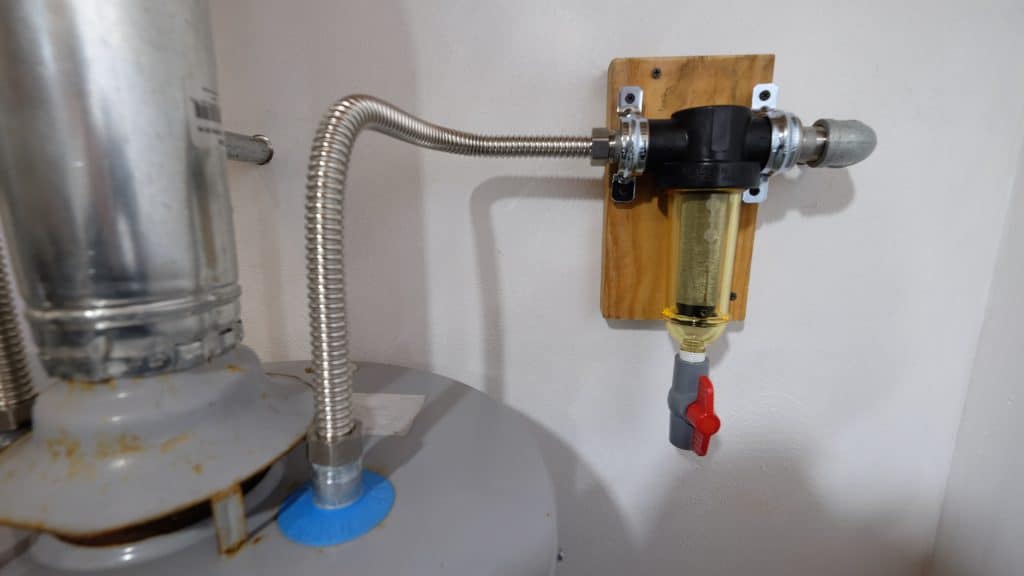
Nearly all systems have anode rods, which protect the tank from corrosion by releasing ions. However, this process can also lead to the formation of hydrogen sulfide gas, causing an odor. If only the hot tap smells (and the cold does not), cleaning the tank with 1–2 pints of 3% hydrogen peroxide is usually effective.
See the steps below for sanitizing. If you’re unfamiliar with how your hot water system works, hire a licensed plumber to avoid safety issues or damage, especially when restarting a gas unit.
We offer this information as informational and educational only, and no warranty or guarantees are expressed or implied. If the water heater is old and corroded, cleaning the sediment from the water and sanitizing by chlorination could cause the water heater to leak.
Procedure for Sanitizing a Hot Water Heater with Hydrogen Peroxide
- Turn Off Power: Switch off electric heaters manually. For gas models, turn the control to “Pilot” and ensure the pilot light stays lit.
- Shut Off Water Supply: Close the cold water inlet valve.
- Relieve Pressure: Open a nearby hot faucet and the T&P valve to release pressure. Replace old or defective T&P valves if needed.
- Drain Some Water: Drain enough water to make room for hydrogen peroxide. Use a hose if no nearby drain is available. Keep a hose bib cap handy in case the drain valve leaks afterward.
- Open Access: Remove the T&P valve, anode rod, or disconnect the hot outlet pipe. (Tip: Use a Water Heater Odor Killer kit for easier application.)
- Inspect Anode Rod: Replace a corroded rod with an aluminum/zinc one to reduce future odors.
- Add Hydrogen Peroxide: Pour 1–2 pints of 3% hydrogen peroxide per 40-gallon tank via the outlet pipe or T&P valve opening.
- Refill Tank: Open the cold inlet to refill. Monitor through the nearest hot faucet, then close once full.
- Let Sit: Allow peroxide to sit in the tank for 1–3 hours.
- Flush System: Open the cold inlet and all hot faucets to circulate the solution. Drain the remaining solution from the tank.
- Final Rinse: Refill tank with fresh water, leave for 15 minutes, then flush again through the drain valve and faucets.
- Purge Air: Run hot water faucets until all air is out. Then close faucets.
- Check for Leaks: Inspect and repair any leaking fittings.
- Restore Power: Turn power or gas control back on and confirm the heater is operating normally.
If the Odor Returns to the Hot Water
After this procedure is completed, the odor will be eliminated in almost all cases. However, if it returns within a few weeks, then the sanitizing procedure can be repeated. However, in many cases, the cold water will still have problems with recurring odors due to the continued presence of sulfate bacteria and low chlorine residuals in the water.
Other options for smelly, stinky sulfur odors in the water heater are:
- Remove the standard magnesium anode rod and replace it with an aluminum or zinc anode rod if you haven’t already.
- Replace the water heater with a plastic-lined water heater, or an instantaneous water heater (also known as a tankless water heater, which is known for its efficiency and modern design), or a commercial stainless steel water heater built with commercial-grade components for enhanced durability (none of which have anode rods).
Frequently Asked Questions (FAQs)
1. What causes a water heater odor that smells like rotten eggs?
A rotten egg smell in your water heater is usually caused by a reaction between sulfate bacteria and the anode rod inside the tank. This reaction produces hydrogen sulfide gas, which creates the unpleasant sulfur odor.
2. How do I get rid of water heater odor?
You can remove water heater odor by sanitizing the tank with hydrogen peroxide or by replacing the anode rod with an aluminum/zinc alternative. In persistent cases, flushing the tank and inspecting for sediment buildup can also help.
3. Why does only my hot water have an odor, not the cold?
If the odor is present only in hot water, the issue likely originates from your water heater. Cold water without odor suggests the source of the problem is within the tank, not the incoming water supply.
4. Can water heater odor be dangerous?
While the odor itself is not usually harmful, it can indicate the presence of bacteria or corrosion inside the tank. If left untreated, it may affect water quality and the efficiency of your system.
5. Should I replace my water heater if it has a persistent odor?
If repeated treatments don’t eliminate the odor, and your unit is older or shows signs of corrosion, it may be time to replace your water heater with a newer, more energy-efficient model.


