_2.png)
 Request a Call
Whole House Water Filters
City Water
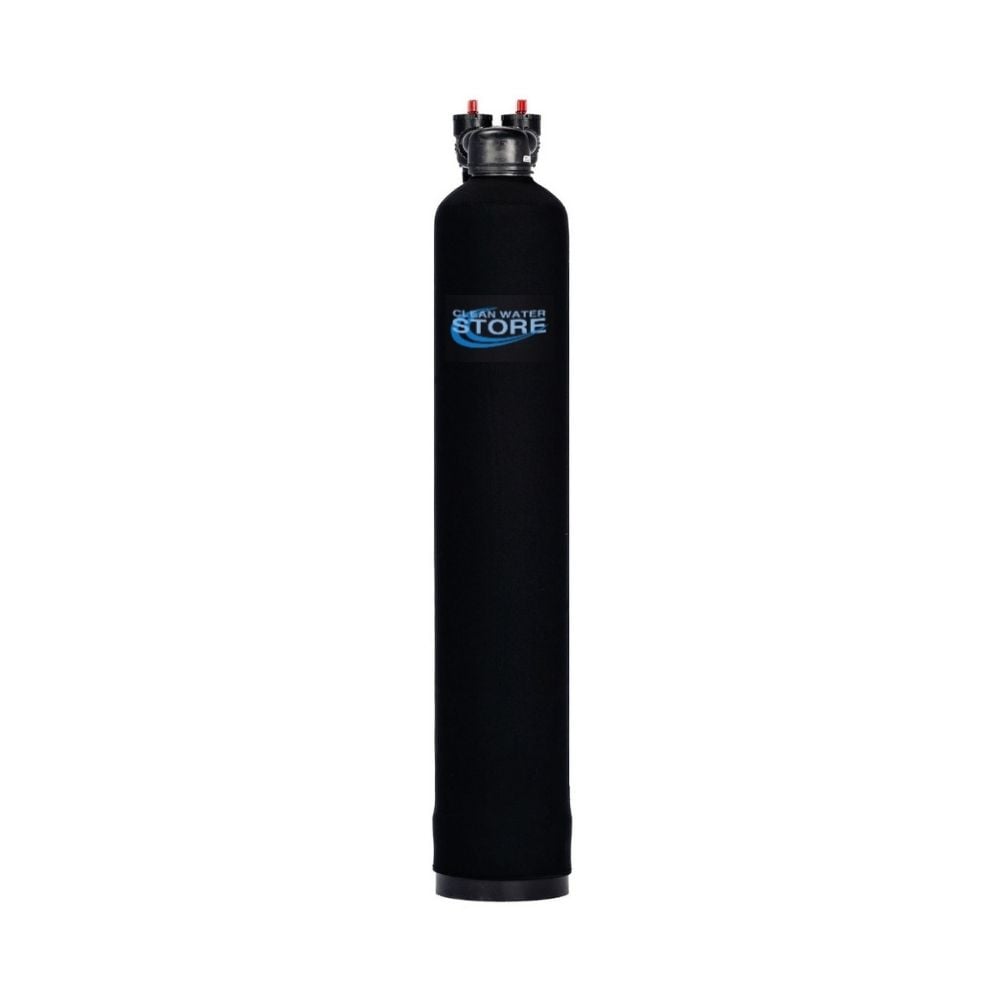
Carbon Upflow
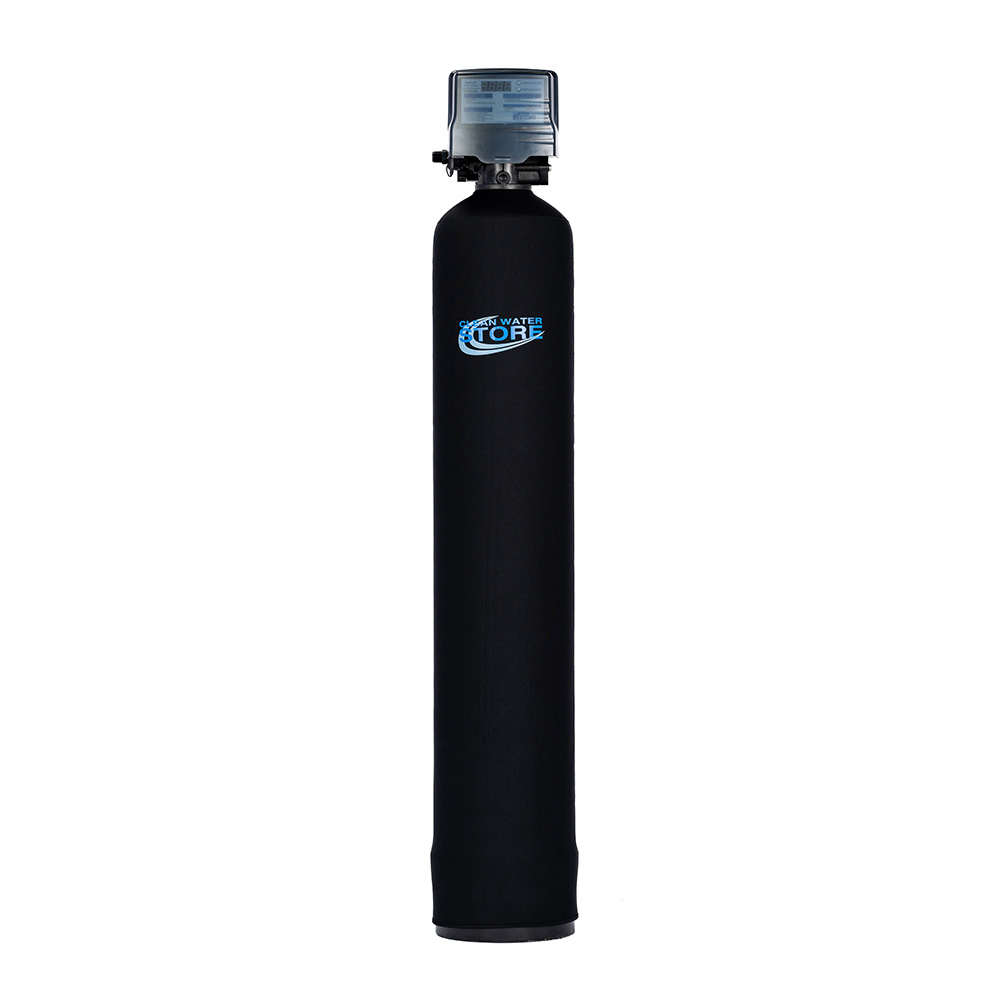
Carbon Backwash
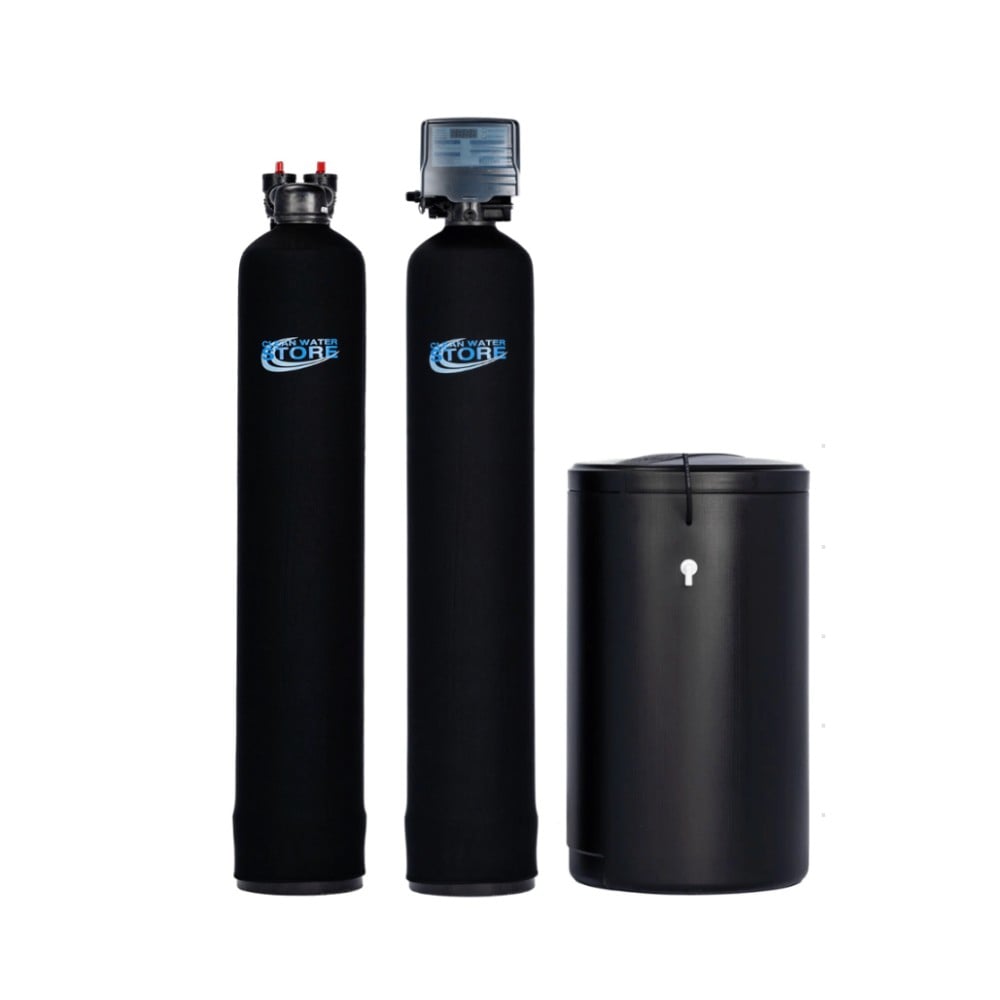
Filtration + Softening Bundles
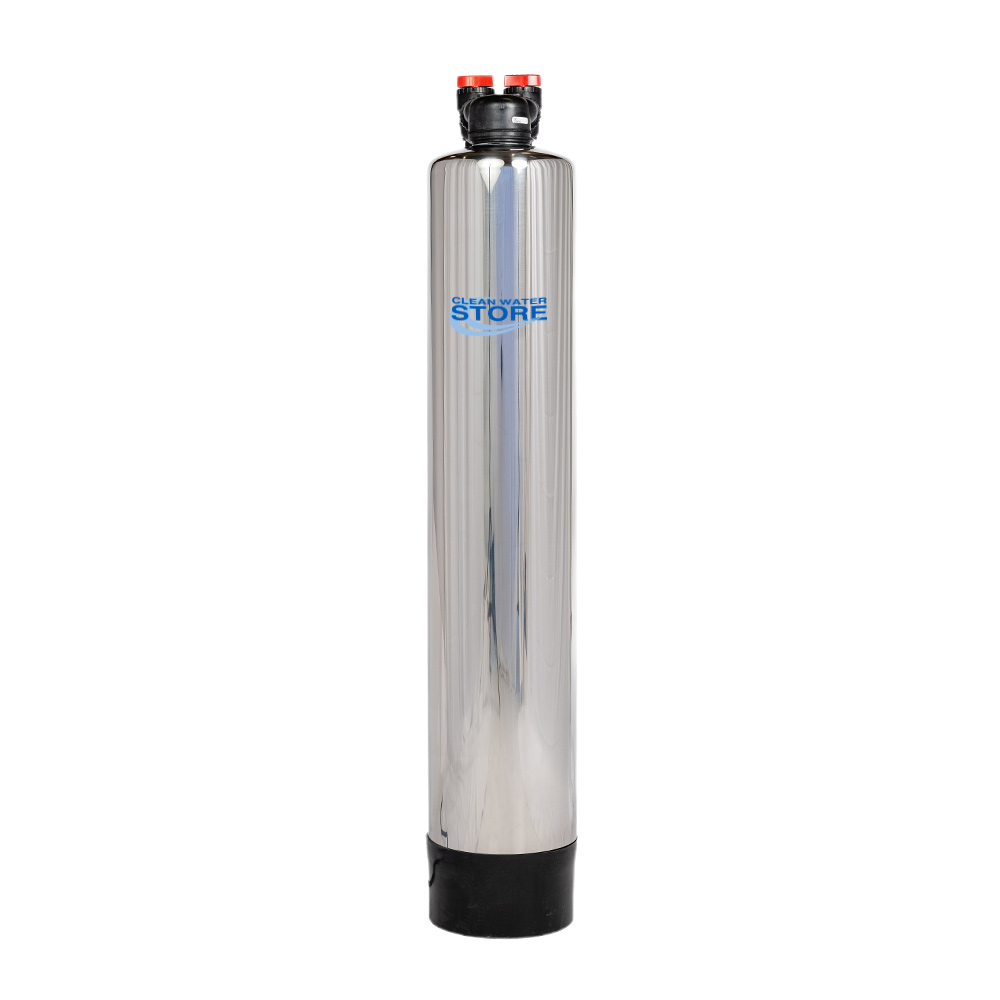
PFAS / Lead Reduction
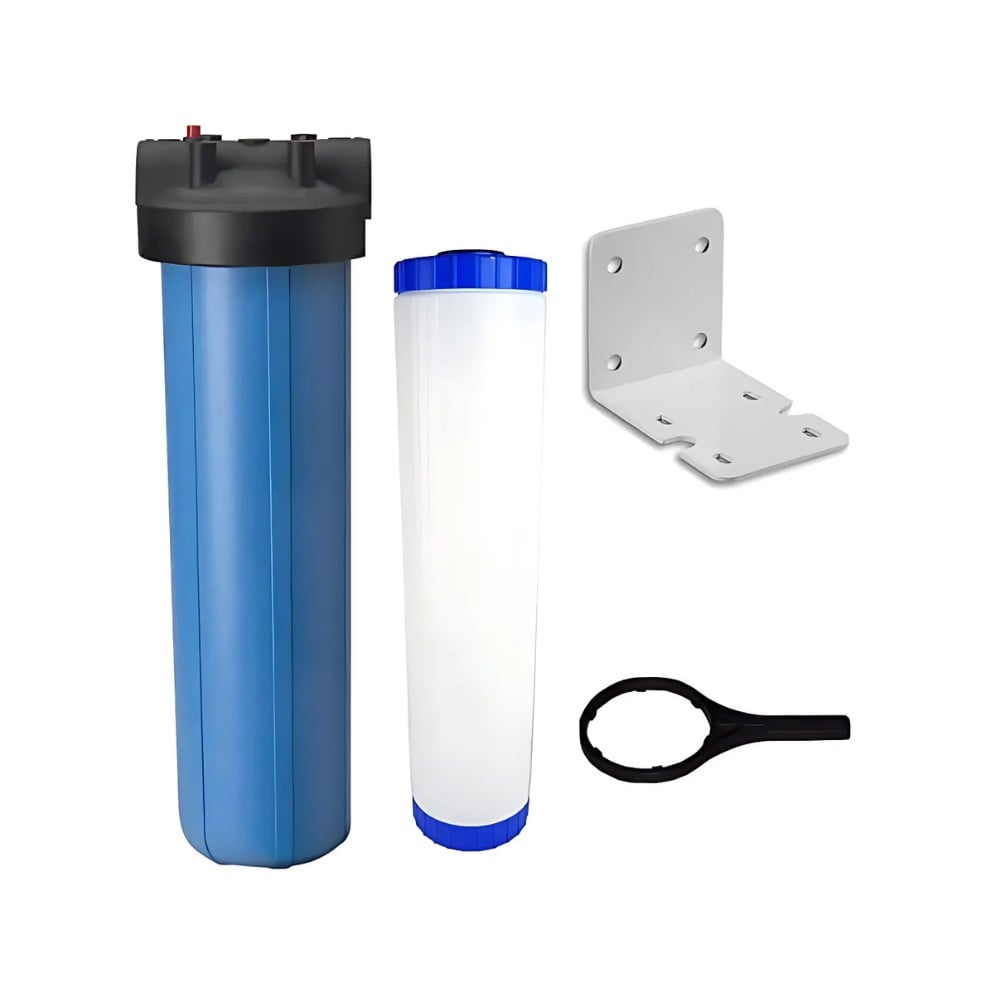
Big Blue Carbon Cartridge Systems
Well Water

Sediment & Spin‑Down
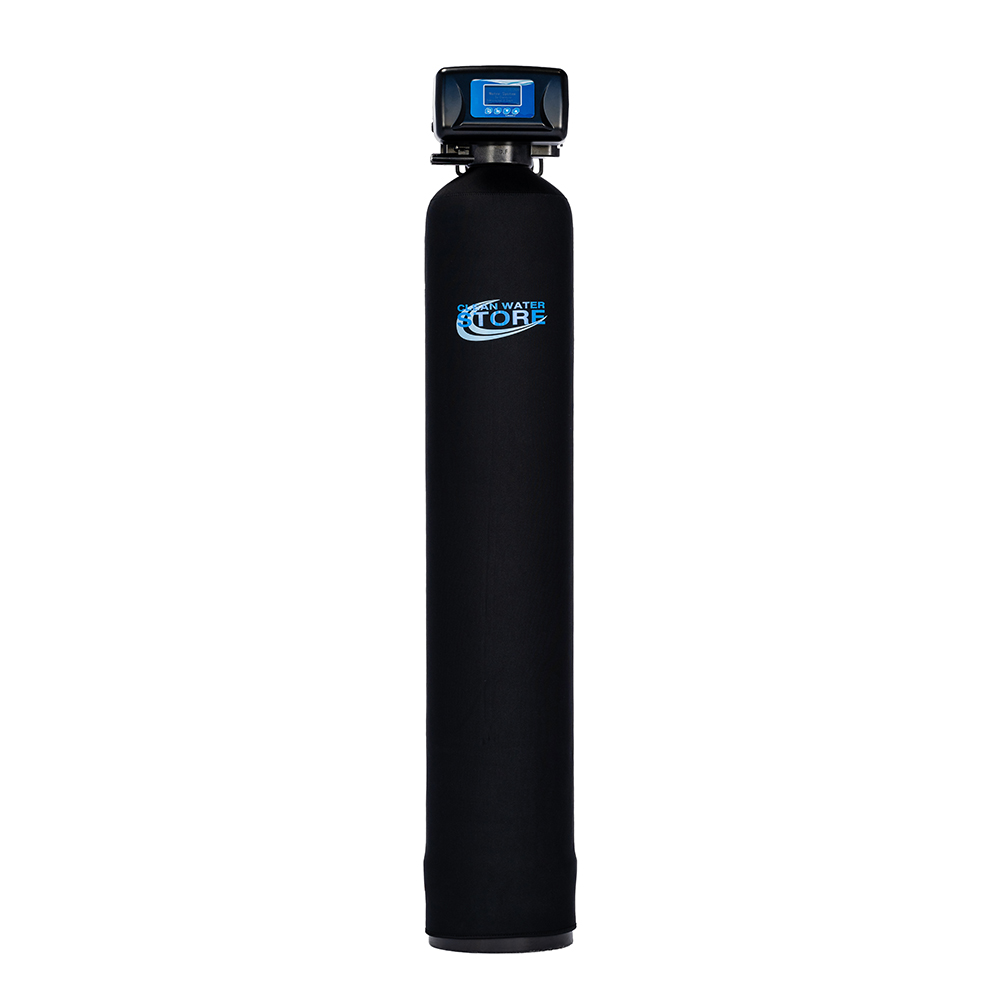
Iron Removal (Pro‑OX)
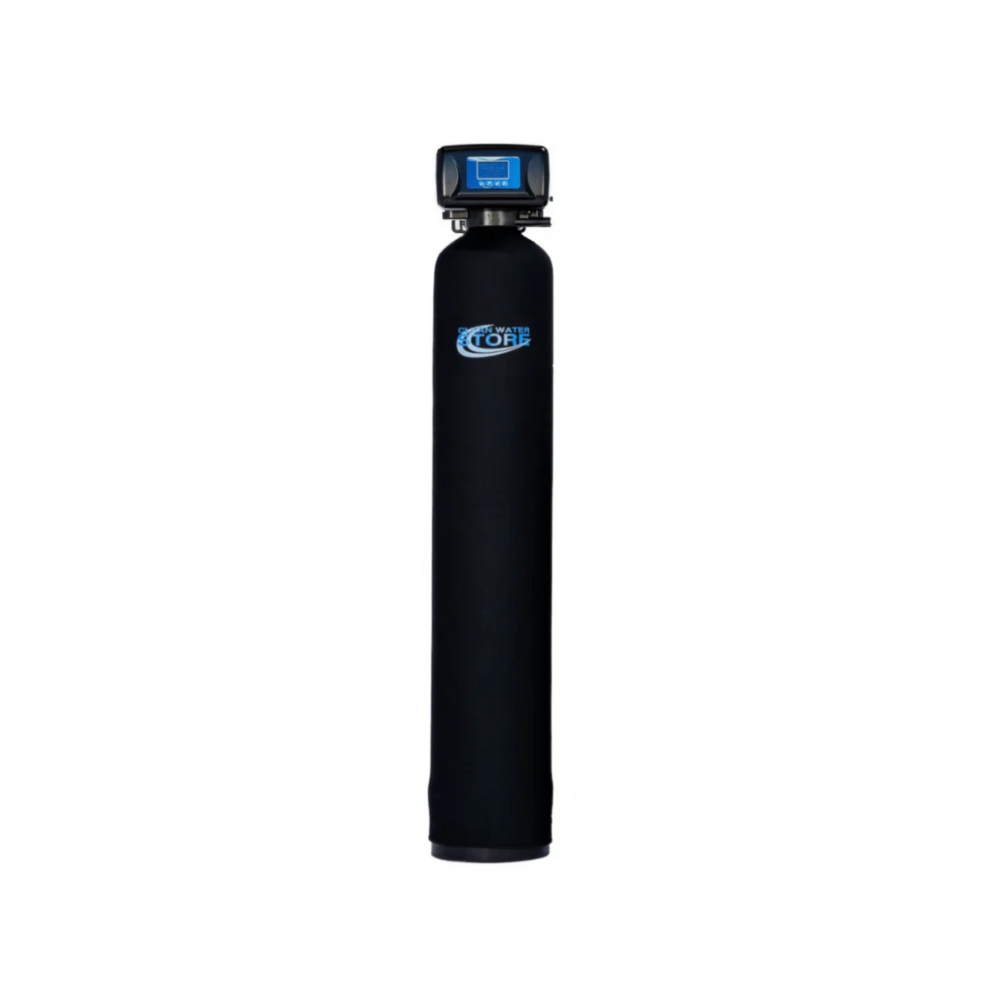
Sulfur / Rotten‑Egg Odor (AIR)
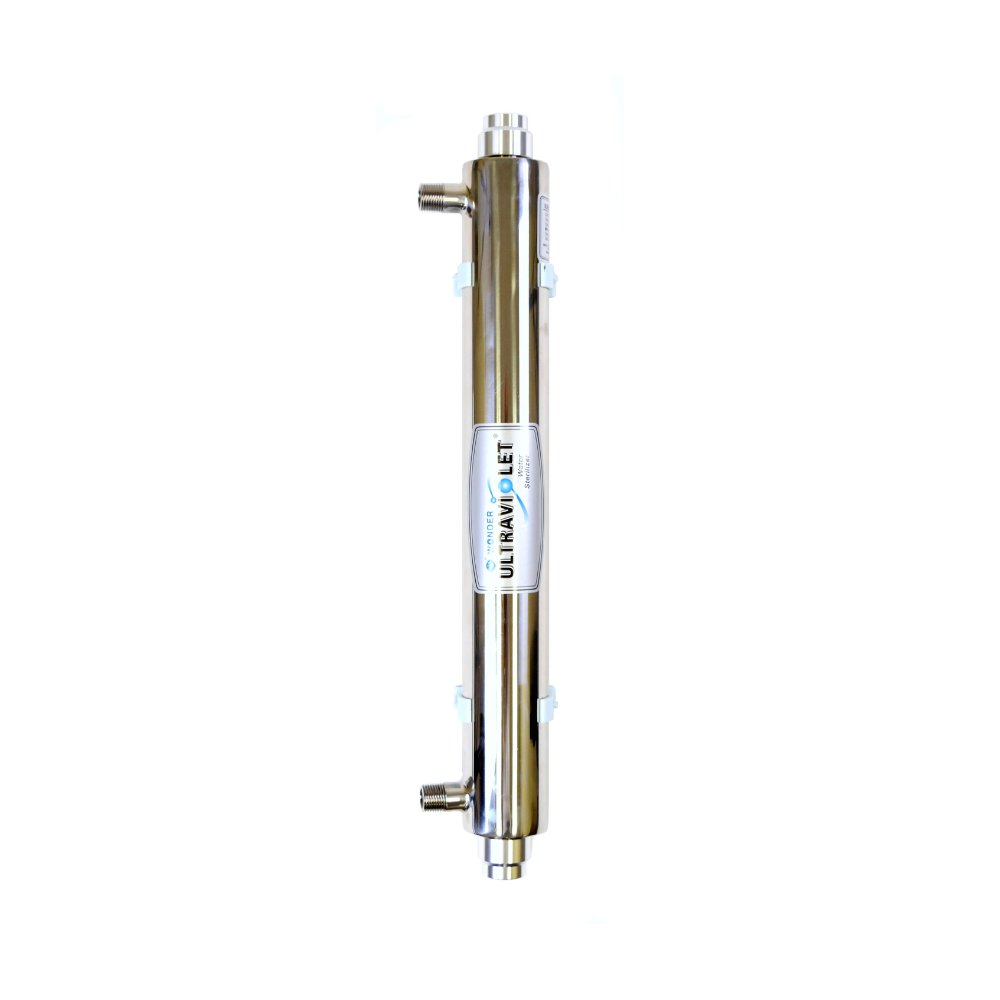
Bacteria (UV)
Big Blue Cartridge Filters by Type
Standard 4.5 x 20 inch housings and cartridges for sediment, carbon, bacteria and spin-down filtration.


How to Choose a Whole House Water Filter
Start with your water, not the filter. City water and well water need different equipment, and the wrong one won't fix the problem. City water is already disinfected, so the usual target is the chlorine or chloramine taste and smell. Well water can be carrying anything: sediment, iron, sulfur, bacteria. Find out what's in it before you pick a system.
City water
- Carbon upflow, from $559. Removes chlorine taste and odor. It needs no electricity and no drain line, so it fits where a backwashing unit won't.
- Carbon backwash, from $1,086. Same job, with a control valve that flushes the carbon bed on a schedule. The better choice if your water also carries sediment.
- PFAS / lead, from $299. Specific contaminants need specific media. Carbon for taste and odor won't reliably remove lead. → Removing lead: whole house vs. point of use
- Filtration + softening bundles, from $2,200. A carbon filter doesn't remove hardness. If you also have scale, you need a softener too, and the carbon goes first so chlorine doesn't wear out the softener resin. → Do I need a filter AND a softener?
Well water
- Sediment and spin-down, from $69. First in line on almost every well. Catches sand and grit before it fouls everything downstream.
- Iron, Pro-OX, from $1,295. Orange staining, metallic taste.
- Sulfur, AIR, from $1,649. Rotten-egg smell. Carbon alone knocks the smell down for a few weeks and then quits; air injection oxidizes it.
- Bacteria, UV, from $219. UV only works on clear water. Iron, hardness or cloudiness shield bacteria from the light, so sediment and iron treatment go in first.
The order matters on a well: sediment, then iron or sulfur treatment, then a softener if you need one, then UV last.
Size it by flow rate
An undersized filter shows up as a pressure drop at the shower. Match the system to your peak flow, not your water bill.
| Bathrooms | Flow rate | Carbon upflow size |
|---|---|---|
| 1–2 | 5–7 GPM | 1.0–1.5 cu ft |
| 2–3 | 10 GPM | 2.0 cu ft |
| 3–6 | 12–16 GPM | 2.5–4.0 cu ft |
What it costs
Equipment runs from $69 for a sediment housing to around $2,000–$3,000 for a well system or a filter-plus-softener bundle. Installed prices and ongoing costs are broken down in How much does a whole-home filtration system cost?
Installing it yourself
Every system here is built for DIY install. If you can cut in a bypass loop on copper or PEX, you can install one. Read the installation checklist before you start; most mistakes happen before the first fitting goes on. Still deciding whether to do it yourself? → DIY vs. contractor
Warranty and returns
Lifetime warranty on 6"–13" mineral tanks, and 5 years on control valves. Residential systems carry a 6-month satisfaction guarantee. Freezing, direct sun and vacuum damage void tank warranties, so plan an indoor or shaded, frost-free spot. → What warranty should come with a system?
Frequently asked questions
Will a whole house filter lower my water pressure?
Not if it's sized to your flow rate (table above). An undersized bed is the usual cause of a pressure drop.
Does a whole house filter soften water?
No. Filters remove chlorine, odor, sediment and specific contaminants. Hardness needs a softener.
Where should the filter be installed?
After the main shutoff on city water, or after the pressure tank on a well, and before the water heater, with a bypass so you can service it without shutting off the house.
Can I install it outside?
Only if it's shaded and won't freeze. Sun and freezing void the tank warranty.
How long does a system last?
It depends on the media and your water. → Lifespan of a whole house system
Which one do I need?
If you're on a well and don't know what's in your water, test first. It's the cheapest step and it decides everything else.
For the full walkthrough, see the 2026 Whole House Water Filter Buyer's Guide.


