While relying on a private well can offer some great advantages – namely, the ability to completely control the quality and composition of your water – most well water users can attest that it comes with its own share of disadvantages as well. Perhaps the biggest trouble with well water stems from the variety of … Continue reading Water Tests
Author: Gerry Bulfin
Well Water Smells? Here’s the 6-Step Fix
Odors in well water, which can affect drinking water quality, are commonly caused by iron and/or sulfur bacteria or compounds of iron, manganese, and sulfates. Hydrogen sulfide gas (“rotten egg odor”) frequently occurs in well water due to decaying organic matter, sulfate activity, and various species of sulfur or iron bacteria. For the full breakdown … Continue reading Well Water Smells? Here’s the 6-Step Fix
How to Eliminate Rotten Egg Smell Without Chlorine
Odors in well water are commonly caused by iron and sulfur bacteria. These bacteria thrive on iron and sulfur and create sludgy, foul-smelling waste byproducts like methane and hydrogen sulfide gas. Iron bacteria are another common cause of odors and slime in well water. Hydrogen sulfide can cause black stains on silverware and plumbing fixtures … Continue reading How to Eliminate Rotten Egg Smell Without Chlorine
Sulfur Smell in Water
One reader recently reached out asking how to remove a persistent sulfur smell and yellow discoloration from their water. A water test revealed that the water was acidic and high in minerals. Unfortunately, there’s no single system that can completely purify this type of water. However, using multiple systems together can effectively treat the sulfur … Continue reading Sulfur Smell in Water
Adding Filter Media to Upflow Neutralizers
Yesterday, we described how to add filter media to a back-washing calcite neutralizer, with or without a top fill plug. Today, we’ll explain how to replace filter media in an acid neutralizer upflow system, with or without a top fill plug. First, let’s look at the differences between upflow and downflow neutralizers. In a standard … Continue reading Adding Filter Media to Upflow Neutralizers
Adding Filter Media to Downflow (Backwashing) Neutralizers
Neutralizers and filtration media are essential components of a water treatment system, working together to provide cleaner water and improve overall water quality. Neutralizers, such as calcite and Corosex, are designed to raise the pH of acidic water, ensuring it falls within a neutral range. This process helps protect your plumbing and appliances from corrosion. … Continue reading Adding Filter Media to Downflow (Backwashing) Neutralizers
UV Light Water Treatment
As you may have noticed, most of our customers write to us with questions about well water. Lately, though, we have been receiving some interesting questions about alternative water sources. Last week, we answered a letter from a reader who wanted to neutralize the acidity of rainwater collected in his cistern. This week, we received … Continue reading UV Light Water Treatment
Neutralizing Rainwater with a Calcite Blend Neutralizer
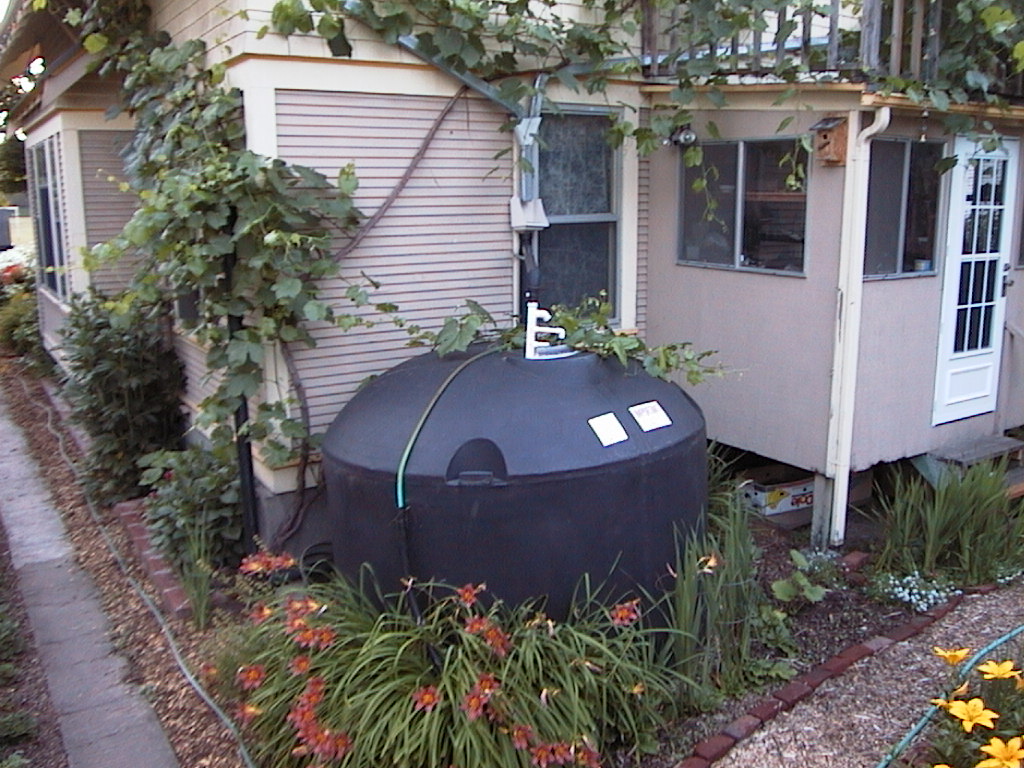
While most of our letters come from users of well and city water, some are from customers who rely on rainwater at home. Rainwater often has a low pH when first collected, which can lead to copper leaching in cistern systems due to its acidity. One rainwater user recently contacted us with this issue, … Continue reading Neutralizing Rainwater with a Calcite Blend Neutralizer
Using Alum and Pro-OX Filter Media to Treat Turbidity
In a previous blog post, we explored how to treat turbidity without using chemical injection. Recently, a reader reached out with a follow-up question: Can alum injection and a Pro-OX iron filter effectively treat water turbidity? The answer is yes, you can certainly treat cloudy water by injecting alum and filtering with a Pro-OX filter. … Continue reading Using Alum and Pro-OX Filter Media to Treat Turbidity
What Are the Potential Problems with Using a Calcite Only Acid Neutralizer?
Yesterday, we talked a little bit about neutralizing water without a calcite neutralizer. However, for best results, we recommend using a standalone calcite neutralizer tank. Today, one customer wrote to us to ask about the potential drawbacks of using a calcite neutralizer, and we wanted to share our answer with readers who might be considering … Continue reading What Are the Potential Problems with Using a Calcite Only Acid Neutralizer?
Request a Call