_2.png)
 Request a Call
How Can I Tell if My Water Well is Affected by the Drought?

Drought conditions can have wide-ranging impacts, including on groundwater supplies. Droughts are complex natural hazards that can severely impact groundwater supplies, leading to significant environmental, economic, and social consequences.
The invisible nature of groundwater leads to an uneasy feeling that the well water supply could dry up without warning during a drought. Rainfall deficits contribute to the risk of wells drying up. If you reside within a region affected by drought, be on the lookout for a change in your well water.
If you experience a dry well condition where the well is actually pumping air, a water shortage could be the cause. Consult with a qualified professional water well contractor to see the water level in the well. The following are some frequently asked questions about the impacts of drought on household water wells.
Knowing the depth of your well and how it works will help you decide what you need to do during a drought.
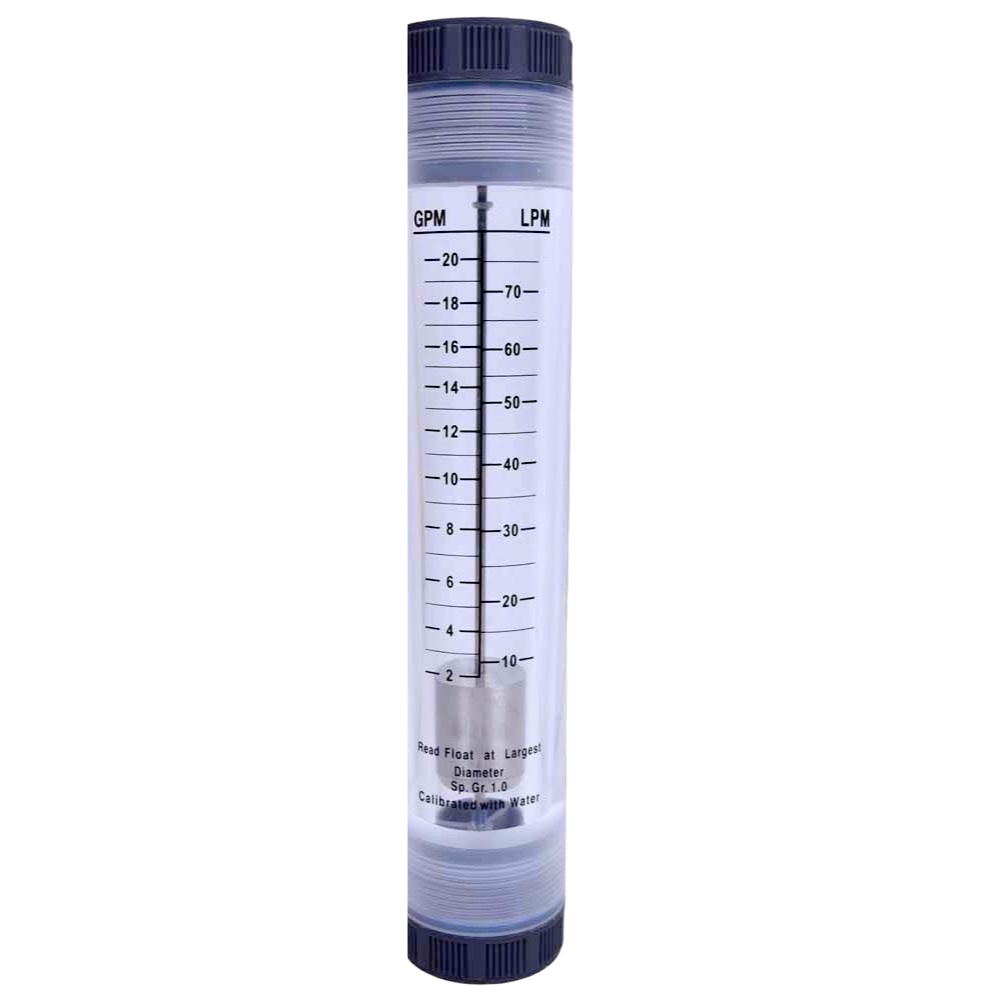
One helpful tool is a flow meter, which allows you to monitor how much water your well is producing. Tracking changes in flow rate over time can reveal early signs of drought-related decline, giving you the insight needed to act before water shortages become critical.
Introduction to Drought
Drought is a complex and multifaceted phenomenon that affects many parts of the world, causing significant impacts on the environment, economy, and society. According to the National Drought Mitigation Center, drought is essentially a moisture deficit relative to the average water availability at a given location and season. This means that the amount of water available is significantly lower than what is typically expected, leading to various challenges. Drought affects different countries in various ways, with some regions experiencing more severe impacts due to their unique climatic and socioeconomic conditions.
Understanding drought involves recognizing its different types. A meteorological drought refers to a lack of precipitation over an extended period, while reduced water levels in rivers, lakes, and reservoirs characterize a hydrological drought. Agricultural drought occurs when soil moisture levels are insufficient for crop growth, impacting the agricultural sector. Socioeconomic drought happens when the demand for water exceeds the supply, affecting economic activities and livelihoods. In countries like India and Australia, drought conditions have led to significant challenges in water management and agricultural productivity.
Drought Classification and Monitoring
Drought classification and monitoring are critical components of effective drought management. The National Oceanic and Atmospheric Administration (NOAA) employs various drought indices, such as the Palmer Drought Severity Index (PDSI) and the Standardized Precipitation Index (SPI), to assess and classify drought conditions. These indices provide valuable insights into the severity and extent of drought, helping decision-makers implement appropriate mitigation and response measures. Regions experiencing below normal precipitation are more likely to face severe drought conditions, impacting soil moisture and water availability.
The U.S. Drought Monitor, a multi-agency partnership between NOAA, the National Drought Mitigation Center, and other organizations, offers a weekly assessment of drought conditions across the United States. This tool is essential for identifying areas experiencing severe drought, moderate drought, and abnormally dry conditions. By providing up-to-date information, the Drought Monitor enables targeted interventions to support affected communities and manage water resources effectively. Conversely, areas with above normal precipitation may see temporary relief from drought conditions, although long-term trends must be monitored.
Impacts of Dry Conditions, Soil Moisture Loss, and Early Warning Systems
Prolonged dry periods can deeply affect the environment, economy, and society. In agriculture, reduced rainfall and low soil moisture may cause crop failures and economic hardship for farmers and rural communities. Hydrological imbalances impact water supplies, leading to shortages in both urban and rural areas. Socioeconomic challenges arise when demand for resources like water exceeds supply due to weather-related deficits. Rising temperatures further worsen these effects by increasing evaporation from soil and plants.
Early warning systems, such as the National Weather Service’s (NWS) Drought Outlook, play a critical role in forecasting conditions. These tools provide key data on temperature trends, precipitation, and other environmental factors, helping decision-makers act quickly to reduce negative outcomes. As higher evaporative demand continues to stress water sources, closely monitoring these indicators becomes essential. With accurate forecasting, communities can conserve resources, safeguard crops, and better manage supplies.
Trends and Patterns in Water Scarcity
Understanding trends in water scarcity is increasingly important, as shifting climate patterns continue to impact ecosystems, economies, and public health. The National Drought Mitigation Center notes that while dry periods are a natural part of climate variability, their frequency and intensity are rising due to climate change. Declining soil moisture in many regions contributes to more frequent water shortages and severe dry spells.
Monitoring tools like the Standardized Precipitation Index (SPI) help track and predict these conditions, enabling early warnings and timely responses. In agriculture, rainfall deficits and low soil moisture can drastically affect crop growth and yields, an issue known as agricultural drought. Indices such as the Palmer Drought Severity Index (PDSI) are used to pinpoint at-risk areas and guide resource planning.
Recognizing these patterns is essential for effective water resource management. With accurate data and forecasting tools, communities can prepare for dry periods more effectively, reducing risks and building long-term resilience.
Water Conservation and Management
Water conservation and management are essential strategies for reducing the impacts of drought. The National Oceanic and Atmospheric Administration (NOAA) and the U.S. Geological Survey (USGS) offer valuable resources on water conservation, including tips on reducing water usage, improving water efficiency, and protecting water quality. Water conservation becomes even more critical during the dry season as water resources are strained.
Implementing water-saving measures during periods of drought is crucial. Simple actions like fixing leaky faucets, using low-flow showerheads, and reducing outdoor water usage can make a significant difference. Additionally, water management strategies such as water storage, water recycling, and desalination can help supplement water supplies during times of drought. Conversely, the wet season provides an opportunity to replenish water supplies and implement water storage strategies. The Department of Agriculture also provides guidance on agricultural water management, including the use of drought-resistant crops and efficient irrigation systems, to help farmers cope with water scarcity.
Support and Resources for Water Scarcity from the National Drought Mitigation Center
Multiple resources are available to assist individuals and communities facing water shortages. The center offers comprehensive guidance on planning, monitoring, and long-term management strategies. The U.S. Department of Agriculture (USDA) supports farmers and ranchers with emergency loans, crop insurance, and other aid programs. Prolonged dry conditions can lead to food insecurity, making community support critical.
The Federal Emergency Management Agency (FEMA) also provides funding and resources for disaster relief and recovery. Agencies like FEMA are essential in addressing the broader impacts of extreme weather and protecting national food supplies. Additionally, the National Oceanic and Atmospheric Administration (NOAA) and the National Weather Service (NWS) supply crucial forecasts and data for monitoring and early response.
By using these tools and services, decision-makers can act early to reduce risks, support vulnerable populations, and improve long-term resilience.
Conclusion
Water scarcity is a complex, multifaceted issue impacting the environment, economy, and public health. Understanding trends and patterns is vital for creating effective mitigation and adaptation strategies. Organizations like the National Oceanic and Atmospheric Administration (NOAA) and the National Drought Mitigation Center play a key role in monitoring and forecasting, offering essential insights for decision-makers.
By using tools such as indices and indicators, we can better assess evolving conditions and take proactive steps to minimize the effects on our communities. Addressing socioeconomic impacts—when demand for a water-dependent resource exceeds supply due to weather-related shortages—is equally important. Collaboration is key to building resilience and fostering a more sustainable future.
It’s also critical to consider effects on air quality, land surfaces, and water sources, as well as the increased risk of dust storms and heat waves. A comprehensive approach to water management will help reduce long-term risks and support a healthier, more prosperous environment.
Frequently Asked Questions (FAQs)
1. Can I measure my well’s water level myself?
Yes, but only if you know the depth of the pump intake. Use caution—improper methods can contaminate your well. If you’re unsure or unfamiliar with wells, consult a professional. In dry regions, well water levels can drop significantly, making it important to monitor water usage.
2. My well pump produces little water. Can I increase output?
Possibly. If the pump was installed well above the bottom, lowering it could help. Contact your original well driller to check feasibility. If rain fell recently, it might temporarily increase well water levels, but long-term solutions should be considered.
3. Can I hook up to rural water if my well runs dry?
Maybe. Rural systems may lack extra capacity for new hookups. Contact your local water provider to find out.
4. Are water haulers regulated? Is hauled water safe?
Not always. Ask haulers for documentation that the water comes from a treated public water supply and confirm their sanitation practices.
5. Can I dump hauled water into my well?
It’s not recommended. You may lose water, stir up sediment, or risk contamination. Use an above-ground storage tank instead.


