_2.png)
 Request a Call
Is Smelly Hot Water Dangerous?

If you are a homeowner with private well water at your residence, you may assume that water directly from the earth will be pure and crystal clear. This isn’t always the case. Often, this “natural” water may smell or taste bad. When investigating smelly water issues, it is important to check both hot and cold water faucets for odors. Learn what to do when smelly hot water becomes a problem in your home.
What Causes a Smelly Hot Water Heater?
Before you go straight to the source of your smelly hot water, check around your house to make sure that nothing inside your home is causing the smell. If you’ve determined without a doubt that your water is the culprit, it may stink due to one of the following reasons.
The hot water line can be a source of odors, particularly if bacteria are growing within it or the water heater.

Gas Water Heater (left) and Electric Water Heater (right) Can Cause Rotten Egg Odors
Hydrogen Sulfide and Rotten Egg Smell
You may be familiar with hydrogen sulfide, a form of sulfur that causes a “rotten egg” smell, but you may have never heard of this sewage-like stink linked to hot water in a home. At the levels found in household water, it is usually more of a nuisance rather than a health hazard. Left untreated, however, it corrodes plumbing, fixtures, and water heater components, and it makes water unpleasant enough to drink, cook, and bathe in that most people won’t put up with it for long.
A smelly hot water problem in hot water systems usually originates from a buildup of sulfur or iron bacteria. These bacteria can thrive in some water heaters and give off hydrogen sulfide gas that smells like rotten eggs.
The water heater tank can create conditions conducive to the production of hydrogen sulfide gas due to the presence of sulfate and bacteria. The anode in the water heater tank helps prevent corrosion while facilitating chemical reactions.
This can happen to your hot water tank for two reasons: The water may have sat unused in the tank for too long, or, in the case of well water, forgoing chlorine treatments can lead to the proliferation of sulfate bacteria.
Identifying the Source of the Smell
Identifying the source of the smell in your water is crucial to determining the best course of action to eliminate it. Here are some steps to help you identify the source of the smell:
- Check the Water Heater: If the smell is coming from the hot water, it could be due to bacteria growing in the water heater. Ensure the water heater temperature is set at a safe level, typically around 120°F to 140°F, to prevent bacterial growth. If the temperature is too low, it can create an environment where sulfur bacteria thrive, producing hydrogen sulfide gas.
- Check the Plumbing System: If the smell is coming from the cold water, it could be due to bacteria growing in the plumbing system. Inspect the pipes and fittings for any signs of corrosion or damage, as these can harbor bacteria. Iron bacteria, in particular, can cause unpleasant odors and should be addressed promptly.
- Check the Water Supply: If the smell is present in both hot and cold water, it could be due to contaminants in the water supply. Contact your local water provider to inquire about any issues with the water supply. They can provide information on water quality and any potential contaminants that might be causing the smell.
By systematically checking these potential sources, you can pinpoint the cause of the smell and take appropriate action to eliminate it.
Water Heater Issues
Water heater issues can cause a range of problems, including smelly water. Here are some common issues that can cause smelly water:
- Bacteria Growth: Bacteria can grow in the water heater, particularly in areas with low water flow. This can cause a range of smells, including a rotten egg smell. Sulfur bacteria are often the culprits, as they produce hydrogen sulfide gas when they break down organic matter in the water.
- Corrosion: Corrosion in the water heater can cause black deposits to form, which can give off a strong smell. These deposits can also affect the efficiency of the water heater and lead to further issues down the line. Regular maintenance and inspection can help prevent corrosion and the associated odors.
- Temperature Issues: If the water heater temperature is set too low, it can create an environment where bacteria can grow, leading to smelly water. Ensuring the water heater temperature is set correctly can help kill sulfur bacteria and prevent the production of hydrogen sulfide gas. Aim for a temperature setting between 120°F and 140°F to balance safety and effectiveness.
How to Fix Smelly Hot Water
If the smell is coming from your water heater, fixing it can be simple. Install an inexpensive screen filter and use hydrogen peroxide.
You can also flush and disinfect the tank with a chlorine bleach solution. Be careful—this method may require help from a professional.
The Water Heater Odor Killer is a heat- and chemical-resistant pre-filter. It helps remove bacteria and odors from the water heater.
To use it, install the filter on the cold water line. Unscrew the bottom sump and add 1 pint of 3% hydrogen peroxide. Turn the water back on and run hot water for a few minutes. Then let the heater sit for 3–4 hours.
Well water can be safe to use daily if properly treated. But many people assume it’s safe without testing or filtration.
The CDC states that well owners are responsible for water safety. Test and treat your water regularly to avoid future problems.
How Do I Fix Smelly, Cold Well Water?
If your cold well water smells bad, you have several good options to completely eliminate this odor:
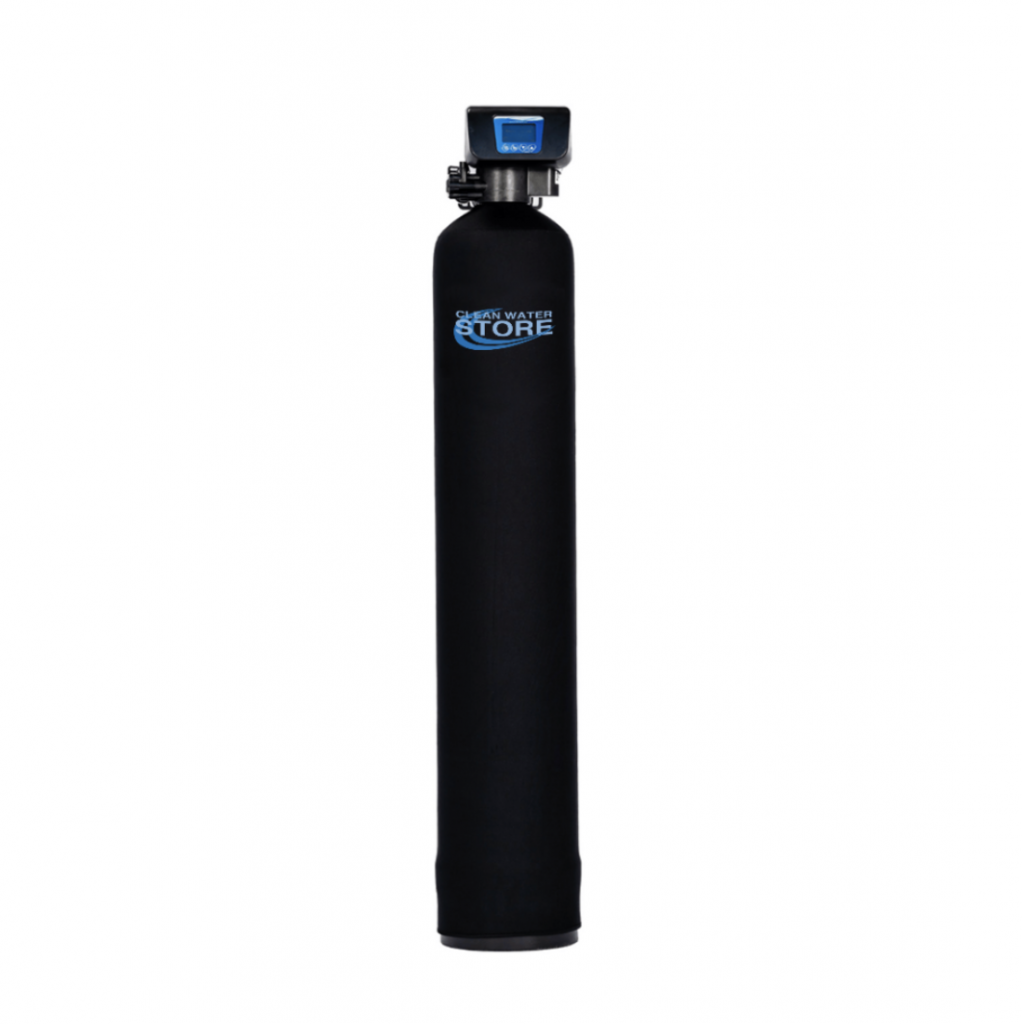
- Install a whole house peroxide injection system
- Install a chlorinator to remove odors and kill the odor-producing bacteria
- Hook up a whole house Sulfur Filter System
Additional Resources
For more information about hydrogen sulfide, sulfur odors, and private well water:
- EPA – Private Drinking Water Wells
- Virginia Tech – Sulfate and Hydrogen Sulfide in Household Water
- Connecticut Department of Public Health – Hydrogen Sulfide and Sulfate in Private Well Water
- Vermont Department of Health – Hydrogen Sulfide in Drinking Water
Frequently Asked Questions (FAQs)
1. What causes smelly hot water?
Smelly hot water is usually caused by bacteria reacting with the anode rod in your water heater, producing a sulfur or rotten egg smell. It can also stem from high levels of sulfur or iron in your water.
2. How do I fix smelly hot water?
You can fix smelly hot water by flushing the water heater and using hydrogen peroxide or a chlorine solution to disinfect it. In some cases, replacing the anode rod helps.
3. How to clean a smelly hot water tank?
Turn off the heater, flush out the tank, and pour in a disinfecting solution like 3% hydrogen peroxide. Let it sit for several hours before rinsing and refilling.
4. How to get rid of smelly hot water?
Install an odor-removing filter, such as the Water Heater Odor Killer, and flush your tank regularly. Treating the source of bacteria is key.
5. Why does my hot water smell like sulfur?
Sulfur smells usually come from hydrogen sulfide gas produced by bacteria inside the water heater tank or from sulfur in well water.
6. How to treat smelly hot water heater?
Install a filter, replace the anode rod with one made of zinc or aluminum, and sanitize the tank with hydrogen peroxide or bleach.
7. How to disinfect a smelly hot water heater?
Drain the tank, then add a cleaning solution such as hydrogen peroxide. Let it sit, then flush and refill the system.
8. How to fix a smelly hot water problem long-term?
Use a powered anode rod, install a filtration system, and regularly disinfect your tank to prevent bacteria buildup.
9. How to clean a smelly hot water heater without chemicals?
Flushing the tank with hot water and replacing the anode rod with a non-sacrificial type can help reduce odors naturally.


