_2.png)
 Request a Call
When To Use a Sediment Backwash Filter To Remove Sediment From Well Water

Article last updated July 2026
What Does a Sediment Backwash Filter Do?
Sediment backwash filters remove sediment from water and automatically flush it out through a backwash cycle. This helps maintain strong water pressure and system efficiency by clearing out trapped particles.
How Fine Can These Filters Go?
These filters can capture particles as small as 5 microns without needing cartridge replacements. Media like nextSand improve filtration by trapping fine dirt, rust, and other contaminants.
A water softener can be paired with a sediment backwash filter to reduce hardness and prevent scale buildup, further improving water quality.
How Does the Filtration and Backwash Process Work?
Compared to traditional filter sand, sediment backwash filters allow higher flow rates with minimal pressure loss. Water passes through the media bed, where impurities are removed before exiting through the control valve. Conducting a water quality test helps ensure proper filter selection and performance.
The automatic control valve backwashes and rinses the media at scheduled intervals, keeping it clean and effective. The filter media lasts for years and is easy to replace. The mineral tank plays a key role in directing water upward during filtration and backwash cycles.
What If My Water Has Larger Sediment or Very Fine Particles?
If your water contains large sediment like grit or flakes, a 60-mesh spin-down filter can be installed before the main filter. For very fine or sub-micron particles, consider adding an ultrafiltration system or a final 0.25–1 micron filter.

How Easy Is Installation?
These systems are quick to install and typically go after the pressure tank. While cartridge filters are widely available, they’re often undersized or use the wrong media, leading to pressure drops and frequent maintenance.
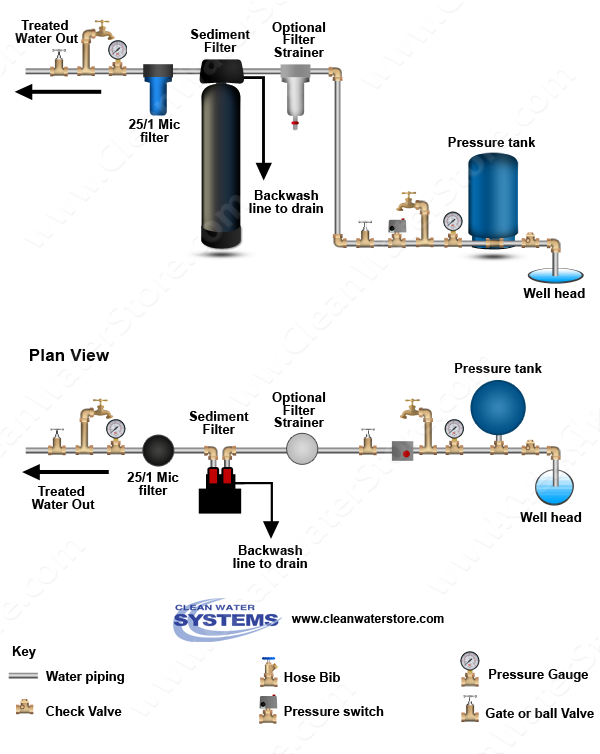
With the correct sediment backwash filter for your water, maintenance is minimal, pressure remains stable, and water stays clean. Features like micro-mineral projections in the media boost filtration efficiency by trapping suspended solids.
After the well pump, proper placement ensures water is filtered before further treatment. Combining a spin-down filter with a whole-house system reduces debris buildup and extends system life. Maintaining strong water pressure is essential for protecting fixtures and ensuring efficient filtration.
Introduction to Filtration Systems
Filtration systems are designed to remove impurities and sediments from water supplies, providing clean and safe drinking water for households and businesses. A key component of these systems is the sediment filter, which captures fine sediment and particulate matter, ensuring enhanced water quality. Sediment filters, such as the spin-down sediment filter, are essential for removing suspended solids and microscopic particles from water, making them a crucial part of any filtration system.
For water supplies with high iron content, an iron filter can be used in conjunction with sediment filters to effectively remove iron and other impurities.
Backwashing filters, such as the backwash filter, are a type of filtration system that utilizes a control valve to reverse the flow of water, thereby cleaning the filter media and removing trapped impurities. The use of filter media, such as granular activated carbon, is also common in filtration systems, as it helps to remove chlorine, heavy metals, and other inorganic compounds from water. By incorporating these elements, filtration systems can effectively improve water quality and ensure a reliable supply of clean water.
Introduction to Sediment Removal
Sediment removal is a crucial step in ensuring the quality of water in both household and commercial settings. A sediment filter system is an effective solution for capturing fine sediment and particulate matter, providing clean water for various uses. Sediment filters, such as the spin-down sediment filter, are designed to trap these impurities, ensuring enhanced water quality.
One popular choice for sediment removal is the backwashing filter. This type of filter allows for easy cleaning and maintenance of the filter media through a backwash cycle. By periodically reversing the flow of water, the backwashing filter flushes out trapped sediments, thereby maintaining the filtration system’s efficiency.
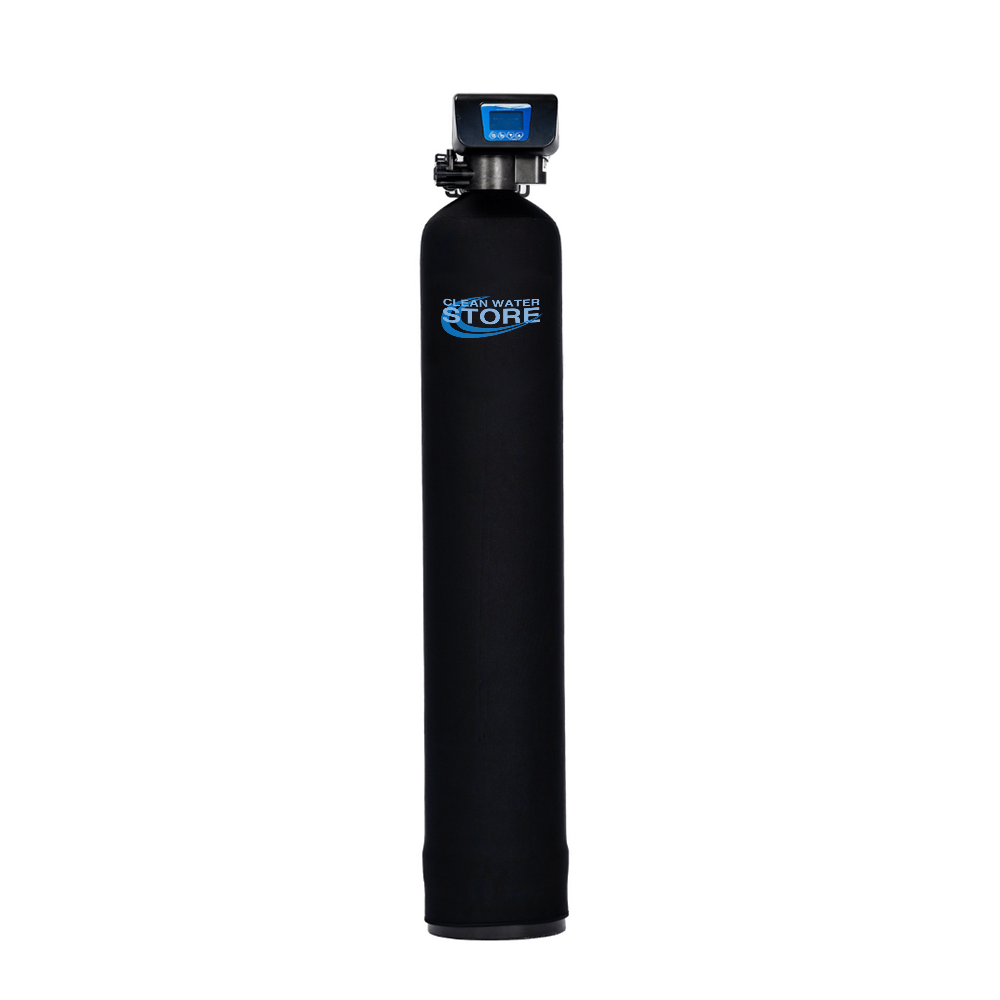
We highly recommend a whole-house sediment filter system for comprehensive protection against sediment and other impurities. This system filters all water entering the property, providing enhanced water quality throughout your home or business. Regular maintenance of the sediment filter, achieved through a simple backwash cycle, is essential to ensure its effectiveness and prolong its lifespan.
Benefits of Using a Backwashing Filter
Backwashing filters offer several benefits, including easy installation, low maintenance, and high efficiency in removing sediments and impurities from water. The backwash function enables the removal of fine sediment and particulate matter, ensuring the filter media remains clean and effective. Activated alumina is another effective filter medium that can be used in backwashing filters to remove fluoride and arsenic from water supplies. These filters are also effective in removing iron, hydrogen sulfide, and other inorganic compounds from water, making them a popular choice for households and businesses.
The use of a backwashing filter can also help to reduce the risk of clogged pipes and appliances, as it removes sediment and particulate matter that can cause blockages. Additionally, backwashing filters can help to improve the taste and odor of water, making it more palatable for drinking and cooking. With these advantages, backwashing filters are a valuable addition to any water filtration system.
Filter Media Options
When it comes to filtration systems, various filter media options are available to suit different needs. Granular activated carbon is a popular choice for both sediment filters and backwash filters, as it effectively removes chlorine, heavy metals, and other inorganic compounds from the water. The choice of filter medium depends on the specific impurities present in the water supply.
Filtering media like coconut shells help remove impurities and improve water quality. To ensure optimal performance, choose media that’s properly sized for your system. Always consider factors like flow rate and water pressure when selecting a filter medium.
Regular replacement of the filter media is necessary to maintain the filtration system’s effectiveness. This can be done through a recurring or deferred purchase, ensuring that the filter media remains in good condition and continues to provide clean water.
How a Backwash Filter Works
A backwash filter works by using a control valve to reverse the flow of water, allowing the filter media to be cleaned and removing trapped impurities. During the backwash cycle, water passes backward through the filter media, lifting and rinsing the media bed, and removing any trapped sediment and particulate matter. This process ensures that the filter media remains effective in trapping impurities.
A timer or pressure differential switch typically triggers the backwash cycle when the filter media needs cleaning. Media like sand or granular activated carbon traps impurities and sediment, allowing clean water to flow through. The backwash filter plays a key role in maintaining media performance and ensuring clean water reaches the home or business.
Backwash Filter Components
A backwash filter consists of several key components that work together to ensure effective sediment removal. The control valve is a vital component of the system, regulating the flow of water and facilitating easy backwashing and maintenance. By reversing the flow of water, the control valve helps to clean the filter media and remove trapped impurities.
The sediment filter is designed to capture fine sediment and particulate matter, providing clean water for various uses. The filter media, such as granular activated carbon, play a vital role in removing impurities from the water, including chlorine, heavy metals, and other inorganic compounds.
Another important component of the backwash filter is the mineral tank. This tank houses the filter media, allowing for easy replacement and maintenance. By ensuring that all components of the backwash filter are functioning properly, the system can effectively remove sediment and provide clean, safe water for the household or business.
When to Use a Sediment Backwash Filter
A sediment backwash filter is ideal for homes and businesses with high levels of sediment in their water. It removes fine particles like sand, silt, and clay, as well as larger debris such as rocks.
These filters are especially helpful in areas near farms or industrial sites, where water may be more prone to contamination.
They are highly effective at reducing turbidity, or water cloudiness caused by suspended particles.
Sediment backwash filters can work as standalone units or be part of a larger water filtration system. They also help protect appliances and plumbing from sediment buildup and wear. Using one helps keep your water clean, clear, and safe.
Flow Rate Considerations
When choosing a sediment backwash filter, always consider your system’s flow rate, measured in gallons per minute. This affects the filter size and the type of media needed. Higher flow rates need larger filters; lower flow rates need smaller ones.
You should also account for the pressure drop across the filter, which can impact system performance. Sizing the filter correctly based on flow rate and pressure ensures efficient filtration and consistent water quality.