While relying on a private well can offer some great advantages – namely, the ability to completely control the quality and composition of your water – most well water users can attest that it comes with its own share of disadvantages as well. Perhaps the biggest trouble with well water stems from the variety of … Continue reading Water Tests
Category: Bacteria
Well Water Smells? Here’s the 6-Step Fix
Odors in well water, which can affect drinking water quality, are commonly caused by iron and/or sulfur bacteria or compounds of iron, manganese, and sulfates. Hydrogen sulfide gas (“rotten egg odor”) frequently occurs in well water due to decaying organic matter, sulfate activity, and various species of sulfur or iron bacteria. For the full breakdown … Continue reading Well Water Smells? Here’s the 6-Step Fix
How to Eliminate Rotten Egg Smell Without Chlorine
Odors in well water are commonly caused by iron and sulfur bacteria. These bacteria thrive on iron and sulfur and create sludgy, foul-smelling waste byproducts like methane and hydrogen sulfide gas. Iron bacteria are another common cause of odors and slime in well water. Hydrogen sulfide can cause black stains on silverware and plumbing fixtures … Continue reading How to Eliminate Rotten Egg Smell Without Chlorine
UV Light Water Treatment
As you may have noticed, most of our customers write to us with questions about well water. Lately, though, we have been receiving some interesting questions about alternative water sources. Last week, we answered a letter from a reader who wanted to neutralize the acidity of rainwater collected in his cistern. This week, we received … Continue reading UV Light Water Treatment
Treating Iron, Manganese, and Coliform Bacteria in Well Water
Have you ever noticed metallic smells in your water? Buildup on faucets and fixtures? Or worse—felt sick after drinking your tap water? We hope the answer to all three is “no.” But if not, your water may be contaminated with iron, manganese, or, even more concerning, iron or coliform bacteria. Iron bacteria thrive in oxygen-deprived … Continue reading Treating Iron, Manganese, and Coliform Bacteria in Well Water
Removing Hydrogen Sulfide with a Chlorination System
One reader recently wrote to us wondering why the foul sulfur odor in his water seemed to disappear after shock chlorination, only to reappear about a week later. This is a common question with a rather simple answer: Foul odors in water tend to be caused by iron and sulfur bacteria, which expel foul-smelling hydrogen … Continue reading Removing Hydrogen Sulfide with a Chlorination System
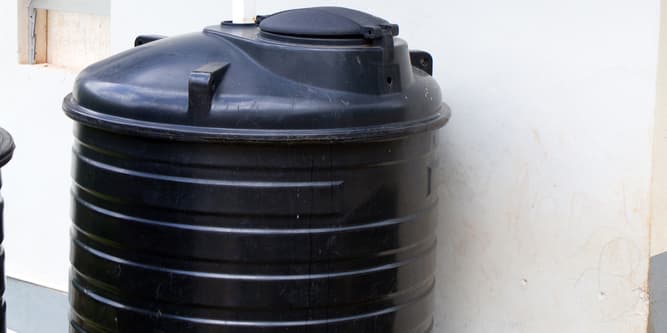
How Much Chlorine Should Be Added to a Storage Tank to Kill Bacteria?
Chlorine is one of the most effective and affordable disinfectants for well water systems. Homeowners and municipalities rely on it not only to purify water but also to sanitize surfaces, pipes, and storage tanks. But how much chlorine do you really need—and how much is too much? Step 1: Clean the Tank First Before adding … Continue reading How Much Chlorine Should Be Added to a Storage Tank to Kill Bacteria?
What to Do When Your Well is Covered by Flood Water
With the recent flooding, we are getting a lot of inquiries about what to do when your well floods. Here is a recent question: “We were flooded, so I had my drinking water tested just in case the well was contaminated. It came out that I need to chlorinate my well due to coliform bacteria. … Continue reading What to Do When Your Well is Covered by Flood Water
Pool Water Treatment
The Centers for Disease Control and Prevention (CDC) conducted a nationwide study on public pool hygiene and uncovered a serious concern: many public pools contain fecal contamination introduced by swimmers themselves. As part of the investigation, researchers collected water samples from public pool filters during the swimming season and analyzed them for microbial presence. The … Continue reading Pool Water Treatment
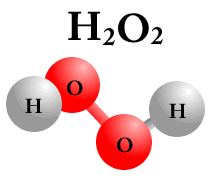
Switching to Hydrogen Peroxide in water
We often receive a question like this: “I have a liquid chlorine bleach well water chlorinator. I want to switch to injecting hydrogen peroxide instead. Can I just clean out my existing chlorine metering pump, and switch to peroxide?” Switching to hydrogen peroxide using the same metering pump This is a very good question, and … Continue reading Switching to Hydrogen Peroxide in water
Request a Call