_2.png)
 Request a Call
How Much Does a Whole-Home Water Filtration System Cost?
If you’re looking into a whole-house water filtration system, you’ve probably seen prices that range from a few hundred dollars to over $10,000, and wondered, “What gives? Why do costs vary so much from one system to another?”
At Clean Water Store, we’ve helped thousands of homeowners across the U.S. install and maintain whole-home filtration systems designed for both city and well water. We’ve seen how pricing can shift from year to year and understand what’s really behind those cost differences.

Although we sell and install filtration systems, this guide isn’t intended to promote any particular brand or product. It’s about helping you understand what affects the whole house water filter installation cost, so you can make an informed decision that fits your home, budget, and water quality needs.
In this article, we’ll cover why prices have increased in 2025, how system type and size affect cost, what to expect for installation and maintenance, and how to find a reliable system that meets your needs without overpaying.
Did Whole-House Water Filtration Prices Rise in 2025?
If you’ve been comparing systems recently, you may have noticed that prices are higher than they were a year or two ago. There are a few key reasons for that.
Many water filtration systems use parts that come from outside the United States, even when the final product is assembled here. With tariffs and material shortages still affecting global supply chains, the cost of key components, like stainless steel tanks, electronic control valves, and filtration media, has gone up. These added costs eventually reach homeowners in the form of higher prices for new systems and replacement parts.

At the same time, rising fuel and labor costs have made it more expensive to ship and install these systems. Everything from transporting materials to paying skilled plumbers now costs more than it did last year.
In short, nearly every part of the process—from manufacturing to delivery to installation—has become more expensive, which is why homeowners have seen higher prices in 2025 and likely into 2026.
How Your Home and Water Conditions Affect the Cost of a Whole-House System
How Home Size and Water Usage Impact System Cost
One of the biggest cost factors is how much water your home uses. Larger homes or families that use a lot of water need a bigger system that can keep up with that demand. Flow rate, measured in gallons per minute (GPM), refers to how much water can move through your plumbing at once.

For example, a small home with one or two bathrooms might only need a system that handles 10 GPM, while a larger home with three or more bathrooms could need 15 GPM or higher to maintain good pressure when multiple taps are running. Bigger systems require more filtration media, larger tanks, and stronger valves, which naturally increase both the equipment and installation costs.
How the Type of Water Contaminants Affects Price
The type of contaminants in your water has a major impact on cost. A simple carbon filter designed to remove chlorine, sediment, or unpleasant taste is generally more affordable.
However, water that contains iron, manganese, arsenic, or PFAS (“forever chemicals”) requires more specialized filtration media, or even reverse osmosis systems, to remove those pollutants effectively. These systems are more complex and take more time to install, which raises the overall price.
How System Features Affect the Cost of a Whole-House Water Filter
Finally, the type of system controls and maintenance features you choose also affects cost. Systems with automatic backwash valves or digital controllers offer greater convenience, as they clean themselves and allow for easy performance monitoring. Although they cost more upfront, they can save time and maintenance effort later.
Simpler manual systems usually have a lower initial price, but they require more hands-on upkeep. Deciding between the two often comes down to your budget, how much maintenance you want to handle yourself, and how automated you want your system to be.
How Much Does a Whole-House Water Filter Cost?
The price of a whole-house water filtration system depends on your home, your water, and what you need it to do. For many city homes that just need to remove chlorine, sediment, or an odd taste, a basic system usually costs between $850 and $1,400, including installation.
If your water has a few more issues, like a mix of minerals, odors, or discoloration, you may need a mid-range system. These typically fall in the $1,800 to $2,900 range once installed and are designed to handle multiple contaminants at once.
Homes with well water or more serious water problems often require a more advanced setup. These systems might combine several filters or include a built-in softener to remove minerals and metals. Prices for these high-end systems can range anywhere from $4,500 up to $15,000 or more, depending on your home’s size and your specific water quality.

On top of equipment costs, most homeowners pay about $1,000 to $1,200 for professional installation, which typically includes around eight hours of labor from a licensed plumber. More complicated installations—such as placing the system in a tight crawl space or rerouting plumbing—can cost a bit more.
To make sure you’re getting a fair deal, always ask for an itemized quote that lists equipment and installation costs separately. This makes it easier to compare estimates and ensures you know exactly what you’re paying for before work begins.
Are There Affordable Systems That Still Work Well?
Yes, some systems balance performance and price. Newer filtration designs have made it easier to keep costs down without sacrificing water quality. Some systems use manual controls or non-electric setups, which means they don’t need power connections or automatic valves. These simpler designs are especially good for city homes where water pressure is steady and automatic cleaning cycles aren’t always necessary.
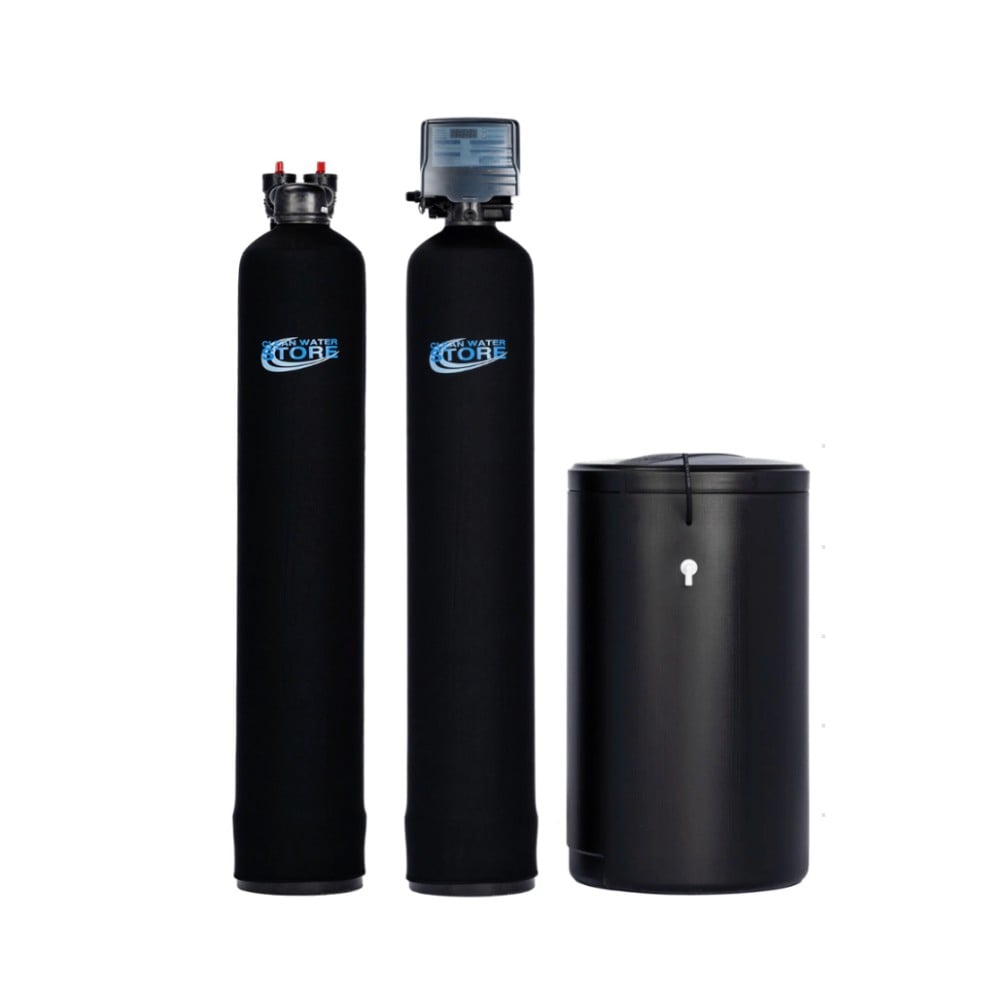
That said, the type of filter you choose affects long-term costs. Cartridge filters are usually the most affordable upfront, but they need to be replaced often—sometimes every few months. Media-based systems, which use larger tanks filled with filtering material, cost more at first but last much longer. Over time, they often end up being the better value because you won’t have to replace filters as frequently.
What Ongoing Costs Should You Expect?
Like any appliance, a whole-house water system needs a little upkeep to keep working its best. Most systems require routine maintenance, such as replacing filters or renewing the filtering media inside the tank. Depending on your setup, you can expect to spend anywhere from $40 to $300 per year on replacement parts like filters, pistons, seals, or control valves.

If your system uses chemicals for disinfection, such as hydrogen peroxide or chlorine, you’ll also need to refill those regularly. These costs are typically small per refill but add up over time.
As a general rule, most homeowners spend a few hundred dollars each year maintaining their system. The exact amount depends on how much water your household uses, the type of system you have, and the quality of your water. Keeping up with these small, routine tasks helps your system last longer and perform better.
How to Compare Quotes from Different Companies
Key Questions to Ask
Before you buy, ask each installer:
- What’s included in the system vs. installation?
- How often will I need to replace filters or media?
- What’s the warranty and satisfaction guarantee?
- How long does shipping and installation take?
Getting a clear cost breakdown ensures you’re comparing the same level of product and service. Two quotes that look very different on paper might actually offer the same system and quality once you separate the details.
Finding the Right Balance Between Cost and Clean Water
So, how much does a whole-home water filtration system cost? Most homeowners spend between $1,000 and $4,000 for a full installation, but prices can climb to $15,000 or more for advanced commercial use or large properties.
The goal isn’t simply to choose the cheapest system—it’s to invest in water quality that safeguards your health, protects your plumbing, and preserves the value of your home or business.
Before choosing a system, test your water and get a few detailed quotes. Knowing what’s in your water and what each system removes helps ensure you’re making the right investment.
At Clean Water Store, we’ve helped thousands of homeowners get clean, safe, great-tasting water without wasting money on unnecessary upgrades. If you’d like help understanding your options or to compare quotes, we’re here to help you every step of the way.


