_2.png)
 Request a Call
Do I Need a Whole House Filter AND a Water Softener for City Water?
If you’re on city water and researching whole house treatment, you’ll quickly run into two different products — water filters and water softeners — and a lot of conflicting advice about whether you need one, the other, or both. The honest answer: it depends on your water. This guide breaks down exactly what each system does, when you need both, and how to figure out what’s right for your home without spending money on equipment you don’t need.

What’s the Difference Between a Water Filter and a Water Softener?
These two systems solve different problems. Understanding the distinction is the first step to making the right choice.
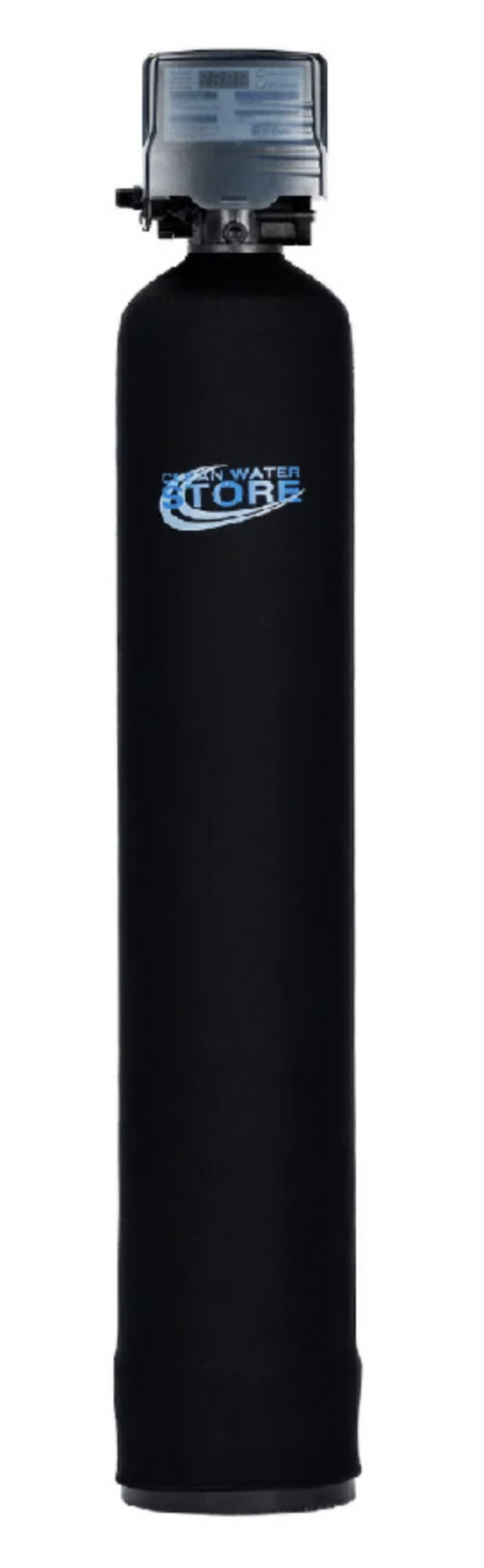
A whole house water filter removes chemical contaminants — chlorine, chloramines, disinfection byproducts (DBPs), VOCs, sediment, and in some cases heavy metals or PFAS. For city water, a catalytic carbon backwash filter is the most common and effective option. It improves taste and odor, reduces chemicals that irritate skin and hair, and protects your appliances from chemical damage.
A water softener removes hardness minerals — calcium and magnesium — through ion exchange. It does not remove chemical contaminants. Hard water causes scale buildup in pipes, water heaters, and appliances; leaves spots on dishes and glass; makes soap less effective; and contributes to dry skin and dull hair. A softener solves all of those problems — but does nothing for chlorine, chloramines, or chemical contamination.
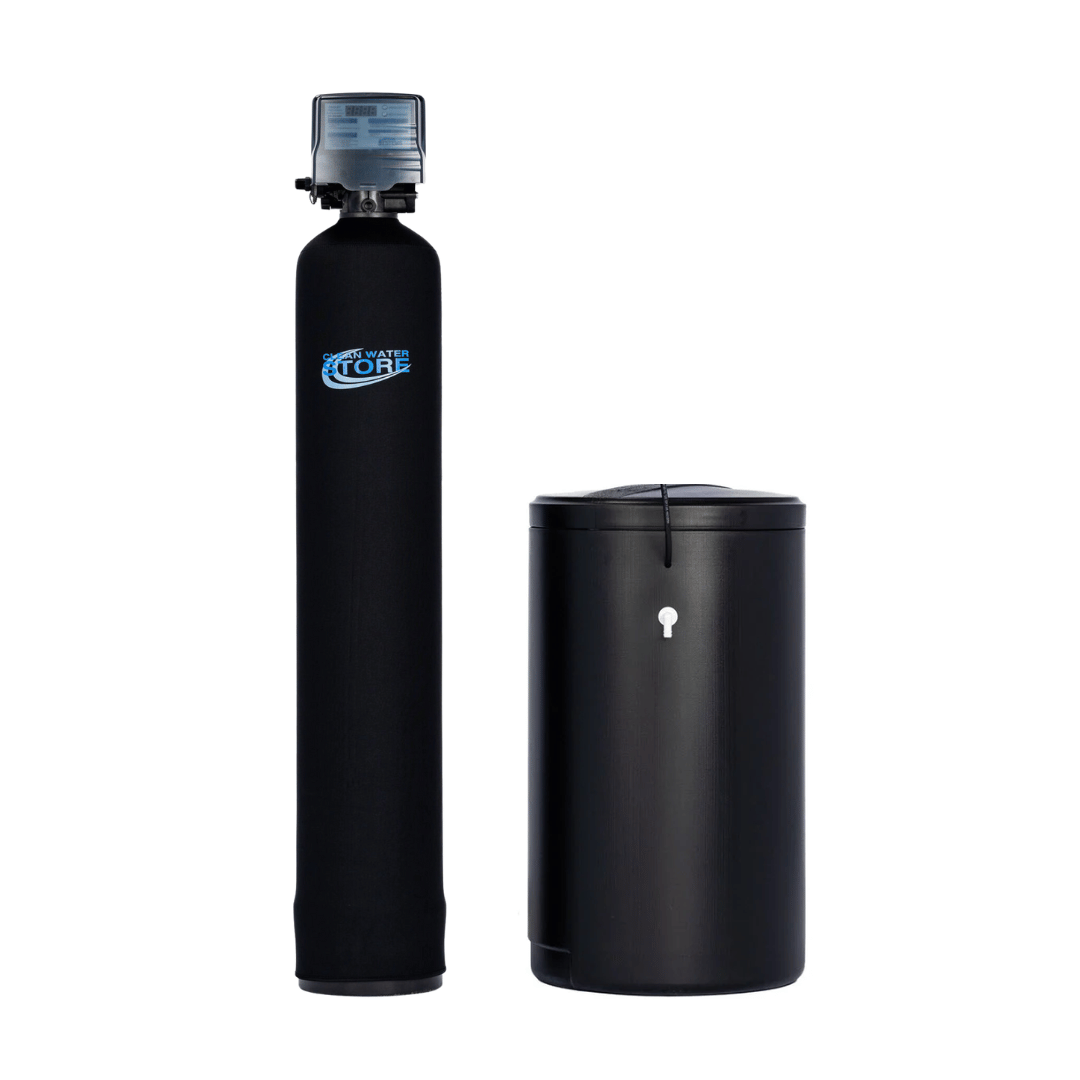
The bottom line: a water filter makes your water cleaner. A water softener makes your water softer. They are not interchangeable.
Q: Does a water softener filter out chlorine or chemicals?
No. A standard salt-based water softener uses ion exchange to swap hardness minerals for sodium. It is not designed to remove chlorine, chloramines, VOCs, DBPs, or any other chemical contaminant. If your city water has chemical concerns — and most city water does — you need a separate filtration system. In fact, chlorine in city water can damage softener resin beads over time, which is why a carbon filter installed before the softener is recommended for most city water applications.
What Does City Water Actually Contain?
Most city water in the US is treated with chlorine or chloramines for disinfection, and while it meets federal safety standards, it can still contain:
-
- Chlorine or chloramines — used for disinfection; can cause taste and odor issues, skin irritation, and dry hair
- Disinfection byproducts (DBPs) — formed when chlorine reacts with organic matter; linked to health concerns at high exposure levels
- Lead — from aging service lines and household plumbing, not the treatment plant itself
- Sediment — from aging distribution infrastructure
- PFAS (forever chemicals) — increasingly detected in municipal supplies nationwide
- Hardness minerals — calcium and magnesium, which vary widely by region
Your city is required to publish an annual Consumer Confidence Report (CCR) — a full breakdown of what was detected in your water and at what levels. You can find yours at EPA.gov/ccr. Reading your CCR before buying any treatment system is the most important first step — and it’s free.
Q: How do I know if my city water is hard?
Your CCR report often lists hardness. You can also look for signs: white chalky buildup on faucets and showerheads, spots on dishes, or a filmy residue on glass and shower doors. Water is generally considered hard above 7 grains per gallon (gpg) or 120 mg/L. Very hard water — above 15 gpg — causes noticeable scaling and appliance wear. Here’s how to read and understand your local water quality report.
Do I Need Both a Filter and a Softener for City Water?
For many city water homeowners, the answer is yes — but not always. Here’s how to think through it:
You likely need only a water filter if:
-
- Your water hardness is below 7 gpg (moderately soft)
- Your main concerns are taste, odor, chlorine, or chemical contaminants
- You have no significant scaling on fixtures or appliances
You likely need only a water softener if:
-
- Your water is very hard (above 12 gpg) and that’s your only concern
- Your city water has very low chemical contamination (rare)
- Scale buildup on appliances and plumbing is your primary problem
You likely need both if:
-
- Your water is hard AND has chlorine, chloramines, or chemical concerns — which is true for most US cities
- You’re seeing scale buildup AND have taste/odor issues
- Your CCR shows contaminants AND your water test shows hardness above 10–12 gpg
According to the USGS, approximately 85% of US homes have hard water. And virtually all city water contains chlorine or chloramines. For most city water homeowners, a carbon backwash filter followed by a water softener is the most comprehensive solution.
Q: Can I install just one system and skip the other?
You can — but be aware of the tradeoffs. A softener alone won’t improve taste or remove chlorine, and chlorine in city water can degrade softener resin over time. A filter alone won’t address scale buildup, spotted dishes, or appliance wear from hard water minerals. If budget is a concern, start with a water test to identify your biggest problem, then prioritize accordingly.
What Order Should a Filter and Softener Be Installed?
If you install both, the carbon filter must go before the softener — not after. Here’s why:
-
- Chlorine in city water degrades softener resin beads, reducing their ion exchange capacity and shortening their life
- Removing chlorine first protects the resin and extends the softener’s lifespan significantly
- Sediment filtered out upstream also protects the softener from fouling
The correct sequence for city water whole house treatment:
-
- Sediment pre-filter (if needed) — catches coarse particles before they reach the carbon filter
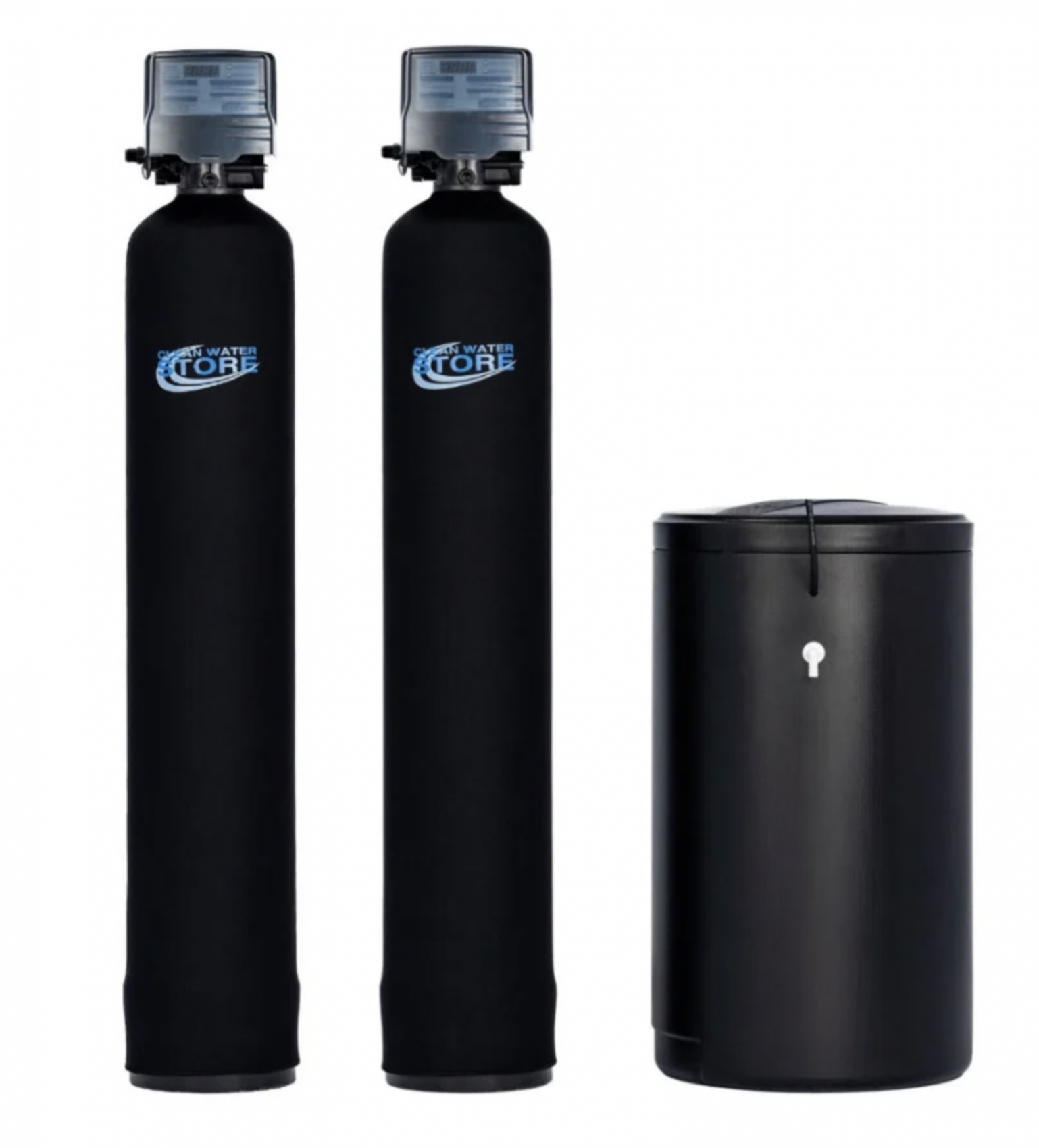
- Catalytic carbon backwash filter — removes chlorine, chloramines, VOCs, DBPs, taste and odor
- Water softener — removes hardness minerals, protected from chlorine damage by the upstream filter
- Under-sink RO system (optional) — for the highest quality drinking water at a dedicated tap
For more detail on this setup, see our guide: How to Install a Carbon Backwash Filter and a Water Softener in Series.
Q: What is a salt-free softener and is it a good option for city water?
Salt-free water conditioners (also called TAC or template-assisted crystallization systems) don’t remove hardness minerals — they change the structure of the minerals so they don’t form scale deposits. This means no salt, no backwash waste water, and no added sodium in your water. They’re a good option for moderate hardness (up to about 12 gpg) and city water where you want to avoid salt. They do not fully soften water the way a traditional ion-exchange softener does, so results for very hard water or soap performance may differ. We cover this in depth in our salt vs salt-free softener comparison guide.
What About a Whole House Filter and Softener Combo System?
Some manufacturers sell integrated combo units that combine carbon filtration and water softening in a single tank. These can be a space-saving option for smaller utility rooms, but the tradeoff is less flexibility to optimize each stage independently — a separate carbon filter and softener generally outperform a combined unit at equivalent price points, and are easier to service.
Media choice matters too. KDF does a decent job on chlorine and some heavy metals, but it cannot remove chloramines, disinfection byproducts, or organic contaminants — which are the primary concerns for most city water homeowners today. Catalytic carbon goes further by chemically decomposing chloramines and hydrogen sulfide at rates standard carbon simply cannot achieve, making it the right choice for a dedicated whole house backwash filter on city water.
For most city water homeowners, we recommend a catalytic carbon backwash filter paired with a properly sized salt-based or salt-free softener installed in series. This gives you the best performance, the longest equipment life, and the most flexibility.
Shop our City Water Whole House Bundles.
Q: Does softened city water need to be filtered for drinking?
Softened water is generally safe to drink. The sodium added by ion exchange is minimal for most people. However, those on low-sodium diets may prefer an under-sink reverse osmosis system for drinking water — RO removes essentially everything including sodium, chlorine, lead, nitrates, and many PFAS compounds, delivering highly purified water at the kitchen tap without treating the whole house. This is often the most cost-effective overall approach: whole-house carbon filtration + softening for bathing and appliances, plus an under-sink RO for drinking and cooking.

What Should I Do First?
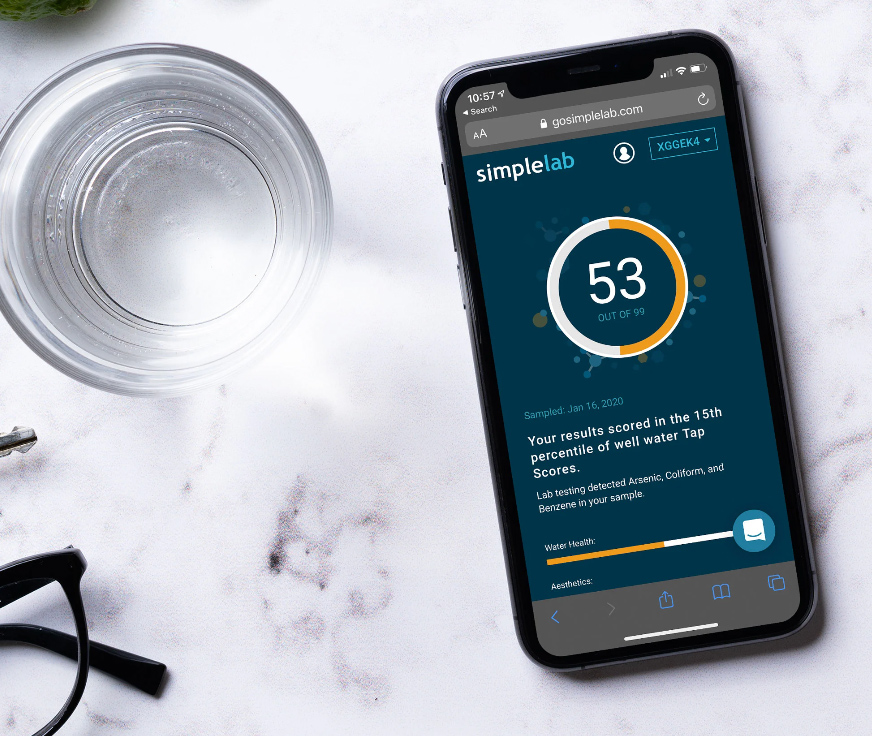
Read your CCR report and test your water. Your Consumer Confidence Report tells you what your city detected. A home water test fills in the gaps — hardness, lead at your specific tap, and any contaminants your utility may not test for. Together, they give you a clear picture of exactly what treatment your home needs.
At Clean Water Store, our WQA Master Water Specialists have been helping city water customers build the right filtration and softening systems since 1986. We can review your CCR and water test results, recommend the right combination of systems, and help you size everything correctly for your home.
Ultimate Guide to Testing Your Water
Complete Guide to Whole House Water Filtration for City Water
Whole House Chlorine and Chloramine Water Filtration Systems

Article last updated July, 2026 by Author.
Helpful Resources
Find Your Consumer Confidence Report (CCR) — EPA.gov
Hard Water and Water Hardness — USGS Water Science School
Public Water Treatment — CDC Healthy Water
Understanding Hard Water — Water Quality Association (WQA.org)


