_2.png)
 Request a Call
City Water Pressure Issues: Why do I have Low or High PSI?

Water pressure problems in your home are more than just inconvenient—they can cause long-term damage to your plumbing system and reduce the effectiveness of water filters and appliances.
Whether you’re experiencing weak showers or dangerously high pressure that stresses your pipes, understanding the causes and solutions to city water pressure issues is crucial. This guide will help you diagnose, fix, and prevent these problems, including tips on filtration system compatibility and boosting pressure when needed.
What are some common causes of water pressure issues in the city?
Clogged Sediment Filters
Sediment, debris, and mineral buildup can clog water filters, drastically reducing pressure. If you haven’t replaced or flushed your filters recently, this is often the first place to check.
Faulty Pressure Regulators (PRVs)
A failing or misadjusted PRV (pressure reducing valve) can restrict water flow, leading to persistently low PSI throughout your home. Water pressure is measured in pounds per square inch (PSI), which refers to the amount of force applied per square inch of pipe or fixture surface. A pressure-reducing valve helps maintain the correct PSI for your home by regulating the force of water per square inch, ensuring safe and consistent pressure levels. These devices are essential in maintaining safe and consistent pressure levels.
Municipal Supply Problems
Sometimes, low pressure isn’t a problem inside your home. Issues with the water supplier or water company, as well as changes in water regulations, can also lead to low water pressure in the house. City-wide maintenance, peak demand, or mainline breaks can cause widespread reductions in PSI.

Aging Pipes and Valves
Corroded pipes or partially closed valves—especially common in older homes—can severely restrict water flow. Many older homes have galvanized steel pipes, which are particularly prone to corrosion and can lead to rust buildup and loss of water pressure.
What are the dangers of High City Water Pressure?
Plumbing & Appliance Damage
Water pressure above 80 PSI can stress plumbing joints, create water hammer, and cause pipes to burst. Maintaining good pressure is essential to prevent stress and damage to plumbing joints and appliances.
Filter & Fixture Damage
High pressure can rupture filter housings or dislodge internal components. Faucets and fixtures can also wear out faster. High pressure can also damage other plumbing fixtures throughout the home, such as toilets and showerheads, leading to leaks or reduced functionality.
Reduced System Lifespan
Constant overpressure in residential use can shorten the life of water heaters, dishwashers, and washing machines.
Why Does Water Filter Compatibility Matter?
Minimum PSI for Filters to Function
Whole-house filtration systems often require a minimum PSI to function correctly. If water pressure falls below 40 PSI, the system may not filter effectively or at all.
High PSI Risks
Too much pressure can damage filter housings and cause leaks. High pressure can result in not only major leaks but also small leaks in filter housings, which may go unnoticed but still cause problems. Always ensure your filtration system’s PSI ratings match your home’s supply pressure.
How to fix Water Pressure Issues?
A Pressure Regulating Valve (PRV) is a plumbing device that automatically reduces incoming water pressure from the main city line to a safer, more manageable level for your home. It acts as a gatekeeper between the high-pressure municipal supply and your indoor plumbing system. If you need to increase pressure beyond what the city provides, a booster pump or water pressure booster may be necessary to achieve consistent water pressure throughout your home.
Here’s what a PRV does:
-
- Maintains Safe Water Pressure: It ensures water entering your home doesn’t exceed recommended levels (usually 45–60 PSI), preventing strain on pipes, appliances, and fixtures.
- Prevents Water Damage: By keeping pressure consistent, it helps avoid leaks, pipe bursts, and fixture damage caused by high PSI.
- Extends Equipment Lifespan: Appliances like water heaters, washing machines, and dishwashers last longer under stable pressure.
- Improves Filter Performance: Many whole-house water filters require a specific PSI range to operate correctly. A PRV ensures compatibility and optimal function.
Maintaining good water pressure ensures a full flow to all fixtures and appliances, preventing issues such as low flow or inconsistent performance. City water systems often rely on water towers to maintain consistent pressure throughout the supply network, helping to deliver reliable water flow to every home.
Install or Replace PRV
A properly installed PRV (pressure-reducing valve) can reduce high incoming PSI to safe, manageable levels, protecting your plumbing system, fixtures, and water filtration units from excessive wear and damage.
If your home was built decades ago or you’ve recently experienced unusually high pressure, your pressure-reducing valve may be outdated or malfunctioning. Homeowners should check the pressure-reducing valve in their own house if they are experiencing pressure issues. Replacing an old or incorrectly adjusted PRV not only improves day-to-day comfort but also extends the lifespan of your appliances and prevents costly plumbing repairs.
Modern PRVs are compact, durable, and adjustable, making them an essential component in any home with fluctuating or excessive city water pressure.
Add Sediment or Spin-Down Filters
These pre-filters trap debris before it reaches finer filters, reducing clogging and improving flow.

Use Backwash Filters with Pressure Gauges
These filters include pressure monitoring, making it easier to detect and address pressure problems in real-time.
Call a Plumber for Diagnosis
If DIY checks don’t resolve the issue, a licensed plumber can perform pressure testing and system inspections. A reputable plumbing company can provide transparent pricing and expert diagnosis. In cases of severe pipe corrosion, rust, or narrowing due to hard water buildup, repiping may be the only solution.
Boosting Water Pressure with a Variable-Speed Pump
What Is the PM Series Variable-Speed Booster Pump?
This is a comprehensive water pressure boosting solution designed for residential use, eliminating the need for a separate pressure switch or tank. It includes a VFD (Variable Frequency Drive) integrated with a permanent magnet motor.
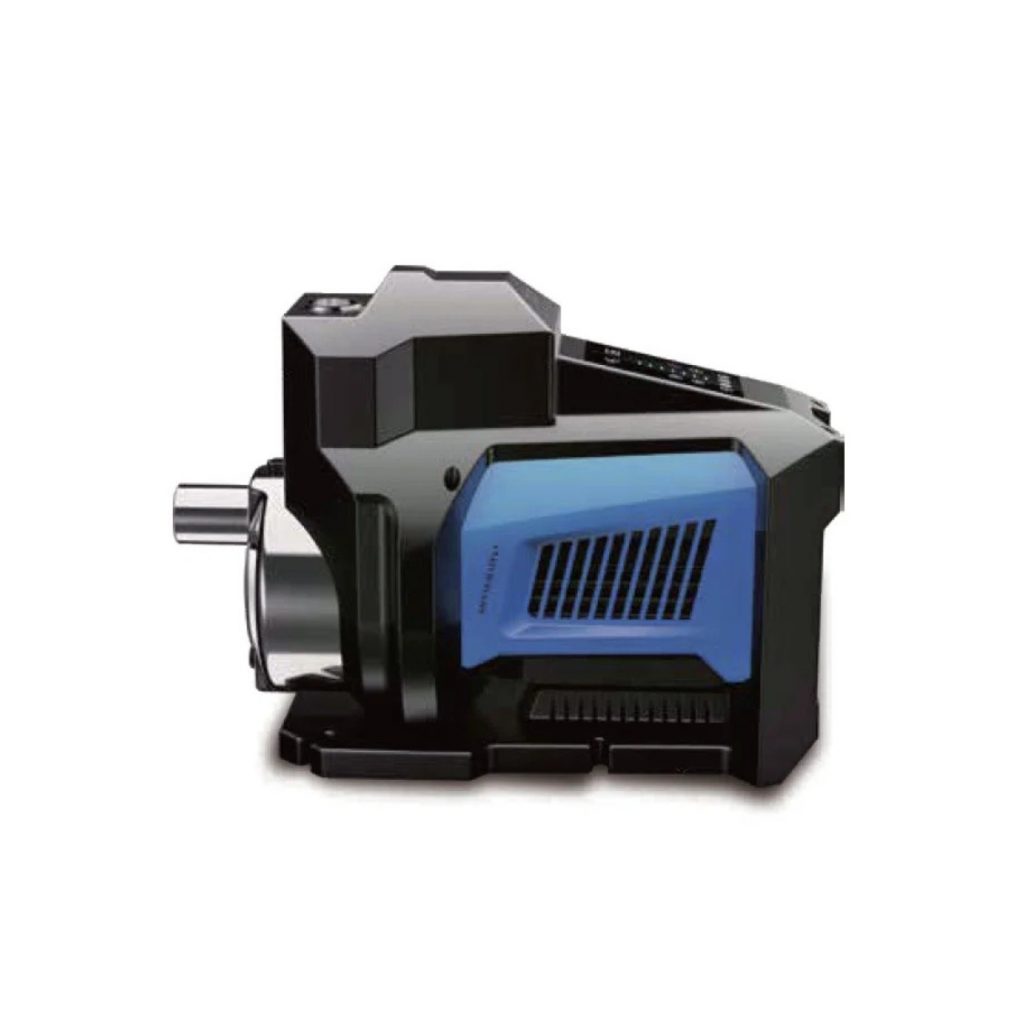
It’s self-priming up to 5 feet and features a stainless steel (AISI 304SS) body with a built-in expansion tank.
Key Benefits of a Booster Pump for Water Pressure
-
- Fully automatic control with adjustable pressure setpoints
- Corrosion-resistant and lightweight design
- Handles up to 115 PSI with smooth and quiet operation
- Ideal for homes using whole-house filtration systems or experiencing low incoming PSI
Ideal Applications
Perfect for residential homes, mobile homes, RVs, car washes, irrigation systems, and light agricultural use.
How to Measure Water Pressure at Home?
What You Need
A basic water pressure gauge that attaches to a hose bib or laundry faucet.
Steps to Measure PSI
-
- Ensure all faucets and water-using appliances are turned off.
- Attach the gauge to an outdoor spigot.
- Make sure the spigot is fully open before reading the pressure.
- Repeat at different times of day to detect fluctuations.
What the Readings Mean
-
- Below 40 PSI: Too low, often causing weak flow
- 45–60 PSI: This is typically considered good water pressure for most homes
- Over 80 PSI: Too high and potentially damaging
How Water Pressure Affects Fixtures & Appliances
Showers and Faucets
Low pressure leads to weak water flow, making showers unsatisfying and faucet tasks slow.
Toilets
It can take too long to refill or refill with excessive force, wasting water.
Dishwashers & Washing Machines
Require stable pressure to clean effectively. Low PSI can mean incomplete cycles or detergent buildup.
Water Heaters
Sediment buildup from low flow can shorten the lifespan and reduce heating efficiency.
When to Call a Professional for Pressure Issues
-
- If your water pressure fluctuates unpredictably
- When you hear new sounds like banging or whistling in pipes
- When only certain fixtures are affected
- If a water filter or softener isn’t working properly due to low PSI
A licensed plumber can test your system’s static and dynamic PSI, inspect valves, and recommend the best solution.
Seasonal Water Pressure Issues and Tips
Winter
Pipes may freeze or contract, restricting flow. Use insulation and avoid extreme thermostat drops.
Summer
City-wide pressure drops are common due to irrigation demand. Consider scheduling showers or laundry during non-peak times.
Year-Round Maintenance Tips
-
- Inspect filters monthly
- Check PSI regularly with a gauge
- Schedule annual plumbing check-ups to maintain optimal pressure
Final Thoughts
City water pressure issues can arise from a wide range of causes, from municipal supply problems to filter clogs and aging plumbing. The good news is, there are practical, affordable fixes available. Installing or replacing a pressure regulator, using compatible filters, and adding a variable-speed booster pump like the PM Series can help you maintain a stable, healthy PSI range. Regular pressure monitoring and seasonal maintenance also go a long way in protecting your home systems.
Frequently Asked Questions (FAQs)
1. What causes water pressure problems in a house?
Clogged pipes/filters, faulty PRVs, closed valves, leaks, or municipal/well issues.
2. How to tell if you have a pressure problem?
Trickle at faucets, weak showers, slow-filling appliances, or inconsistent water coming from plumbing fixtures. Issues may be isolated to specific plumbing fixtures, so check if the problem is at one fixture or throughout all plumbing fixtures.
3. Can water softeners cause issues?
Yes—if a water softener is clogged or undersized, it can restrict flow and cause pressure problems.
4. Can poor pressure damage appliances?
Absolutely—dishwashers, heaters, etc., suffer from low PSI.
5. How to troubleshoot water pressure?
Test PSI at different plumbing fixtures, inspect the shut-off valve to ensure it is fully open, and test regulators or pumps.
6. How to fix low pressure?
Clean aerators, replace PRVs, flush heaters, and add booster pumps.
7. What causes sudden drops in pressure?
Leaks, even a small leak, municipal maintenance, pump failure, and sediment blockages.
8. Are older homes more affected?
Yes, due to corrosion and outdated valves.
9. Is high pressure a problem, too?
Yes—can damage systems; PRVs recommended when PSI is too high.
10. What’s the ideal home water pressure?
45–60 PSI, with a max around 80 PSI.
Resources:
 Article last updated March 10th, 2026 by Author


