_2.png)
 Request a Call
Do I Need a Plumber for Whole-House Water Filter Installation?
Gerry Bulfin | October 8, 2025
Installing a water filter may seem straightforward until you realize that some systems require cutting into your main water line, handling copper pipes, or adding multiple connections. That’s where things can get complicated, and mistakes can lead to costly repairs.

At Clean Water Store, we’ve guided thousands of homeowners through both DIY and professional installations. From simple countertop filters to advanced whole-house systems, we’ve seen the challenges firsthand and know how to avoid them.
In this article, we’ll explain when DIY installation makes sense, when hiring a plumber is the safer choice, and the key steps you can take to prevent common mistakes.
What Types of Water Filter System Installations Are Easier and Harder to DIY?
Countertop & Basic Under-Sink Filters (DIY-friendly)
These systems attach directly to a faucet or fit neatly under the sink without cutting into pipes. They’re ideal for renters, apartment dwellers, or anyone who wants cleaner drinking water without making permanent changes to plumbing. They’re also a good choice for families dealing with chlorine taste or odor in city water, since they can quickly improve the water quality at a single tap without the cost of a whole-house system.
These systems attach directly to a faucet or fit neatly under the sink without cutting into pipes. They’re ideal for renters, apartment dwellers, or anyone who wants cleaner drinking water without making permanent changes to plumbing. Countertop models, in particular, are the easiest to set up. You simply connect them to your faucet for instant filtration.
They’re also a good choice for families dealing with chlorine taste or odor in city water, since they can quickly improve water quality at a single tap without the cost or complexity of a whole-house system.
(Note: more advanced under-sink reverse osmosis or three-stage filters often require plumbing knowledge, so those are better handled by a pro.)
Whole-House Water Filters (Plumber recommended)
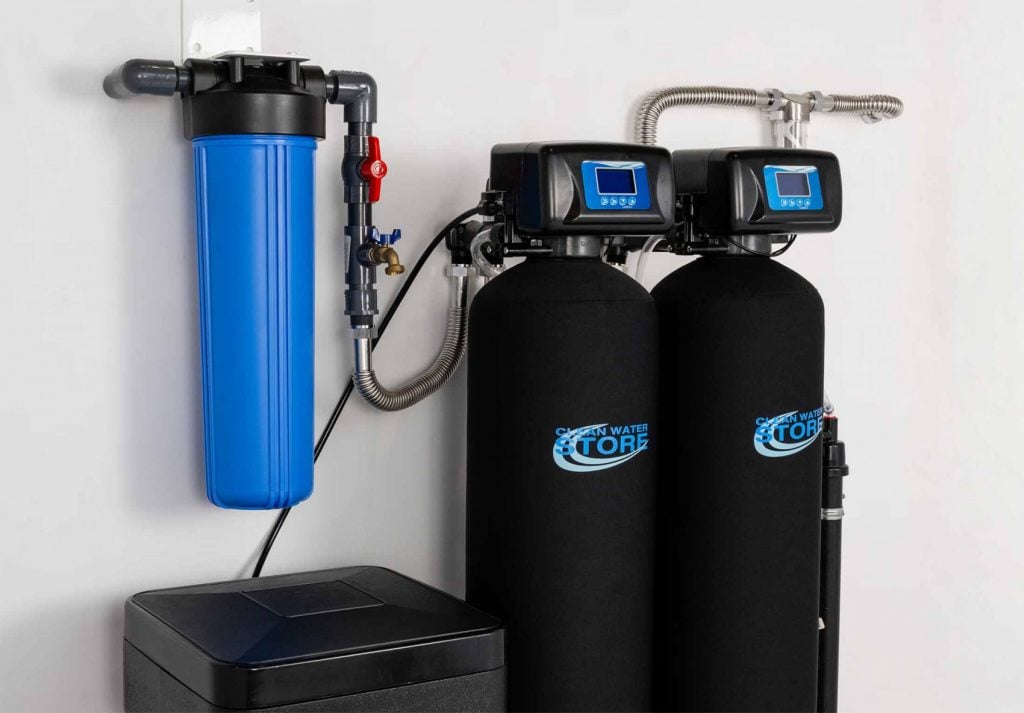
Installed at the main water line, these systems protect every tap and appliance in your home. They’re especially effective for solving issues like hard water that damages plumbing, iron that stains sinks and laundry, or chlorine that affects taste and odor. Because installation involves cutting pipes and connecting bypass valves, professional help is often the smarter route, though some handy homeowners manage the process with clear instructions and patience.
Reverse Osmosis & Complex Under-Sink Systems (Plumber often needed)
These advanced under-sink systems use several filters working together to remove tough contaminants like fluoride, nitrates, arsenic, and heavy metals. They also improve taste and odor, making them a popular choice for drinking water at the kitchen sink. Because they often require a drain line connection and a dedicated faucet, installation is more complicated. In most cases, hiring a plumber is the best way to ensure the system is set up correctly and works as intended.
When Should You Hire a Plumber for Whole-House Filter Installation?
There are times when attempting to do it yourself isn’t worth the risk:
-
- Cutting into the main water supply or drainage pipes.
- Homes with copper pipes that require soldering.
- Installing multi-stage or whole-house systems with several connections.
- Some advanced water filtration systems, such as reverse osmosis units or whole-house filters with electronic controls, may require proof of professional installation for the warranty to apply. This requirement varies by company, so it’s essential to review the manufacturer’s warranty details before deciding whether to DIY or hire a plumber.
What Are The Risks of Installing a Whole House Water Filtration System Yourself?
Even with good intentions, installation mistakes can be costly:
-
-
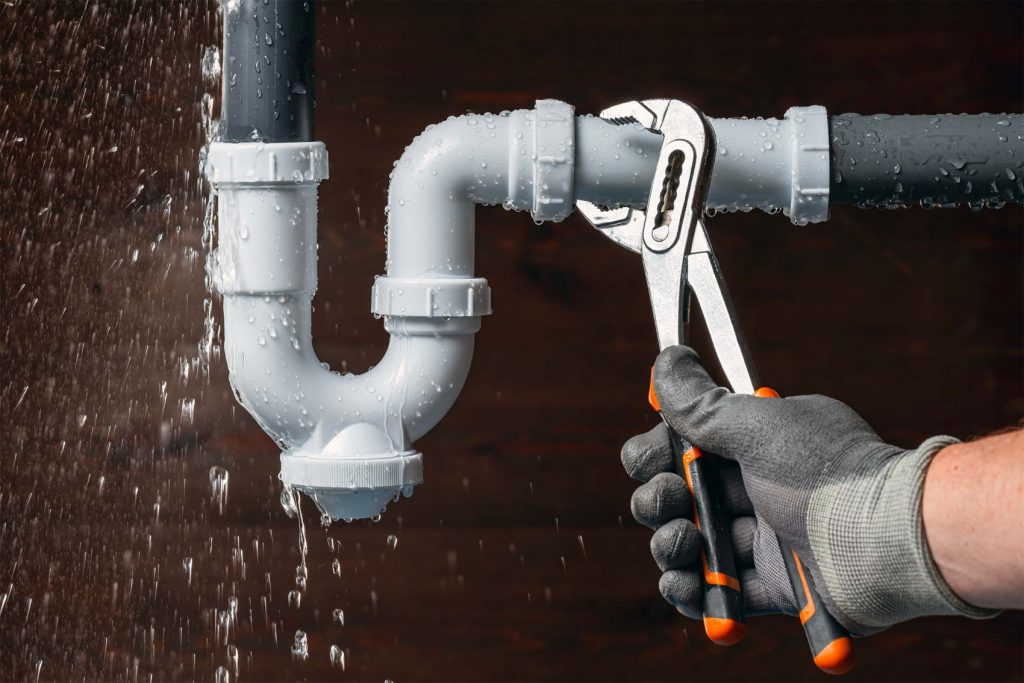
- Leaks & Water Damage from overtightened fittings or poor seals.
- Voided Warranties if the manufacturer requires professional installation.
- System Damage from reversing the water flow or using the wrong fittings.
- Injury Risks when cutting pipes or using power tools.
- Potential Contamination if cross-connections or backflow risks aren’t managed.
-
When You Can Do It Yourself (and Save Money)
Not every installation requires a pro. Many homeowners successfully handle simpler systems:
-
-
- Countertop Filters: Attach directly to a faucet in minutes.
- Direct-Connect Under-Sink Filters: Straightforward installs without pipe cutting.
- PEX or PVC Systems: Easier to work with compared to copper.
-
Tip: Some people take a hybrid approach—handling easier steps themselves while hiring a plumber for tasks like cutting into the main line. This saves money while ensuring critical steps are done right.

When to Call a Plumber for Water Filter Installation
When it comes to installing a water filter, the right path depends on the type of system you’re dealing with.
-
- If you’re installing a simple system (countertop, faucet, or some under-sink filters), then DIY installation is usually all you need.
- If you’re installing a whole-house or more complex system, then hiring a plumber is the faster, safer choice — and it keeps your warranty fully protected.
Why does this matter? Choosing the wrong installation path can lead to leaks, wasted time, or even damage to your new system. That means more money and frustration down the line.
Still unsure? Start with your water test results. Knowing your water quality will clarify what kind of system you actually need — and from there, whether DIY or professional installation makes the most sense.
At Clean Water Store, we’ve guided thousands of homeowners through this exact decision. From choosing the right system to supporting installation, our team is here to help you get set up with confidence and start enjoying clean water quickly.


