_2.png)
 Request a Call
How Much Do Well Water Treatment Systems for a Home Generally Cost?
Gerry Bulfin / November 5, 2025
If you’re on a private well, you already know how important clean, safe water is. But figuring out what a well water treatment system costs can be confusing. Prices vary widely depending on what’s in your water and what kind of system your home needs.

At Clean Water Store, we’ve helped thousands of homeowners find systems that actually solve their water problems, without spending more than necessary. And while we do sell water treatment systems, not every solution has to be expensive or even purchased from us. The goal here is transparency: to show you what typical well water treatment systems cost, why prices vary so much, and how to plan a budget that fits your home’s needs.
Is a Well Water Treatment System Expensive?
According to Angi, the average cost to install a well water treatment system is about $2,300, with most homeowners spending between $1,200 and $3,600. Simple filters can cost a few hundred dollars, while advanced multi-stage or combination systems can reach $8,000 or more.
Your water chemistry and household water use are the biggest cost drivers. A family treating mild sediment or chlorine odor will spend less than one dealing with high iron, sulfur, or bacteria. Factors like flow rate, pipe size, and the number of bathrooms also affect the size and price of the system.
What Are the Different Types of Well Water Treatment Systems?
Basic Filtration
$200–$800
A basic filtration system removes sediment like sand, rust, and silt that can clog fixtures or stain sinks. Entry-level whole-house filters or three-stage cartridge setups work well for mild sediment and are easy to maintain.

Water Softener
$800–$2,800
Water softeners remove calcium and magnesium, the minerals that cause hardness and scale buildup. This protects appliances and makes cleaning easier. They’re common in hard water areas and often paired with other filters for complete treatment.
Iron and Sulfur Filter
$900–$4,000
Iron and sulfur filters treat orange or black staining and the “rotten egg” odor caused by hydrogen sulfide gas. These systems oxidize and trap iron, manganese, and sulfur for cleaner, better-tasting water.
UV Purification
$600–$2,200
Ultraviolet (UV) systems kill bacteria and viruses without chemicals. They’re often used with other filters to make sure your water is safe to drink, especially for wells that test positive for coliform or E. coli.
Reverse Osmosis (RO)
$1,500–$6,000+
Reverse osmosis systems remove dissolved contaminants like arsenic, nitrates, or fluoride. Under-sink units cost less, while whole-house RO systems typically range from $4,800 to $8,000 installed.
Multi-Stage or Combination Systems
$2,500–$10,000+
For wells with multiple issues — hardness, iron, odor, or bacteria — a combination system might be best. These setups can include iron and sulfur filters, softeners, carbon filters, UV disinfection, and sometimes RO. The upfront cost is higher, but they deliver comprehensive treatment for complex wells.
How Do Installation Costs Compare to the Price of the Equipment?
When you buy a well water treatment system, you’re paying for two main things:
- The equipment itself — meaning the tanks, filters, valves, and control heads that actually treat your water.
- The installation labor — the time and skill it takes for a plumber or installer to hook everything up correctly.
How Much Does Installation Add to the Total Cost of a Water Treatment System
Professional installation usually adds $200–$600 to your total. The price can go higher if your setup needs new electrical wiring, drain lines, or extra plumbing connections. More complex systems, such as those combining multiple filters and a softener, take longer to install and cost more for labor.
Why Sizing the Water System to Your Home Matters
Your installer will size the system based on your home’s flow rate (how many gallons per minute your plumbing can handle), pipe diameter, and peak demand — for example, when showers, laundry, and kitchen water are all running at once.
If the system is too small, you’ll notice low water pressure or poor filtration. If it’s too large, you’ll spend more than necessary on equipment you don’t need. Getting the size right keeps your system efficient, reliable, and cost-effective.
How Much Does It Cost to Maintain a Well Water Treatment System Each Year
Once your system is installed, it’s important to plan for small, ongoing costs that keep it working properly. Every well water treatment system needs regular upkeep to stay effective, but the good news is that most of these costs are minor and predictable.
What Regular Maintenance Includes
Each system type has parts that need attention over time:
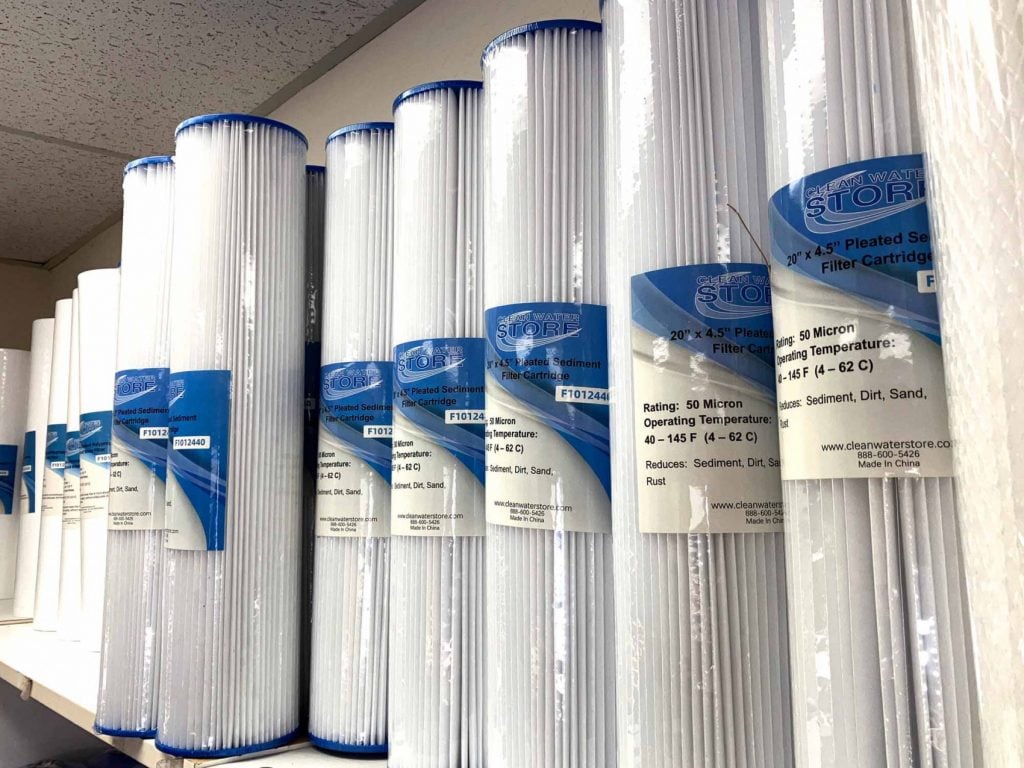
- Filter replacements: Most filters need to be changed every few months to once a year, depending on your water quality and usage. These cost around $30–$200 each.
- Softener salt: If you have a water softener, you’ll need to add salt or potassium pellets regularly. How often depends on how hard your water is and how much you use.
- UV lights: Ultraviolet systems use a UV bulb to kill bacteria. These bulbs usually last about a year and are easy to replace. They also draw a small amount of electricity — roughly the same as a night light.
How Much You’ll Spend Each Month
Most homeowners spend between $5 and $30 per month to maintain their system. Smaller homes with lighter water usage are at the low end, while larger households or those with high iron or hardness may be higher.
Why Maintenance Matters
Changing filters, replacing bulbs, and checking system pressure might sound small, but skipping these steps can cause your system to work harder or stop filtering properly. A little upkeep ensures you keep getting safe, clean water — and helps your investment last for many years.
What Factors Influence the Final Price of a Well Water System?
Contaminant Levels and pH
Higher iron, sulfur, or bacteria levels — or low pH — require more advanced equipment and additional stages.
Home Size and Water Usage
Larger homes with more bathrooms or higher water demand need larger tanks and valves, which adds cost.
Installation Environment
Accessibility, available space, and proximity to drains and power all affect labor time and total installation cost.
Why Price Doesn’t Always Equal Performance
Expensive doesn’t always mean better. Some systems are marked up due to branding or commissions. Focus on your water chemistry, proper sizing, and warranty support instead.
Should You Install a System Yourself or Hire a Professional?
When DIY Installation Is Possible
If you’re handy and comfortable following plumbing codes, you can install a simple, single system like a sediment filter or softener yourself.

When It’s Better to Hire a Professional
Hire a licensed installer if your home has older plumbing, limited space, or multiple treatment systems. Professionals handle code compliance, pressure balancing, and safety checks to ensure the system performs correctly.
How to Budget for a Well Water Treatment System
Start With a Professional Water Test
Always begin with a lab test to find out what’s really in your water. Even if it looks clear, well water can contain iron, manganese, sulfur, bacteria, hardness minerals, or low pH that aren’t visible but still cause staining, odor, or health concerns. Testing shows exactly what needs treatment — and just as importantly, what doesn’t — so you don’t waste money on the wrong system.
Prioritize the Most Important Problems First
Start by treating the issues that affect health and safety, such as bacteria or high levels of contaminants. Once those are resolved, you can focus on aesthetic problems like staining, hardness, or taste and odor. This step-by-step approach ensures your water is safe before you spend money on comfort or cosmetic upgrades.
Add Systems in Phases If Needed
You don’t have to buy everything at once. Begin with the core systems that protect your entire home, such as whole-house filtration or disinfection. Later, you can add an under-sink reverse osmosis unit for purified drinking water. Phasing upgrades keeps your costs manageable while still improving water quality over time.
Ask Smart Questions Before You Buy
Before choosing a system, ask your vendor about media lifespan, valve durability, warranty coverage, and replacement costs. Also, check whether you’ll have access to ongoing tech support. These details help you compare systems accurately and understand the true long-term value, not just the upfront price.
What a Fair Cost Looks Like for a Well Water Treatment System
For most homes, a realistic cost range is $1,200–$3,600 installed, while complex wells with multiple water issues may cost more. Matching your system to your actual water test results ensures you get lasting performance without overspending.

The next step is to get a professional well water test and share your flow rate and pipe size when requesting quotes. That helps you receive a clear, line-item estimate for equipment, installation, and maintenance.
At Clean Water Store, we can review your test results, confirm system sizing, and recommend a cost-smart treatment plan that fits your water chemistry, usage, and budget — so you can enjoy clean, dependable water without guesswork.
Read More
Want to learn whether one water system is enough or if your home needs multiple filtration stages? Check out this helpful guide from Clean Water Store: How Do I Know If One Water System Will Work or If I Need Multiple Systems?


