_2.png)
 Request a Call
How to Choose the Right Iron Filter System?
Gerry Bulfin / October 30, 2025
Iron in your well water can cause a lot of unpleasant issues. It stains sinks and laundry, corrodes appliances, and makes water taste metallic. Worse, choosing the wrong iron filter system can cost you thousands without solving the problem.

We know this is where you might expect us to say, “Our filters solve everything.” The truth is, not every system is right for every well, and that’s exactly why we test first, not sell first.
At Clean Water Store, we’ve tested thousands of wells and designed systems for every type of iron challenge. We know what works, where homeowners waste money, and why “sticker shock” often happens when iron levels are high.
In this article, you’ll learn why iron is so tricky to treat, what factors actually determine the right system, and how to avoid the frustration of paying too much for a filter that doesn’t work.
Why Is Having High Iron Levels So Expensive to Fix?
High iron levels can be frustrating—and yes, sometimes expensive—to fix. That’s because no two iron problems are exactly the same.
In some homes, the water looks perfectly clear, but it’s hiding dissolved iron that only shows up later as rusty stains on sinks, tubs, or laundry. In others, the iron is already oxidized or mixed with sediment and bacteria, which can clog pipes and filters. Each type of iron requires a different kind of treatment, so there’s no one-size-fits-all system.
Iron issues also tend to come with other water problems. For example, if your water is slightly acidic, it can pull more iron out of the ground. In that case, you’d need to correct the acidity first; otherwise, your iron filter won’t work as well. That means adding an extra system or using a combination filter, which increases cost.
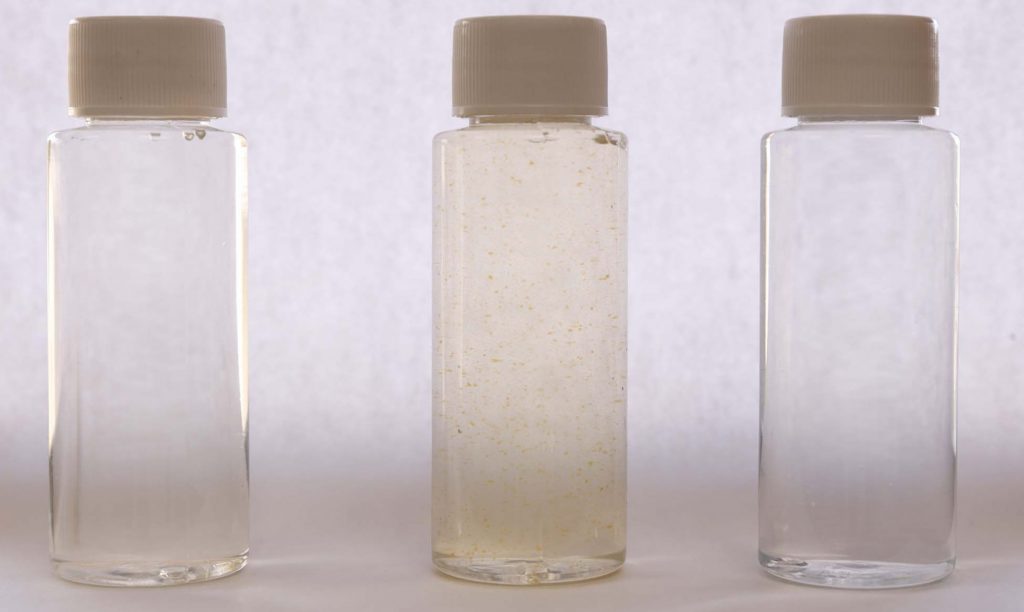
The amount of iron in your water makes a big difference. Small amounts (1–2 parts per million) can often be treated with a single iron filter. But high levels (10 parts per million or more) need a stronger system with more filter media, higher flow capacity, and powerful backwashing to keep up.
At higher levels, your water may also need a pre-treatment step like chlorine injection. Chlorine helps turn dissolved iron into solid particles that the filter can remove. It also treats other problems such as manganese, sulfur odors, and bacteria. While this adds some upfront cost, it helps your filtration system work better and last longer.
The more iron in your water, the larger and more complex your setup needs to be—so costs go up as iron levels rise.
What Factors Should You Consider When Choosing an Iron Filter?
Your Water Chemistry Comes First
The very first step, before you buy any filter, is to test your water. Your water’s chemistry determines what kind of system you actually need. There are several types of iron that can show up in well water:
- Clear water iron looks invisible when it comes out of the faucet, but turns rusty after sitting in a glass or staining your sink.
- Oxidized iron is already visible as reddish or brown particles.
- Iron bacteria can make your water slimy, create orange buildup, or even cause an oily film.

A good test will also tell you if you have other problems, such as a rotten-egg smell from sulfur, dark stains from manganese, or a low pH that makes the water acidic. Each of these issues can change what kind of system you need—and whether one filter will work or you’ll need a combination of systems.
Gallons Per Minute and Flow Rate
Next, you’ll want to know how much water your well can deliver at once. This is called the flow rate, and it’s what helps size your system correctly. Here’s an easy way to check:
- Fill a 5-gallon bucket directly from an outdoor faucet or the pressure tank line.
- Time how long it takes to fill. If the bucket fills in one minute, your flow rate is about 5 gallons per minute (GPM).
This number matters because your filter has to keep up with how quickly water moves through your home. If your system is too small for your flow rate, it will clog faster, work harder than it should, and stop cleaning the water properly.
House Size and Water Usage
Your home’s size and water use also play a big part. A small home with one bathroom and light water use will need a smaller system than a large family home with three bathrooms, a laundry room, and outdoor watering. If you use a lot of water for irrigation or landscaping, your total demand can easily double.
Systems designed for whole-house use are built to handle high water volume, while smaller systems are fine for indoor-only use like cooking and bathing. Choosing the right size ensures your water pressure stays strong and your filter lasts longer.
Why You May Need More Than One System to Solve Iron Problems
Iron rarely shows up by itself in well water. It often brings other issues along for the ride, like acidic water (low pH), iron bacteria, a rotten-egg smell from hydrogen sulfide, or hardness from minerals such as calcium and magnesium. When more than one of these problems is present, a single iron filter usually won’t be enough to fix everything. In those cases, you may need a combination of systems to fully clean and protect your water.
While that might cause some sticker shock at first, choosing the right setup from the start actually saves money over time. The right mix of systems helps prevent repeated service calls, early breakdowns, and the frustration of paying for repairs that could have been avoided.
Why Iron Filter Costs Can Vary So Much
Media Quality and Longevity
The type of filter media inside your iron system makes a big difference in both performance and cost over time. High-quality media, like Pro-OX, can last for many years without needing to be replaced often, which saves time and money in the long run. NSF-certified media also meets higher safety and performance standards, but it usually comes with a higher price tag.
On the other hand, cheaper media might look like a good deal upfront, but it tends to wear out faster and need more frequent replacements—costing more over time than a durable, long-lasting option.
Valves and Serviceability
The type of valve your system uses plays a big role in how reliable and easy to maintain it is. Valves like the Chandler 5900 are made in the U.S., include Bluetooth features for simple monitoring, and are designed so you can service them when needed instead of replacing the whole unit.
The 7500 ceramic disc valve is another durable option—it can handle up to 150,000 cleaning cycles, which means it can last for many years with proper care. In contrast, cheaper valves you find online are often made to be disposable. They can’t be repaired if something goes wrong, so you end up having to replace the entire valve, which costs more in the long run.
Support and Warranty Differences
- Support and guidance: Some providers, including Clean Water Store, offer hands-on technical support during installation and optional post-installation water testing. Others may provide standard documentation or limited support; check what’s included before you buy.
- Product fit: Mass-market retailers often carry standardized, “one-size-fits-most” models, while specialty sellers typically offer a wider range of sizes and configurations. The best choice depends on your water chemistry, flow rate, and home size.
- Total cost of ownership: A higher upfront price can reduce maintenance, replacements, and service calls over time, but not always. Compare warranties, media lifespan, valve serviceability, and available support to estimate lifetime cost.
How Do I Know Which Iron Filter System Is Right for My Home?
Choosing the right iron filter starts with chemistry and flow rate—not price tags or brand names.
Get it wrong, and you risk wasting money, dealing with stains and odors, or buying multiple systems that don’t solve the problem.
The smartest way forward is to test your water, then match your results to the right filter. That might mean one system, or it might mean more, but either way, you’ll avoid the sticker shock of replacing the wrong system.
At Clean Water Store, we’ve helped thousands of families diagnose their iron problems and invest in filters that last for years. If you’re ready to stop guessing, our specialists can guide you to the right test and the right system so you can enjoy clear, clean water with confidence.
Read More
How Chlorine Injection Helps Remove Iron, Manganese, and Sulfur Odors from Well Water


