_2.png)
 Request a Call
Why You Have Water Spots on Dishes — And How to Fix Them

If your dishes or glasses come out of the dishwasher with white spots, dullness, or a foggy appearance, you’re facing a common but frustrating issue: water spots. These are more than just visual imperfections—they can indicate deeper water quality problems that affect not just your dishes, but your appliances and plumbing over time.
Water spots typically result from minerals left behind as water dries. Depending on your water source, this may involve hard water minerals like calcium and magnesium, or in some areas, more stubborn compounds like silica.
What Causes Water Spots on Dishes?

The primary cause of water spots is mineral residue. When your dishwasher completes its cycle and the water evaporates, the minerals that were dissolved in the water remain behind, clinging to the surface of your dishes.
Some common signs of hard water issues include water marks, scale buildup, and appliance malfunctions.
In regions with hard water, the most common culprits are calcium and magnesium. These leave behind white, chalky deposits, especially visible on glass. These are typical hard water issues that can affect both dishes and appliances. The white, chalky deposits and scale are caused by hard water. A cloudy film on glassware is another visible result of mineral deposits.
What Is Hard Water—and How It Affects Dishwashing
Hard water refers to water that contains elevated levels of dissolved minerals, also known as high mineral content. These minerals don’t just stain your dishes—they interfere with how detergents work, reduce rinse quality, and contribute to scale buildup in your dishwasher’s internal components.
Signs your home has hard water:
- Cloudy or etched glasses
- White residue on dishes and silverware
- Buildup around faucets or inside kettles
- Soap that doesn’t lather well
- Dry skin or dull hair after bathing
For many households, hard water can be a persistent problem, leading to ongoing maintenance and cleaning challenges.
If your dishwasher is leaving a residue behind even after using detergent and rinse aid, hard water is very likely the cause.
The Overlooked Culprit: Silica in Water
While most people focus on calcium and magnesium, silica is a lesser-known but equally damaging mineral, especially in homes that use well water. Silica can enter your home through the water supply, particularly if you rely on groundwater sources. Silica is found naturally in many groundwater sources and can be difficult to remove through conventional water softening.
Unlike calcium or magnesium spots, silica spots are nearly invisible at first. Over time, they form a milky or iridescent haze on glass that eventually leads to etching. This etching is permanent. No amount of cleaning will restore the original shine of the glass once silica damage occurs.
Silica-based spotting often:
- Cannot be removed with vinegar or traditional cleaning agents
- Appears as a rainbow or frosty discoloration
- Causes permanent micro-pitting in glass surfaces
Silica is particularly problematic because it’s hard to detect and harder to treat. Traditional water softeners don’t remove silica effectively, so a different approach may be necessary.
Short-Term Fixes to Improve Dish Clarity
If you’re seeing spots and want immediate improvement, start with these short-term actions. These are effective solutions designed to quickly combat water spots and improve the clarity of your dishes.
Use a Rinse Aid
Rinse aids help water glide off dishes more evenly by reducing surface tension, minimizing the droplets that leave mineral deposits behind. This is especially helpful in areas with mild to moderate hardness.
Try a Vinegar Rinse
Place a cup of white vinegar in a dishwasher-safe bowl on the bottom rack and run a cycle without detergent. This can help dissolve mineral film, but it won’t fix etching or remove silica-based residue.
Adjust Dishwasher Settings
- Run the dishwasher on the hottest setting available (at least 120°F hot water) to ensure better drying and rinsing
- Run hot water at the sink before starting the dishwasher so it fills with hot water for the wash cycle
- Select the appropriate wash cycle or wash cycles for your dishwashing needs, especially if you have hard water, to improve cleaning and reduce spotting
- Choose the right dishwasher cycle and wash options to help reduce spotting and improve results
- Don’t overload the dishwasher—this ensures proper spray coverage
- Angle glassware downward to promote drainage and reduce water pooling
Check Your Detergent
Choosing the right dishwasher detergent is crucial for preventing spots on your dishes. Some detergents work better in soft water, while others are formulated to handle hard water. For hard water conditions, Cascade Platinum is an effective option, as it contains water softeners and rinse aids to prevent mineral deposits, spots, and streaks. Always fill the detergent and rinse aid dispensers properly to achieve optimal cleaning and drying results. Using the wrong detergent can worsen spotting or even accelerate etching. Use only the recommended amount, especially if you have a water softener.
Long-Term Solution: Treating the Root of the Problem
Install a Water Softener

A water softener reduces the mineral content of your water supply, leading to fewer spots and better cleaning. A water softener is the most effective long-term solution to hard water. It removes calcium and magnesium through an ion exchange process, which drastically reduces mineral buildup and spotting. With soft water, dishes rinse cleaner, appliances last longer, and detergents work more effectively.
Consider a Whole-House Filtration System
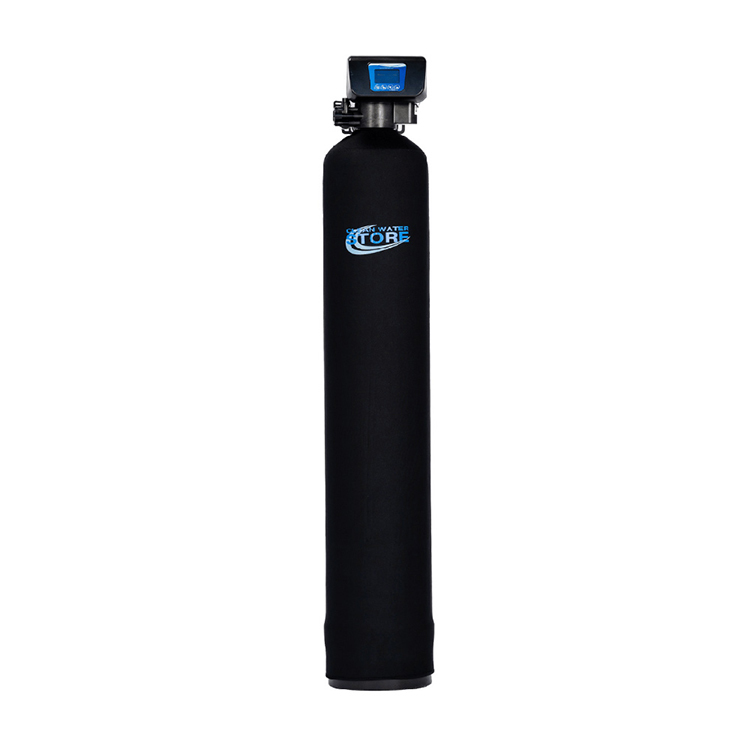
If your water contains silica or very high levels of total dissolved solids (TDS), a water softener alone may not be enough. In this case, a whole-house reverse osmosis (RO) system may be necessary. This type of system filters out a broader range of minerals, including silica, providing purified water to your entire home. Whole-house filtration systems also help prevent hard water buildup in appliances and on dishes, reducing mineral accumulation and maintaining optimal performance.
Look for Built-In Water Softeners in Dishwashers
Many modern dishwashers come equipped with built-in water softening units. These can be a great solution if you don’t want to install a full-home system, although they still require regular maintenance and salt replenishment.
Glass Etching vs. Water Spots—Know the Difference
Understanding whether you’re dealing with water spots or etching is crucial:
- Water Spots (also known as hard water stains): Caused by mineral residue, these marks are a result of hard water stains left behind after washing. You can remove hard water stains by cleaning with vinegar or using a rinse aid, which helps dissolve mineral deposits and prevent buildup.
- Etching: Caused by prolonged exposure to minerals or improper detergent usage, etching leaves permanent marks or a frosted appearance on glass.
If your glasses feel rough to the touch or display a rainbow hue when held to the light, they’re likely etched, and replacing them may be the only solution.
Preventative Tips for Spot-Free Dishes
To prevent water spots and etching in the future:
- Test your water regularly for hardness and silica
- Use the correct detergent for your water type
- Add a rinse aid to every load to boost your dishwasher’s performance and help achieve sparkling clean dishes
- Clean your dishwasher’s filter monthly
- Remove and soak spray arms and racks in vinegar to dissolve mineral deposits and keep your dishwasher running smoothly
- Periodically clean your dishwasher by running a cycle with baking soda or soda to remove buildup and maintain a sparkling clean interior
- Regularly check and clean the spray arms to prevent clogs and ensure thorough washing
- Avoid overly soft water with aggressive detergent use
- Install a proper water treatment system for your home’s needs
Proper washing techniques and regular maintenance will result in clean dishes with a sparkling clean finish every time.
Frequently Asked Questions (FAQs)
Why do my dishes come out of the dishwasher with white spots?
This is typically due to hard water minerals like calcium and magnesium drying on the surface, which can leave a filmy residue on your dishes.
Can vinegar remove water spots?
Yes, vinegar can dissolve mineral film from hard water, but it won’t fix etching or remove silica-based spots.
What is etching, and can it be fixed?
Etching is permanent damage to glass caused by prolonged exposure to harsh minerals or overly soft water combined with high-alkaline detergents. Once glass is etched, it cannot be repaired.
What’s the best way to prevent water spots?
Install a water softener, use the rinse aid dispenser in your dishwasher, and clean your dishwasher regularly. If silica is the problem, you may need a reverse osmosis system.
How do I know if silica is in my water?
Silica is common in well water. You can test for it using a water analysis kit or consult with a water treatment professional.
How do I prevent hard water deposits in my dishwasher?
Regular maintenance, such as cleaning your dishwasher and using water softeners, helps prevent hard water deposits from building up inside the appliance.
Final Thoughts
Water spots on dishes are more than an eyesore—they’re a signal that something isn’t right with your water quality. Whether it’s calcium and magnesium causing buildup or silica etching your glassware, the solution starts with understanding the source of the problem. Addressing water quality issues in the first place is key to preventing water spots and maintaining your appliances. With the right combination of cleaning habits and water treatment, you can enjoy clear, spotless dishes—and preserve your glassware and appliances for years to come.


