_2.png)
 Request a Call
How To Choose The Right Water Treatment System For My Well Water?
Gerry Bulfin | October 3, 2025
If your home relies on a private well, you’ve probably noticed challenges like sediment buildup, odd tastes or odors, or even bacteria showing up in your water test. Left untreated, these issues can affect not only your plumbing and appliances but also your family’s health.

At Clean Water Store, we’ve worked with thousands of homeowners across the U.S. to solve well water problems of all kinds—from stubborn iron and sulfur to hard water and coliform bacteria. No two wells are alike, which is why choosing a system requires more than guesswork.
In this article, we’ll break down the most common well water issues, the treatment options available, and the key factors to consider so you can confidently select the right system for your unique water chemistry.
Why Well Water Treatment Matters for Your Specific Situation
While most well owners already know untreated water carries risks, the bigger challenge is knowing which issues apply to your home. Bacteria like coliform and E. coli create urgent health concerns, while minerals such as iron, manganese, and hardness may not affect safety but can shorten appliance life and drive up maintenance and cleaning costs.
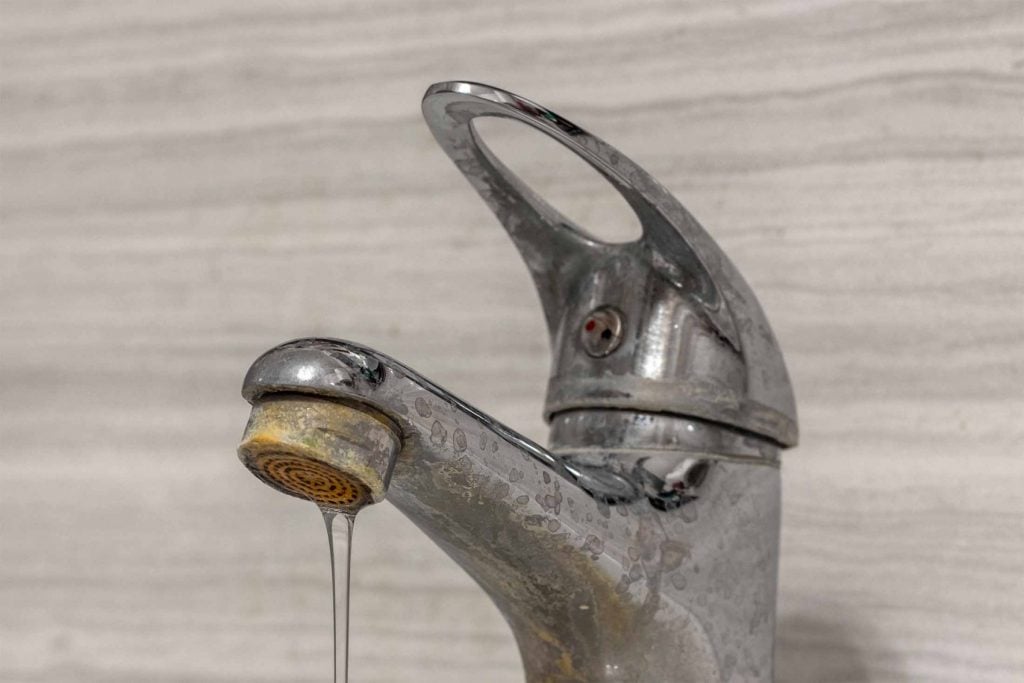
The takeaway? Every well is different, and identifying your water’s unique risks through testing is the only way to match the right treatment system.
Common Problems With Well Water and How To Solve Them
Iron
Reddish-brown stains in sinks, toilets, or laundry usually mean too much iron in your water. A dedicated iron filter system is the most effective solution.
Sulfur
If your water smells like rotten eggs, sulfur is often to blame. Aeration, ozone, or peroxide odor removal treatment systems can remove the odor and improve taste.
Coliform Bacteria
When tests show coliform or E. coli, the water is unsafe to drink and needs immediate treatment. UV disinfection systems or shock chlorination are proven options for making water safe.
Hard Water
Mineral scale on fixtures and appliances is a sign of hard water. Installing a water softener prevents scale buildup, protects plumbing, makes cleaning easier and extends appliance life.
Can One Water Filter Solve All My Problems — or Will I Need Multiple Systems?
In some cases, a single system is enough — for example, a softener can handle hard water on its own. But many homeowners discover that their water issues overlap, which means one system may not fully solve the problem.
For example:
-
- Iron + Bacteria: An iron filter won’t disinfect water if coliform bacteria are present. Pairing it with a chlorination disinfection system or UV system ensures both problems are addressed.
- Sulfur + Hardness: Strong odors from sulfur may require peroxide or ozone treatment, while hardness still needs a softener.
- Complex Wells: Some wells contain multiple issues (iron, manganese, bacteria, odors), and the best solution is often a combination system tailored to test results.
That’s why starting with a water test is critical. It gives you a clear picture of whether one filter will do the job, or whether a combination of systems is the smarter long-term choice.
Best Well Water Treatment Systems: Types and Options
| Problem | Best System | Who It’s Best For |
| Iron, sediment, hardness | Whole-House Filtration Systems | Homeowners dealing with stains, scale buildup, or worn appliances who want full-home protection. |
| Coliform bacteria, E. coli | Chlorinators, UV Disinfection Systems, Ozone Recirc Skids | Families concerned about health risks who want a chemical-free solution for safe drinking water. |
| Bad taste, odors (musty, chlorine-like, sulfur smell) | Peroxide Injection Systems, Carbon Filters | Households focused on better-tasting water for drinking and cooking, often used as a polishing filter. |
| Acidic water, high iron, and stubborn sulfur odors | Specialty Systems (Neutralizers, Iron Filters, Ozone/Peroxide) | Homeowners with complex or severe water issues that require customized treatment. |

How to Choose the Right Well Water Treatment System for Your Home
Step 1: Order a water test
A lab test will tell you exactly what’s in your water—whether it’s bacteria, iron, hardness, or other contaminants.
Step 2: Review the results
Look at which contaminants are present and their levels. This determines what type of system you need.
Step 3: Match problems with solutions
-
- If bacteria are present, add a UV disinfection system.
- If iron or manganese is detected, install an iron filter.
- If hardness is the issue, use a water softener.
Step 4: Confirm your setup
Sometimes, one system isn’t enough. For example, if you have both iron and bacteria, you may need a filter and UV. Matching the right combination ensures your water is safe and your equipment lasts.
Key Factors to Consider Before You Buy a Well Water Treatment System
Before choosing a system, keep these factors in mind:
-
- Long-term costs: Expect $150 – $400 every few years for filter or media changes.
- Maintenance: Simpler systems (like ozone or chlorination) often save money but may require a bit more maintenance. Check in with your comfort level for DIY maintenance before deciding on what kind of system you want.
- DIY vs. Professional Installation: Many systems are DIY-friendly, but complex designs may need a plumber.
- Warranty and Support: Look for companies that offer real, ongoing support after you install the system, preferably with a direct line to a WQA-certified water expert.
Finding the Right Well Water Treatment for Your Needs
So, what’s the key takeaway? A well water treatment system isn’t one size fits all. The key is matching your water test results to the right solution. That could mean a single system for hardness or iron, or a combination approach if bacteria, odors, and minerals overlap.
Also consider how much time and DIY handiness you have, you might save a lot of money with a chlorination system or you might be short on time and prefer a more expensive “set it and forget it” type water system with automations and Bluetooth.

These decisions matter. The correct setup protects your family’s health, keeps appliances running longer, and saves you from costly fixes down the road. Ignoring problems, even small ones, often leads to bigger issues later.
If you’re ready to take the next step, start with a water test. That one simple action gives you the clarity to choose with confidence. From there, you can explore systems like UV for bacteria, iron filters for staining, or specialty solutions for stubborn odors—knowing each choice is grounded in real data, not guesswork.
At Clean Water Store, we’ve helped thousands of homeowners navigate this process. Our team can review your test results at no cost, explain your options in plain language, and recommend systems that strike a balance between performance, cost, and long-term peace of mind.


