_2.png)
 Request a Call
What Common Problems do Homeowners Face with Well Water Filtration?
Gerry Bulfin / November 14, 2025
If your well water suddenly smells odd, leaves stains, or your pressure drops, you want quick answers you can trust. At Clean Water Store, we talk with homeowners every day about iron, odors, low pressure, and systems that “just don’t seem to be working.”

In this guide, you’ll learn the most common well water filtration problems, how to spot them early, and the fastest ways to get back to clean, reliable water.
Since we sell systems, parts, and support, it’s fair to wonder if we’ll steer you toward a single fix. Our goal is clarity first. We’ll start with simple DIY checks you can do right now and only point to professional help when it genuinely adds value.
What Are the Signs My Well Water System Is Not Working?
Water Pressure is Low After the Filter
Think of your filter/softener like a toll booth in the water line. If pressure is fine before the booth (at the well/pressure tank) but weak after it (in the house), the slowdown is likely inside the unit. The most common causes are a clogged cartridge pre-filter, media in the tank that’s gummed up with iron or sediment, or a control valve that isn’t running its automatic cleaning/backwash cycle.
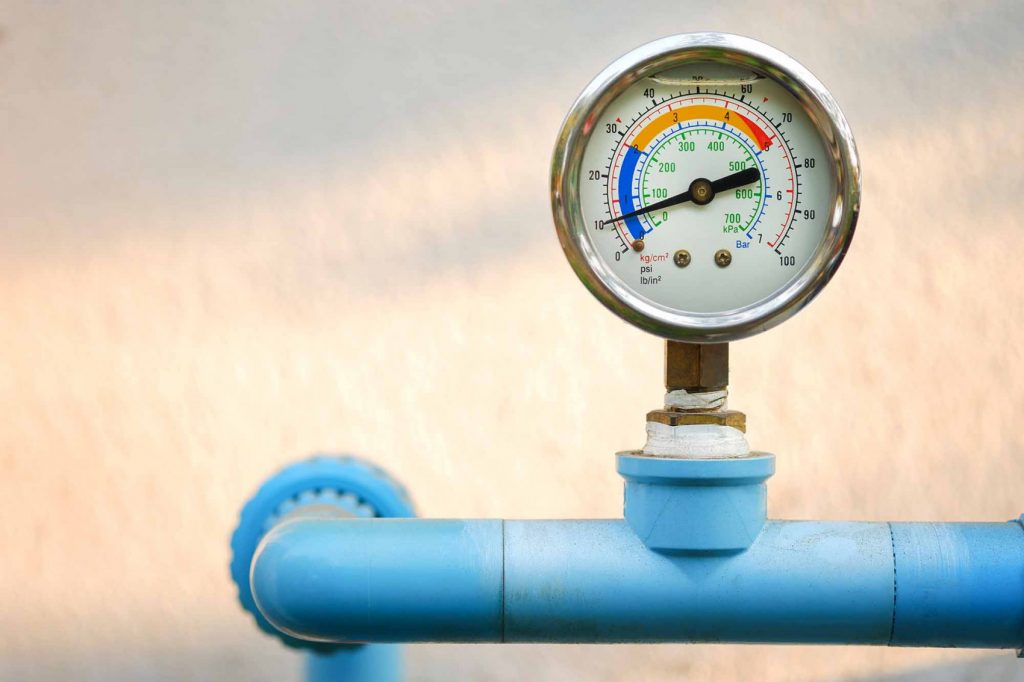
A quick test is to switch the unit to bypass; if the pressure jumps back, you’ve found the bottleneck. Start by replacing the pre-filter and confirming the backwash/regeneration schedule. If pressure is low even in bypass, look upstream at the well pump or pressure tank.
Odors or Tastes Returning in the Water
If rotten-egg smells, metallic tastes, or musty odors return, it typically indicates that the filter media is exhausted, the UV lamp requires attention, or the system settings no longer align with your current water chemistry. Addressing the right cause starts with a quick water test.
Before/After Test Results Not Improving
Test both the water entering your system and the water coming out. The numbers for hardness and iron should be lower after the system is in operation. If they’re the same (or close), the system isn’t cleaning the water. Common reasons include the filter material being worn out and needing replacement, incorrect control valve settings, or the system being too small for your household’s water use. First, check the settings and replace any used-up filters or media. Then, test again to ensure the numbers have dropped.
Common Installation Mistakes
Rushing Startup and Not Following the Manual or Videos
Hurrying through the first setup can leave valves mis-set and air or debris trapped in the system. Take it step by step with the manual or video. Slowing down here prevents a lot of headaches later.
Not Using or Installing a Proper Bypass
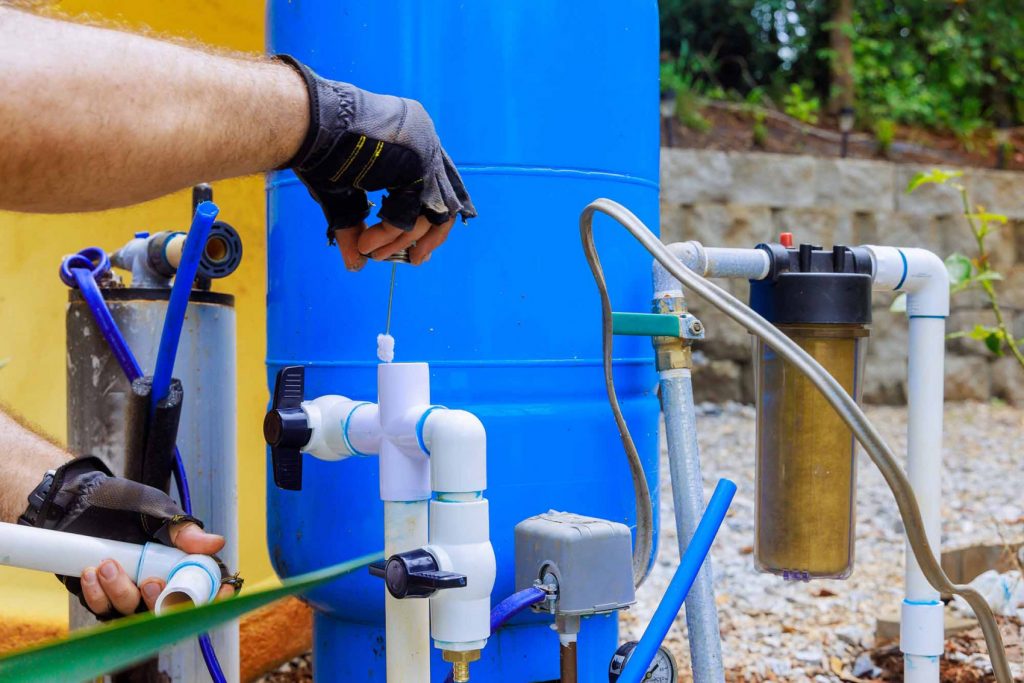
A bypass lets you send water around the filter/softener. It makes testing, flushing, and servicing simple. Without a bypass, even quick checks become more difficult and time-consuming.
Incorrect Sizing Causes Pressure Drop or Premature Wear
If the system is too small, your water pressure can drop, and the filter media wears out faster. If it’s too big, it may not clean itself often enough to stay effective. Sizing the system to your home’s flow and water use keeps everything working smoothly.
Skipped Maintenance or Cleaning Cycles
Your system needs regular “self-cleaning” cycles (backwash/regeneration). If they’re not set correctly or you skip yearly checkups, the filter material clogs, and water quality drops.
Forgot to Add Softener Salt
A softener can’t do its job without salt. When the salt runs out, hardness sneaks through, causing the softener resin to become gummed up, which shortens its life.
Using a Softener to Treat Iron
Softeners aren’t iron filters. On iron-heavy wells, iron coats (fouls) the softener resin, making the whole unit fail early. Use a proper iron filter before the softener.
What Determines How Long a Well Water Treatment System Lasts?
Your system’s lifespan comes down to three things: the quality of your water, how much you use, and how well you maintain it. Harder, dirtier water and heavy household use make filters and valves work harder. The right settings and simple care keep everything from clogging or wearing out early.
Basic care that makes a big difference:
- Run the automatic cleaning cycles (backwash/regeneration) often enough for your water conditions.
- Keep the equipment out of direct sunlight and extreme temperatures.
- Change filters on schedule.
- Do a quick yearly checkup to catch minor issues early.
Follow these steps, and most home systems can last 10–12 years or more.
Which Well Water Filtration Parts Need Replacing Most Often?
Cartridges, Pistons, and Seals Wear Out First
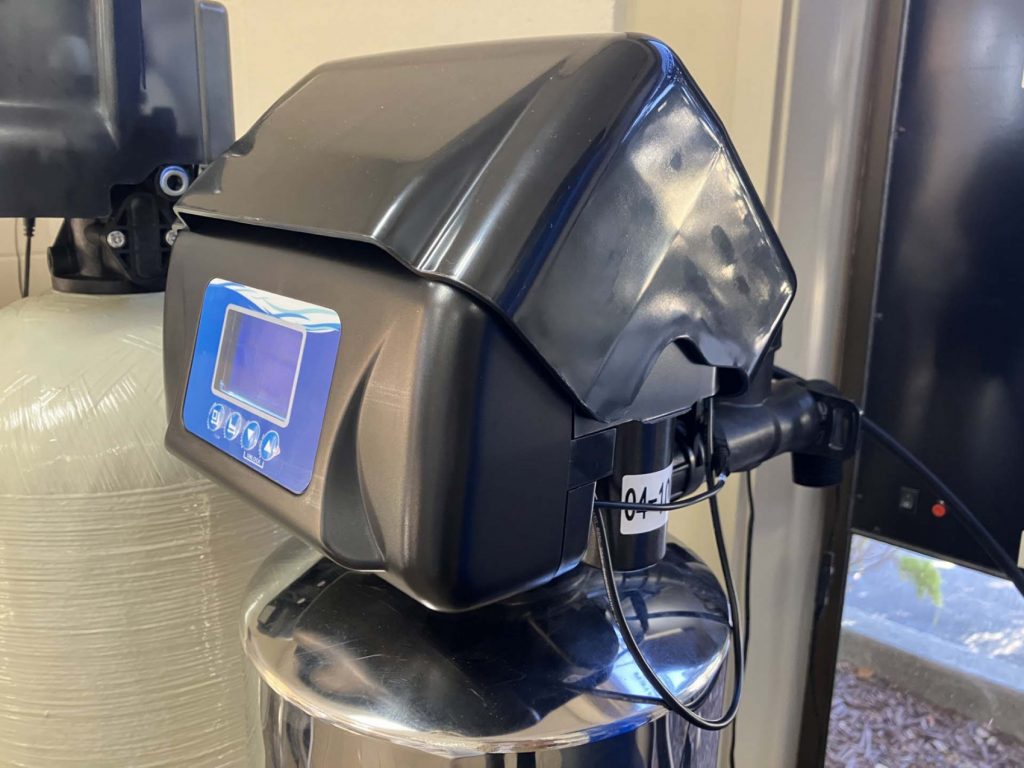
Cartridge filters are the first things to clog, and a drop in water pressure is your early warning sign. In the main control valve, parts called the piston and seals also wear over time. These are normal wear items and may need a simple rebuild after years of use.
Ceramic-Disc Valves Can Last Many Years
Some systems use a ceramic-disc style valve. These are very durable and can run for a long time with little maintenance. Just know they aren’t as easy to take apart and service as piston-and-seal valves if something does go wrong.
Filter Media Life Varies by Type and Water Conditions
The “media” inside your tank, such as iron media, carbon, or softening resin, performs the actual cleaning. Each type has a different lifespan. If your water contains high levels of iron, sediment, or hardness, the media wears out faster. If your water is gentler, it can last much longer.
How to Fix a Well Water Filtration System That Isn’t Working
If your well water system isn’t working, most problems come down to water chemistry, maintenance, sizing, or settings, and they’re fixable. Don’t ignore warning signs like pressure loss, odors, or returning hardness or iron, as minor issues can quickly escalate into bigger bills if left unaddressed.
The next best step is to test your water now, compare before and after results, and confirm the system is sized and programmed for your actual water and usage. Keep a quick log, handle the basics, and bring in help for deeper valve or media issues.
For transparency, we do sell systems, parts, and support, but our goal is clarity first. We begin with DIY checks that you can do today, suggesting professional help only when it truly adds value. If you want a second set of eyes on your numbers or settings, we’re here to help.
Read More
For a deeper look at the systems that work best for iron, sulfur, hardness, and other well water issues, see Clean Water Store’s guide to the best well water treatment options.


