_2.png)
 Request a Call
Winter Water 101: Chloramine, Dry Skin & Tap Water Taste — What’s Normal?

Winter is already rough on skin, and for many people, tap water can make dryness even worse. If you’ve noticed itchy skin, a chemical taste, or stronger chlorine-like smells in your water during the colder months, you’re not imagining it. These issues are often linked to the disinfectants cities use—especially chloramines.
This quick guide explains what chloramines are, why they’re more noticeable in winter, how they can affect sensitive skin, and when it makes sense to consider water filtration at home.
What Are Chloramines, and Are They in My Water?
Most city water meets EPA safety standards and is considered safe to drink. Public utilities use disinfectants—primarily chlorine or chloramines—to keep water free from harmful bacteria. While effective, these disinfectants can leave behind tastes, smells, and skin‑drying effects.
Even though municipal water is regulated, it’s always smart to review your local Consumer Confidence Report (CCR) to understand what’s in your tap water and how your city treats it.
Do You Need a Water Filter?
We sell water filters, but we also believe no one should buy a system they don’t truly need. Every city’s water is different: some have higher chloramine levels, some have hard water, and others have very few issues at all.
Because of this, we always recommend:
before investing in a home filtration system. Our goal is education first. Water treatment decisions must be based on your home’s actual water conditions.
Why does chloramine show up more in winter?
Many municipal water systems use chloramine, a disinfectant made from chlorine and ammonia. These chemicals remain in the distribution system longer than chlorine, especially in colder months. Winter temperatures slow chemical reactions, meaning chlorine breaks down faster, so utilities lean on chloramine for consistent protection. While it’s effective for
disinfection, chloramine can give water a slightly chemical taste or odor. Some people with sensitive skin notice more dryness or irritation.

Why does winter make chloramine tap water issues feel worse?
Cold weather means dry indoor air, hotter showers, tighter skin, and more time spent inside. When the air is dry, your nose and throat are more easily irritated. You’re more likely to notice chloramine’s subtle “pool‑like” smell or flat, bitter taste. We drink, cook, and shower indoors more during winter, so any water quality issue becomes more noticeable than it might in summer.
How does catalytic carbon remove chloramine better than standard carbon filters?
Standard granular activated carbon (GAC) works well for chlorine, but chloramine is harder to remove. Catalytic carbon is specially modified to increase reaction sites on the carbon surface, making it far more effective at breaking chloramine’s chemical bond. This means improved reduction of taste, odor, and chemical irritation. If you’re dealing with chloraminated city water, catalytic carbon is considered the premium choice.

Can hard water really make winter skin and hair feel worse?
Absolutely. Hard water minerals (especially calcium and magnesium), bind to soaps and shampoos, leaving behind residue on skin and hair. In winter, when skin is already stressed by dry air and hot showers, this buildup can lead to dullness, dryness, and that tight, itchy feeling after a shower. Inside your home, the same minerals form scale in pipes, fixtures, and water‑using appliances. When paired with chloramine, the combination becomes a common cause of winter irritation.
What easy improvements can you make for better winter water?
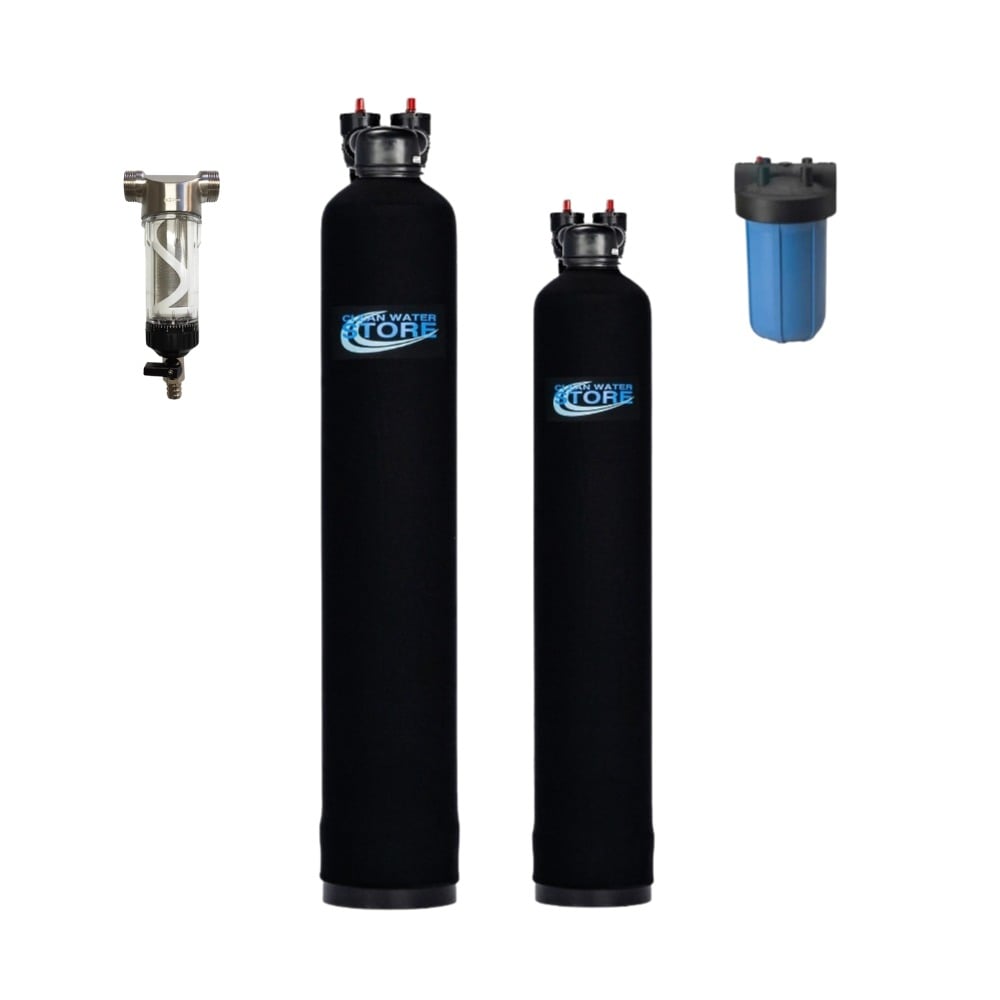
Start with whole‑house protection: a catalytic carbon filter for chloramine and a salt‑free conditioner or water softener if you have hard water will prevent scale buildup. These system combos are an effective pairing for winter skin irritations and year round wellness. This combo improves taste, reduces odor, protects plumbing, and helps your skin and hair feel noticeably better through the winter months. Even small upgrades—like using a sediment pre‑filter or addressing hard water—can have a big impact on your comfort this time of year.
Final Thoughts on Cloramines, Dry Skin and Drinking Water Quality
The best first step is to test your water if you are concerned and want to know if a water filtration system is worth it for your home.
Ready to upgrade your home’s winter water?
Right now, get a FREE stainless steel pre‑filter and stainless steel flex lines when you purchase a No‑Salt Whole House Filter System Bundle—the perfect winter wellness upgrade for cleaner, softer‑feeling water all season long.
Additional Resources
For further reading and up-to-date safety recommendations:
-
- Environmental Protection Agency (EPA) – Understanding Your Water Quality Report
At Clean Water Store, we’ve helped thousands of homeowners choose the right water filtration system and interpret their city water report. If you’d like help interpreting your test results or selecting a water filter, we’re here to help.


