_2.png)
 Request a Call
Why Is My Well Water Pump Pressure Switch So Important for My Home Water System?
Before we dive into troubleshooting or upgrades, it’s important to note that every home water system is unique. Your well pump, pressure tank, filtration equipment, and local water chemistry all work together differently. The following information is meant to help you understand your system, not to diagnose every scenario. You should always follow local codes, licensed professionals’ advice, and manufacturer safety guidelines.
What Does a Well Pump Pressure Switch Actually Do?
A pressure switch senses the water pressure in your plumbing system and tells the well pump when to turn on and off. Most homes use a 40/60 PSI or 30/50 PSI switch, meaning the pump turns on at the lower number and off at the higher number.
A properly functioning pressure switch ensures:
-
- Steady household water pressure
- Protection for the pump from over‑cycling
- Consistent performance of water filtration systems like iron filters, sediment filters, chlorination systems, and UV purification units

For homeowners who rely on well water, this little device is one of the most important parts of the entire home water filtration system.
Why Does My Well Water Pressure Switch Keep Clicking?
Customers often report “rapid clicking” or “machine-gun clicking.”
This is usually caused by:
-
- A waterlogged pressure tank
- Poor electrical connections
- A clogged or corroded pressure sensor pipe (the ¼” nipple)
- Pressure switch contacts that are burned or worn out
When the pressure tank fails to hold air properly, the pump cycles too rapidly, causing switches to wear out fast.
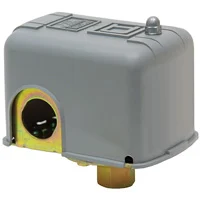
For a great primer on well pressure tank operation, the University of Georgia Extension offers an overview of private well systems:
🔗 https://extension.uga.edu/topic-areas/timely-topics/water.html
How Do I Know if I Need to Replace My Pressure Switch or Just Adjust it?
Most homeowners can safely check their switch settings (with the power OFF), but you should only adjust it if:
-
- You understand the risks
- You’re familiar with the pump system
- You follow manufacturer specifications exactly
If your water pressure fluctuates or drops suddenly, it might be due to:
-
- Incorrect switch settings
- Low pressure tank air charge
- A failing pump
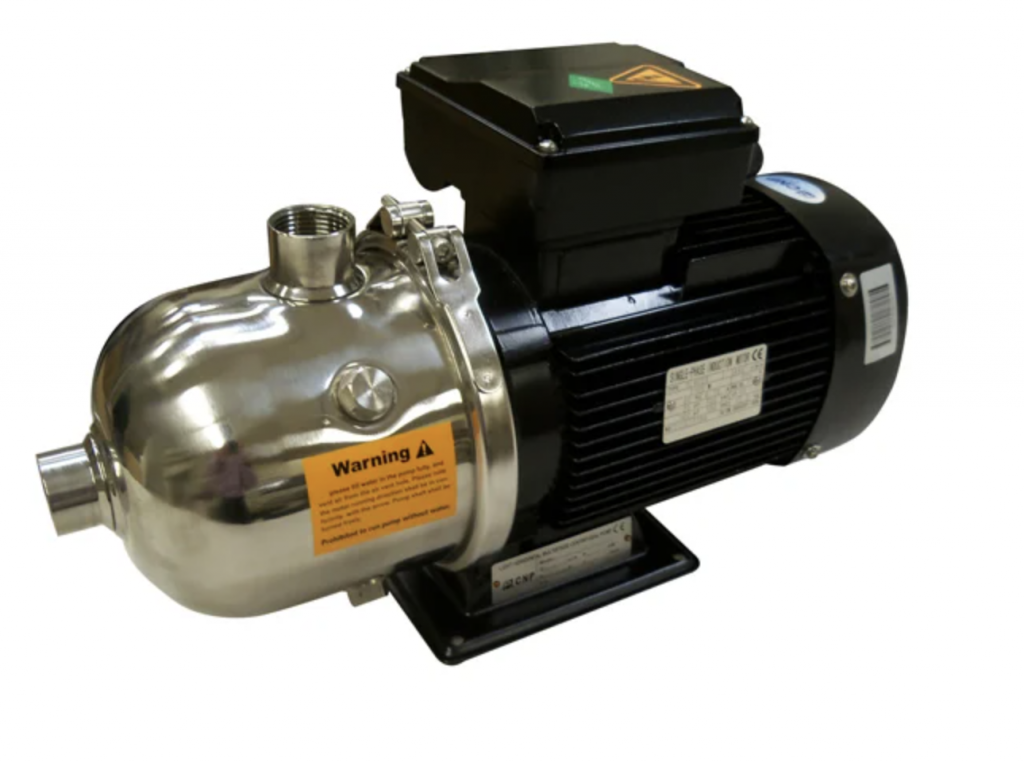
The U.S. EPA Ground Water & Drinking Water educational resources provide general well water safety considerations, find them here:
🔗 https://www.epa.gov/ground-water-and-drinking-water
If you’re unsure, Clean Water Store Tech Support can help you determine whether your switch needs adjusting or replacing. Reach out at support@cleanwaterstore.com or schedule an appointment.
Why Does My Well Pump Run but I Still Have Low Water Pressure?
This is a very common scenario. Customers often assume it’s the pump, but the issue may be:
-
- A clogged pressure switch tube (the small piece of pipe that attaches the pressure switch to the water piping)
- Scaling in the pressure sensor port
- A failing pressure tank
- Sediment buildup in pipes
- Iron or hardness fouling filtration equipment
If you’re using whole‑house iron filters, manganese systems, or reverse osmosis systems, low flow rate or sediment buildup can impact overall pressure.
The National Ground Water Association (NGWA) provides excellent homeowner education on this topic:
How Often Should a Well Pump Pressure Switch Be Replaced?
Most switches last 5–7 years, but lifespan depends on:
-
- Pump cycling frequency
- Water quality (sediment, iron, hardness)
- Proper pressure tank maintenance
- Avoiding electrical surges
Homes with high sediment or iron levels should consider adding pre-filtration to protect both the switch and the pump. Explore some of our customer’s favorite pre-filters for high iron and sediment well water issues.
Can Insects Cause a Well Pump Pressure Switch to Malfunction?
Yes — and this is one of the most overlooked causes of pressure switch failure.
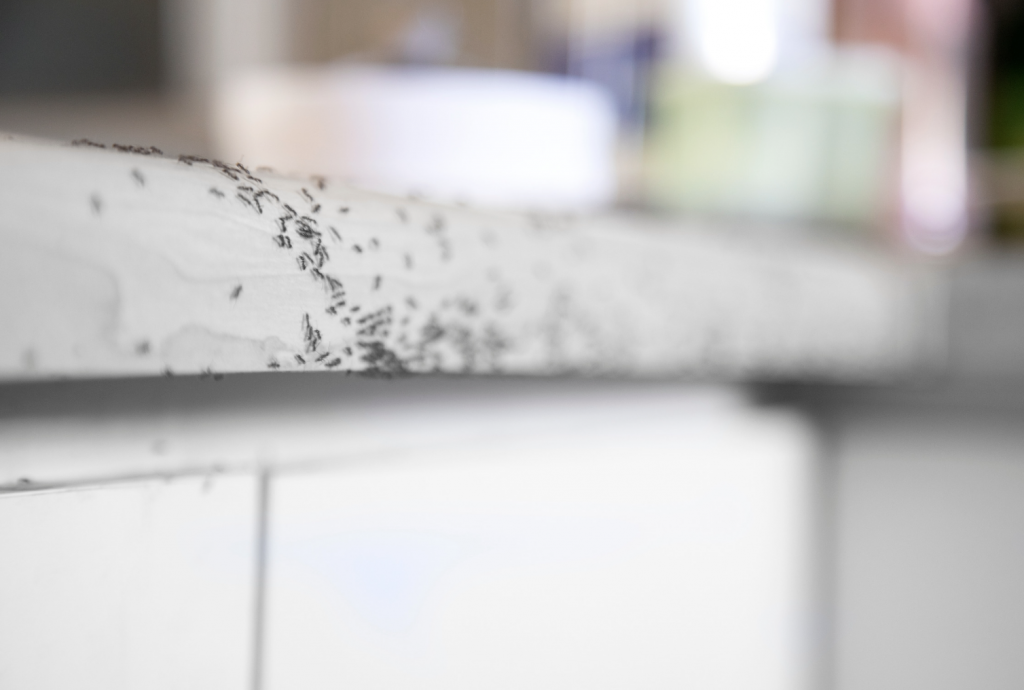
Because most pressure switches are not fully sealed, insects such as ants, earwigs, and other small crawling insects sometimes build nests inside the switch housing. They’re attracted to the warmth and in some cases to the slight electrical field.
When insects get inside the switch, they can:
-
- Interfere with the contact points
- Cause short cycling
- Prevent the contacts from closing properly
- Create intermittent electrical shorts
- Cause the pump to fail to start
In some cases, homeowners replace the switch only to have the same issue return months later — because the underlying cause was insect intrusion. If your well pump pressure switch keeps failing for no obvious reason, especially during warm weather, insect intrusion should be considered.
For additional guidance on preventing insects from entering well system components, the State of Michigan provides a public fact sheet on keeping insects out of water wells.
What’s the Best Type of Pressure Switch for My Well and Home Water Filtration System?
For most residential well water systems:
-
- A 40/60 PSI switch delivers strong, consistent pressure
- A 30/50 is common for shallow wells or older plumbing
- Heavy‑duty switches are ideal for large homes or systems with multiple filtration stages
If you’re running UV, chlorination, or backwashing iron filters from the Clean Water Store, consistent pressure is essential for correct operation.

How Do I Make My Well Pressure System More Reliable?
Here are the top upgrades for reliability:
-
- Replace the ¼” pressure switch nipple every time you replace the switch
- Add a sediment pre‑filter to reduce clogging
- Check the pressure tank air charge annually
- Use a Cycle Stop Valve (CSV) to reduce pump cycling
- Install a high-quality pressure gauge for better monitoring

These improvements help extend the life of your well pump, pressure tank, and whole-house filtration system.
What Else Should I Know About Maintaining a Well Pump Pressure Switch?
A few quick tips:
-
- Never file or sand the contacts—replace the switch if they’re burned
- Always turn off the breaker before servicing electrical components
- Drain system pressure before removing the switch
- Label your pipes and wiring for easier future maintenance
For water quality testing guidance, the CDC Private Wells Guide is a highly trusted reference:
🔗 https://www.cdc.gov/healthy-water/drinking/private-wells/index.html
At the Clean Water Store, we’re proud to offer high‑quality well water systems but even more committed to empowering homeowners with the knowledge they need to make confident decisions. We believe educated customers get the best long‑term results with their water quality, and we’re here to support you every step of the way. If you have questions or want personalized guidance, we invite you to schedule a consultation with one of our WQA‑certified experts. Your clean, reliable water is our priority, and we appreciate the opportunity to help you achieve it.

This article was last updated March 6th, 2026 by the Author.


