_2.png)
 Request a Call
Can water filtration systems reduce water pressure in my home?
Noticing weaker showers or slow-running faucets after installing a whole-house water filter? You’re not imagining it. Many homeowners wonder if their new filtration system is the cause.

At Clean Water Store, we’ve tested and installed thousands of filtration systems across the U.S. and know exactly how flow rate, system sizing, and maintenance affect household water pressure.
In this article, you’ll learn why water filters can reduce water pressure, what causes it, and how to fix it—plus which system types maintain strong flow while keeping your water clean.
Why Water Pressure Drops After Installing a Water Filter
Even the best water filter creates a little resistance as water flows through it. This resistance, called pressure drop, is completely normal and usually very small, about 2 to 3 PSI (pounds per square inch) in most homes.
To put that into perspective, the average household water pressure typically ranges between 40 and 60 PSI. A small drop of 2–3 PSI is hardly noticeable and won’t affect how your shower or washing machine performs. However, if your water pressure drops by 10 PSI or more, you might start to notice changes, such as slower faucet flow and weaker shower streams.
What Causes Low Water Pressure in Whole-House Filter Systems?
If your water pressure dropped after installing a filter, don’t worry—there are a few common reasons why this can happen, and most are easy to fix.
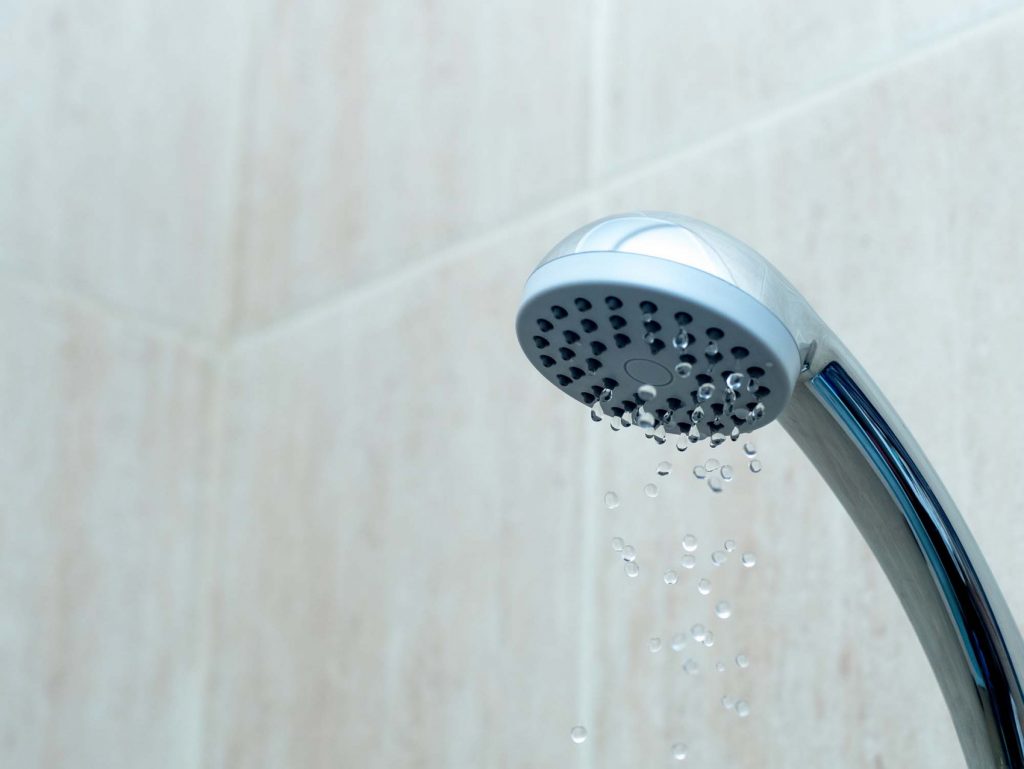
1. Clogged or Dirty Filters
Over time, filters collect dirt, sand, iron, and other particles from your water. That buildup can slow the flow, just like a clogged coffee filter. Even if the filter looks clean, a thin, slippery film (called biofilm) can still block water.
Fix: Replace filter cartridges regularly or check that your system’s backwash cycle—the automatic cleaning process—is running as often as it should.
2. Filters or Tanks That Are Too Small
If your filtration system isn’t the right size for your home, it can’t keep up with how much water you use. This is called improper sizing, and it creates a “bottleneck” that restricts flow.
For example, a small filter may work fine when one person is showering—but if someone starts the dishwasher at the same time, you might notice pressure drop.
At Clean Water Store, we size systems mainly by the number of bathrooms and the biggest water-using fixtures in your home to make sure water pressure stays steady.
General guideline:
- Homes with 1–2 bathrooms → need about 8–10 gallons per minute (GPM)
- Homes with 3–4 bathrooms → need about 12–15 GPM
- Homes with 5 or more bathrooms → need around 15–20+ GPM
3. Too Many Filters in a Row
Some systems have more than one filter, such as a sediment filter, a carbon filter, and a water softener, installed one after another. Each one slightly slows the flow, and when stacked together, that resistance adds up.
If you need multiple stages of filtration, consider a high-flow backwashing system, which can handle several layers of filtration without cutting pressure.
4. Installation or Plumbing Issues
Sometimes the problem isn’t the filter at all—it’s the plumbing. A partially closed valve, kinked pipe, or small leak can all make it seem like your filter is to blame. It’s always worth double-checking that every valve is fully open and all connections are secure.
5. The Type of Filter You’re Using
Not all filters are made the same. Filters that remove smaller particles (measured in microns) create more resistance. For example, a 5-micron filter catches very fine sediment but can slow water more than a 50-micron pre-filter, which traps only larger debris.
If your goal is to keep water flowing freely, start with a coarser (larger micron) pre-filter and use finer filters only where necessary.

How to Maintain Strong Water Pressure with Whole-House Filters
Choose the Right System Size and Flow Capacity
Proper sizing is the #1 factor. Clean Water Store systems are engineered to match your home’s peak usage so you get filtration without sacrificing flow.
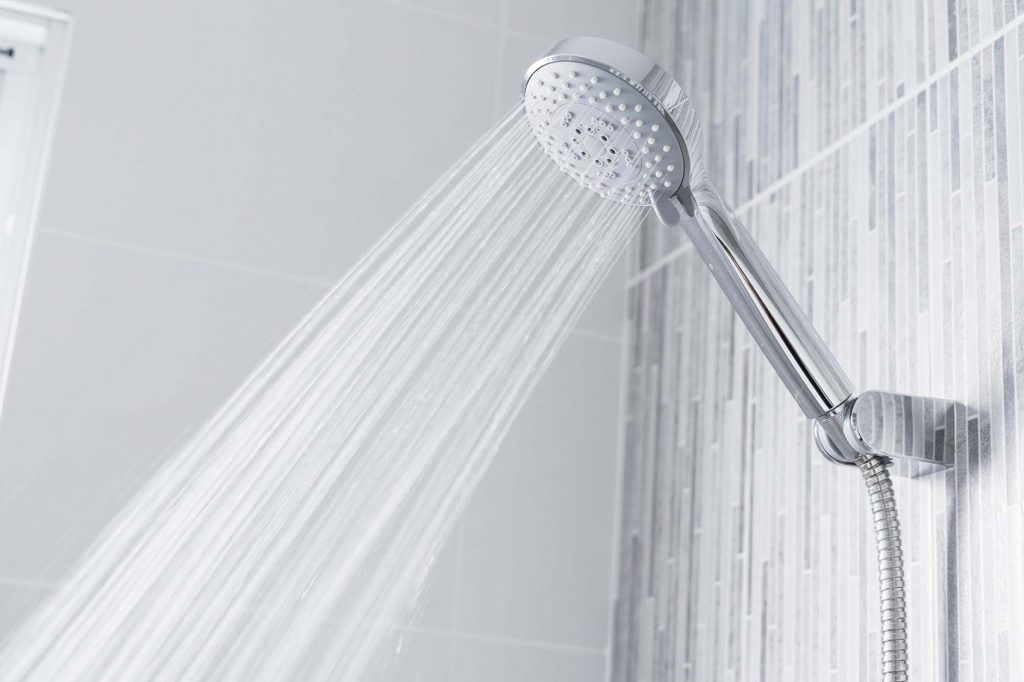
Replace or Clean Filters Regularly
Cartridge filters need changing every 3–6 months. Automatic backwashing filters self-clean, making them ideal for households with high sediment or iron.
Monitor PSI with Pressure Gauges
Install gauges before and after the system. A drop under 5 PSI is normal; more means it’s time to inspect filters or media.
Use High-Flow or Backwashing Systems
High-flow sediment and carbon filters maintain excellent GPM and require less maintenance—keeping water pressure consistent for years.
How to Fix Low Water Pressure from a Filter
If your water pressure drops after installing a filter, the first step is determining whether it’s normal or a sign of a problem. A 2–3 PSI difference is expected and typically nothing to worry about. However, a loss greater than 10–15 PSI usually indicates a clog, undersized system, or restriction somewhere in your plumbing.
Before calling in a professional, there are a few simple checks you can do yourself. Start by inspecting the pre-filters for sediment buildup, then make sure all valves and bypass settings are fully open. Confirm that your system’s backwash cycles are running correctly, as skipped or incomplete cycles can lead to trapped debris. Finally, look for leaks or any pinched tubing that could restrict flow.
- Check for clogged pre-filters
- Inspect valves and bypass settings
- Confirm backwash cycles run correctly
- Look for leaks or pinched tubing
If you’ve replaced filters and confirmed everything is open and clean, but pressure is still low, it’s time to call a professional. Persistent water pressure issues may point to improper system sizing, valve malfunctions, or plumbing design flaws—all of which require expert testing to diagnose and fix effectively.
Which Filters Keep Flow Strong?
Not all water filters affect pressure the same way. Some are designed to keep your water flowing freely while still removing sediment, odors, and contaminants.
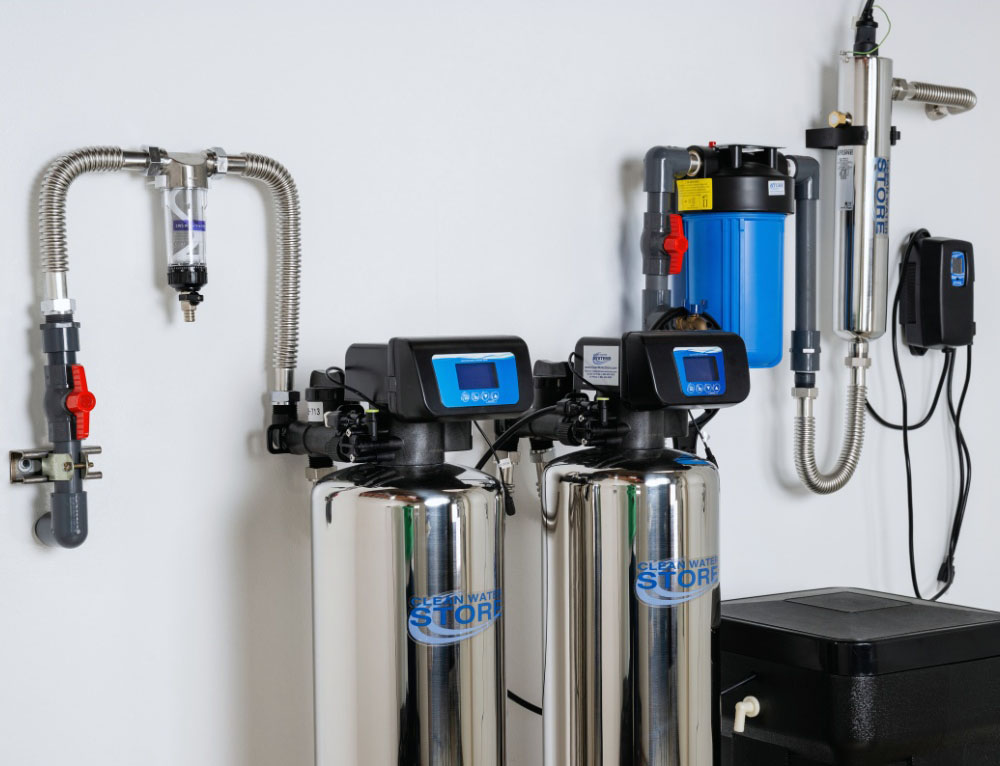
High-flow sediment filters are a great example. These filters use larger surface areas or slightly bigger openings (called micron ratings) so they can trap dirt and debris without slowing down the water as much.
Carbon filters are another common choice for improving taste and odor. If you want to keep good water pressure, look for granular activated carbon (GAC) filters rather than solid block carbon types. The looser design of GAC filters allows water to move through more easily, maintaining stronger flow throughout your home.
Finally, backwashing whole-home systems are ideal for busy households. These systems clean themselves automatically by flushing out trapped sediment on a set schedule. Because the filter media is refreshed regularly, water keeps moving through at a steady rate without the clogs that often cause pressure drops.
What Are the Next Steps If You’re Having Water Pressure Issues at Home?
Choosing the right water filtration system starts with understanding your home’s unique needs. Factors like your water quality, flow rate, and desired water pressure all play a role in finding the best setup. The right filter type and size can make the difference between steady, reliable water pressure and a system that struggles to keep up.
That’s where professional sizing and installation really matter. At Clean Water Store, our team considers key details, like your water test results, the number of bathrooms, and how much water your household typically uses, to ensure your system is powerful enough to handle daily demand without dropping pressure.
If you’ve noticed lower water pressure lately or are considering upgrading your system, it’s a good time to schedule a pressure check or system evaluation. We can pinpoint what’s causing the issue and recommend the best solution to keep your water clean, consistent, and flowing strong.
How to Maintain Clean Water and Strong Water Pressure at Home
So, can a water filter reduce water pressure? Yes—but in a well-sized, properly maintained system, the drop is barely noticeable.
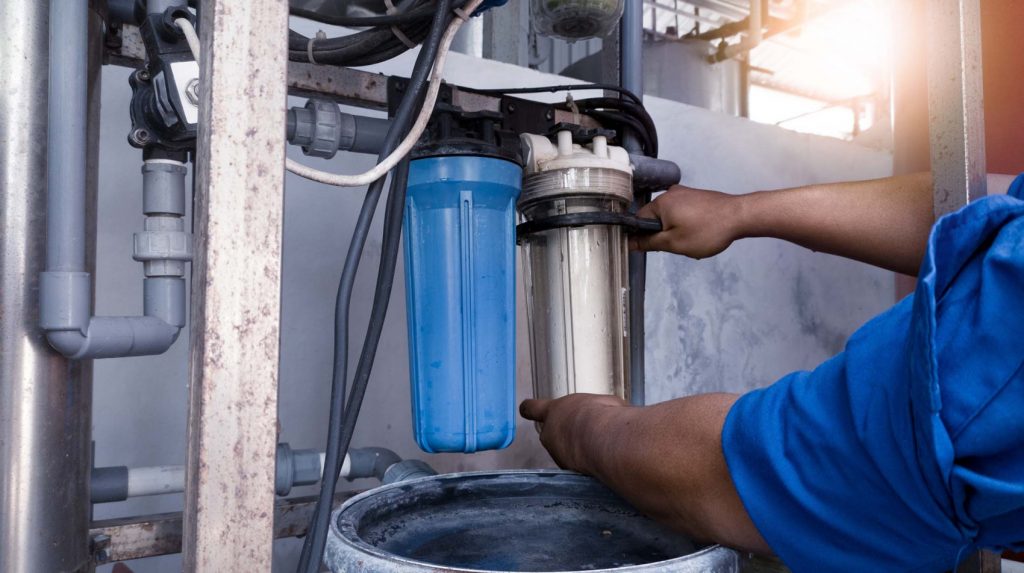
Ignoring pressure loss can mean more than weaker showers—it may point to clogging, undersized equipment, or buildup that could shorten your system’s lifespan.
The good news? You can fix or prevent low pressure by sizing your system correctly, replacing filters on time, and monitoring PSI. If your system isn’t performing like it should, a quick professional check can restore a strong, steady flow.
At Clean Water Store, we help homeowners keep water crystal clear—and pressure exactly where it should be.
Read more: Do whole-home filters use more water or electricity?


