_2.png)
 Request a Call
Catalytic Carbon vs. Hydrogen Peroxide: Which Treatment Is Better for Well Water?
What Problems Are Catalytic Carbon and Hydrogen Peroxide Designed to Solve?
Both catalytic carbon and hydrogen peroxide (H₂O₂) systems are used to treat well‑water issues like sulfur odors, iron, manganese, and organic contaminants. However, they work in fundamentally different ways:
-
- Catalytic carbon filters contaminants by oxidation and adsorption—capturing impurities on the carbon’s surface.
- Hydrogen peroxide acts as a liquid oxidizer—breaking down contaminants chemically before they travel through a filter.

While these systems address similar water problems, their strengths, maintenance needs, and long‑term performance can differ significantly. At Clean Water Store, we have extensive hands‑on experience with both types of well‑water treatment solutions. Yes, we sell these systems—but our priority is transparency and education. Our goal is to help you find the option that truly fits your unique conditions and preferences, grounded in real water chemistry data.
How Does Catalytic Carbon Work for Well Water Treatment?
Catalytic carbon acts as a powerful media that enhances oxidation and filtration. It excels at:
-
- Removing hydrogen sulfide odors (rotten‑egg smell)
- Filtering iron and manganese
- Reducing chlorine, chemicals, and organics
- Polishing water for improved taste and clarity
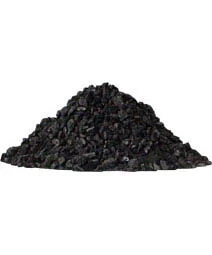
Catalytic carbon systems usually require no chemicals—just backwashing—making them a top choice for homeowners who prefer chemical‑free treatment.
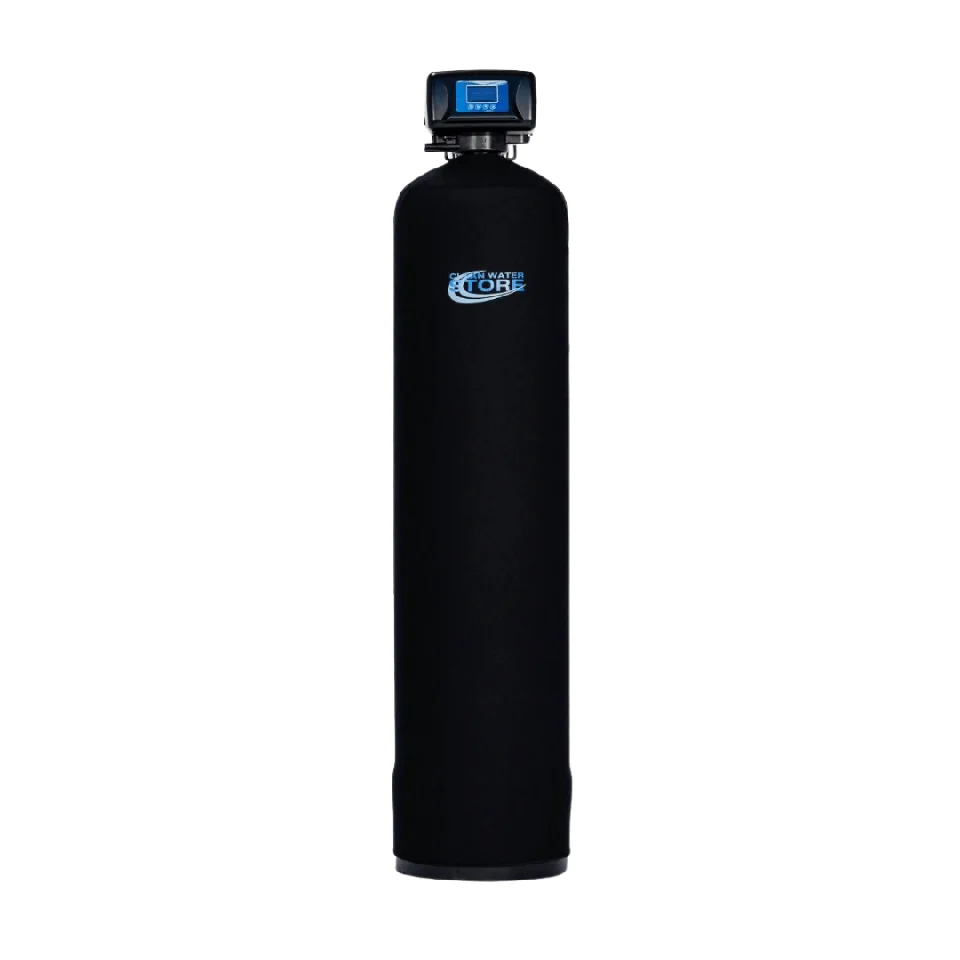
However, carbon has limits when hydrogen sulfide levels are extremely high or when iron bacteria are present.
How Does Hydrogen Peroxide Treat Well Water Problems?
Hydrogen peroxide systems inject a controlled amount of H₂O₂ into the water line. The peroxide:
-
- Oxidizes iron, manganese, and sulfur on contact
- Converts into pure water and oxygen
- Breaks down even stubborn bacteria and organics
This method works exceptionally well for:
-
- High sulfur levels
- Strong or persistent odors
- Iron bacteria
- Water with heavy organic loads
- Wells where other treatment methods have failed
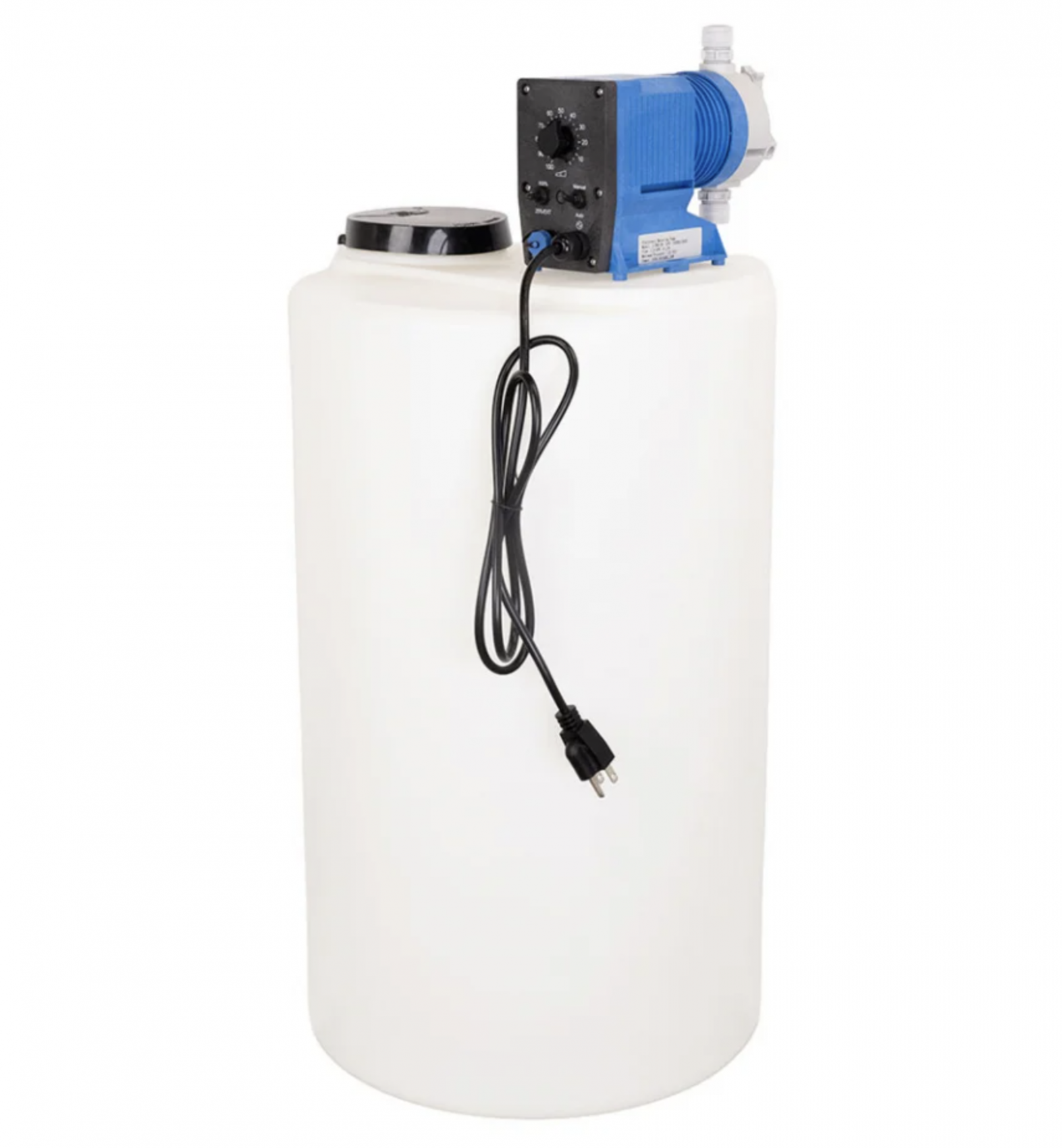
Because peroxide oxidizes contaminants instantly, it often solves harder problems that carbon alone cannot.
Which System Is Better for Odor Removal?
If odor is your primary issue, here’s the general rule:
-
- Mild to moderate sulfur smell: Catalytic carbon typically works beautifully.
- Strong, persistent, or “skunky” odors: Hydrogen peroxide is nearly always more effective.
This is why peroxide-based systems are often used in homes where rotten‑egg odor returns quickly after other filter types fail.
Which System Performs Better on Iron and Manganese?
Both systems can remove iron and manganese, but performance varies by severity:
-
- Catalytic carbon works well when levels are low to moderate.
- Hydrogen peroxide is better for high iron or iron bacteria because it prevents fouling, clumping, and slime buildup inside filters.
Peroxide’s instant oxidation gives it a big advantage when dealing with water containing both sulfur and high iron together.
Which Option Requires Less Maintenance?
Catalytic carbon systems are generally low-maintenance:
-
- No chemical refills
- Simple automatic backwash
- Media lasts several years
- Fewer moving parts
Hydrogen peroxide requires more attention:
-
- Regular peroxide refills
- Pump upkeep (tubing, calibration, cleaning)
- Occasional injector maintenance
But peroxide systems also stay cleaner internally because they constantly oxidize contaminants before they enter the filter.
What About Cost—Which System Costs More Over Time?
Upfront and lifetime costs depend on the severity of your water problem.
Catalytic carbon:
-
- Lower initial cost
- Lower maintenance cost
- Best for mild problems
Hydrogen peroxide:
-
- Slightly higher upfront cost
- Ongoing peroxide expenses
- Best long-term solution when water is severe
Homeowners often choose peroxide when carbon systems can’t fully resolve odor, iron bacteria, or organic issues—making it a “buy once, cry once” investment.
So Which System Is Truly Better for Your Well Water?
It depends on your water chemistry:
Choose Catalytic Carbon If You Have:
-
- Mild to moderate sulfur odor
- Light iron or manganese
- No iron bacteria
- Preference for a chemical‑free system
- City water with taste/odor concerns
Choose Hydrogen Peroxide If You Have:
-
- Strong sulfur smell
- High iron or iron bacteria
- Organic contamination
- Multiple issues combined (iron + sulfur + bacteria)
- Persistent problems other systems couldn’t solve
The right choice comes from a proper water test—not guesswork. At a minimum the EPA recommends testing your well water once a year. 
What if I have more questions about hydrogen peroxide or carbon based water treatment options for well water problems?
Choosing between catalytic carbon and hydrogen peroxide isn’t about which technology is “better”—it’s about which one fits your unique well‑water chemistry, your goals, and the level of severity you’re dealing with. Catalytic carbon shines for lighter issues and low‑maintenance, chemical‑free filtration, while hydrogen peroxide delivers powerful, reliable results for persistent odors, high iron, iron bacteria, and tougher water conditions.
If you’re unsure which direction to go, you don’t have to figure it out alone. Our friendly Clean Water Store experts are here to walk you through your water test results and help you choose the system that will actually solve the problems in your well.

Learn more:
About perceptible water quality issues like what causes bad tastes and odors in well water at the Water Quality Association.
What is that sulfur smell? Read about Hydrogen Sulfide and Sulfur Bacteria in Well Water from the Minnesota Department of Health.
Read more about water quality and your health on the CDC website.
Get the EPA’s List of drinking water contaminants and their maximum contaminant levels (MCLs)


