_2.png)
 Request a Call
Honest comparison of competitor claims on PFAS removal

When you look for a PFAS water filter, you’re likely concerned about what’s in your drinking water, and whether the filter you already have (or the one you’re thinking about buying) will protect your family.
PFAS, often called “forever chemicals,” don’t break down easily. They’ve been used in everything from nonstick pans to firefighting foam, and now they’re showing up in tap water across the country. With more states requiring PFAS testing and more news coverage about contamination, homeowners are looking to find solutions that protect their household, especially in cities with higher PFAS.
But here’s the tricky part: not all water filters remove PFAS, even when the branding sounds good. PFAS test results and filter performance vary widely based on lab methods, water chemistry, system setup, and maintenance. It is important to rely on certified testing, not marketing language, when choosing a system.
This guide is meant for educational purposes and should not replace certified lab results or professional recommendations.
This guide breaks down which PFAS removal technologies actually work, which brands perform well in available testing, and how to choose a filter you can trust.
Do Water Filters Remove PFAS?
The honest answer is that some do, and some don’t.
PFAS chemicals are difficult to remove, and performance varies based on several factors, including the type of filter technology, the quality of the filter media, how fast the water moves through the system, and specific water chemistry.
Right now, only three technologies are proven to reduce PFAS to meaningful levels: reverse osmosis (RO), granular activated carbon (GAC), and ion exchange. Each option has its own strengths and limitations, so the best choice depends on your home, your water quality, and whether you want to treat one faucet or your entire house.
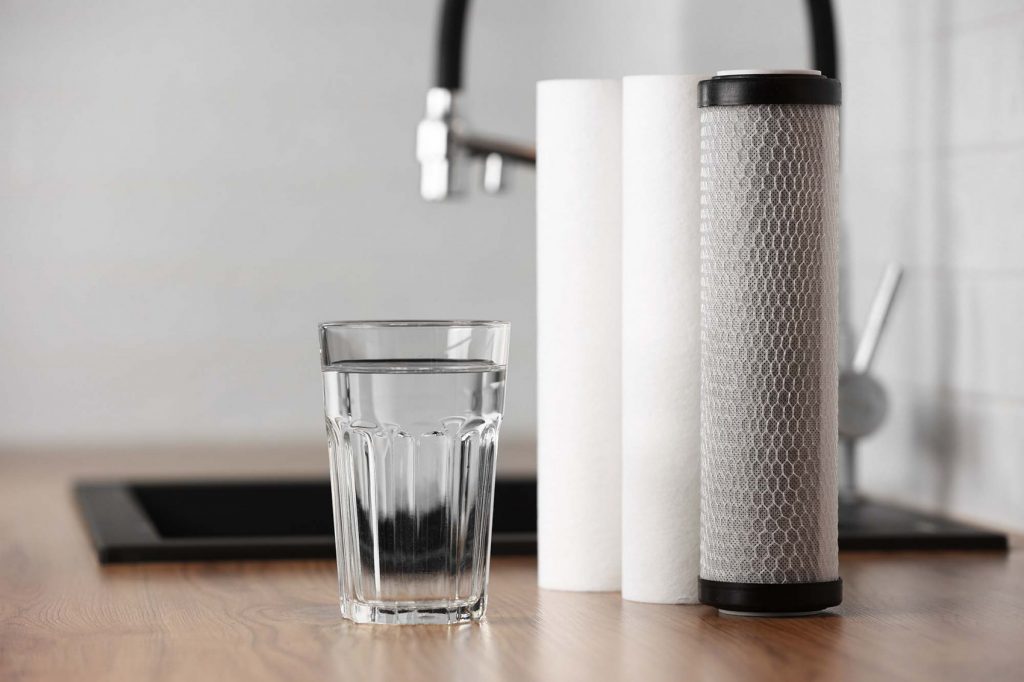
How Do Different Filtration Systems Remove PFAS?
Reverse Osmosis (RO)
Reverse Osmosis (RO) is the most consistently effective method for removing PFAS, reducing levels by up to 99%. It works by using a semi-permeable membrane that rejects contaminants at the molecular level, including many long-chain and short-chain PFAS compounds, which is why it delivers such reliable results. RO is an excellent choice when you want the highest level of PFAS reduction possible, when your PFAS levels are moderate to high, or when you only need filtered water at a single point of use like the kitchen. It’s also highly effective at reducing a wide range of other chemicals, making it ideal for drinking and cooking water.
However, RO does have limitations. Some of the systems produce wastewater during the filtration process, come with slower flow rates, and are typically installed under the sink or as a countertop unit rather than treating the whole house. RO may not be the best fit if you need filtration for every tap in your home or if your household has very low water pressure.
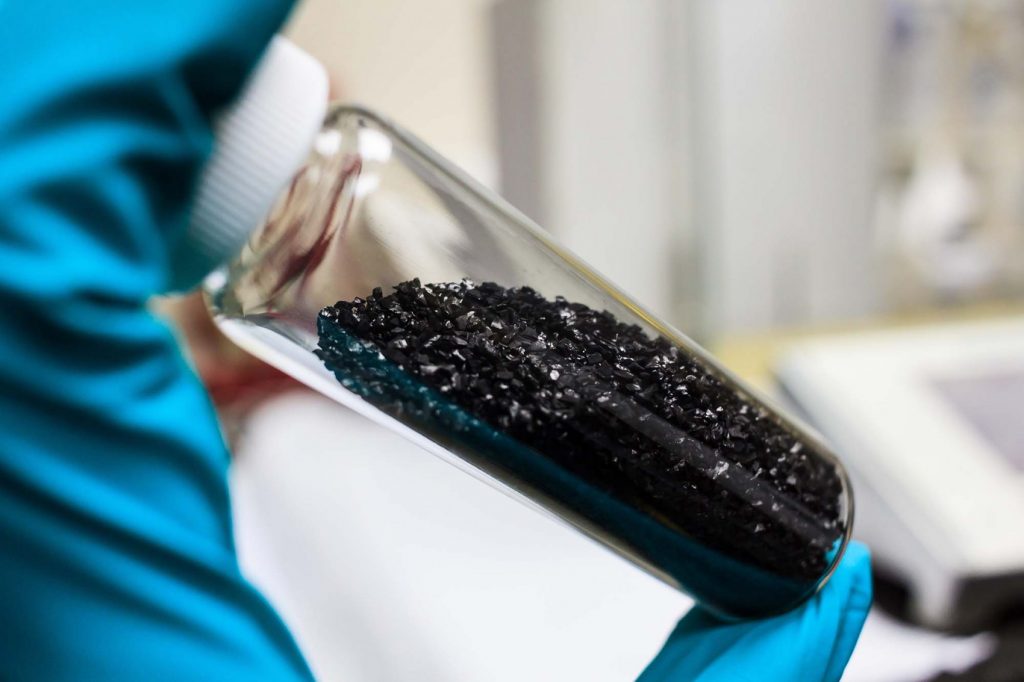
Granular Activated Carbon (GAC)
Granular Activated Carbon (GAC) filters can remove PFAS, but results vary a lot. Carbon works like a sponge, PFAS chemicals stick to the surface, but how well it works depends on the carbon quality, your water chemistry, how long the water stays in the filter, and how old the filter is. Cheaper filters often don’t work well because the water moves through too fast or the carbon isn’t high quality.
GAC filters are affordable and easy to find in pitchers, under-sink units, and whole-house systems, but they don’t last long and their performance drops quickly as the carbon fills up. Some carbon filters remove PFAS well—others barely make a difference.
Ion Exchange (Anion Exchange)
Ion Exchange (Anion Exchange) is one of the best options for removing PFAS, especially the smaller “short-chain” types that carbon struggles with. It provides strong PFAS reduction, lasts for years, and works well in whole-house systems. This makes it a great choice for homes with higher PFAS levels or for people who want PFAS removed throughout the entire home without using reverse osmosis.
How to Tell If a PFAS Filter Actually Works
Many brands say their filters remove PFAS, but only a few can prove it. The most trustworthy way to confirm a filter actually works is to look for independent certifications. NSF/ANSI 53 means the filter has been tested to reduce PFOS and PFOA, the two most common PFAS chemicals found in drinking water.
NSF/ANSI 58 applies specifically to reverse osmosis systems and confirms they can remove a wide range of contaminants, including PFAS.
The WQA Gold Seal is another reliable indicator that the filter has passed strict third-party testing for safety and performance. These labels show that a filter has real, verified results—not just marketing claims.

How to Read PFAS Test Data Without Being Misled
PFAS test results can be confusing, and many brands use them in a way that makes their filters look better than they actually are. It’s important that you look closely at what the test really shows. Some companies only test for one or two PFAS chemicals even though there are thousands, so the results don’t reflect real-world conditions. Others claim “100% removal,” but that usually comes from ideal lab setups that don’t match how the filter performs in someone’s home.
You should also check whether the company mentions flow rate, which is how fast water moves through the filter. If water moves too quickly, the filter doesn’t get enough contact time to grab PFAS, so the effectiveness drops. Slower flow usually means better PFAS removal.
Filter lifespan matters too—once the media fills up, it stops working as well. In real homes, PFAS reduction is always lower than perfect lab results, so understanding what the test data leaves out is just as important as what it includes.
Comparing PFAS Water Filters by System Type
| System Type | Best Options | Why They Work / Best For |
| Under‑Sink (RO + Advanced Carbon) | AquaTru, under‑sink RO systems | Highest PFAS reduction; ideal for drinking & cooking water. |
| Countertop PFAS Filters | Clean Water Store countertop RO units | Perfect for renters; no installation needed. NSF/ANSI 58 certified. |
| Pitchers That Actually Remove PFAS | Clearly Filtered, ZeroWater | Meet NSF/ANSI 42, 53, 401 & 473. Only a few pitchers perform well; most struggle due to weak carbon and fast flow. |
| Whole‑House PFAS Filters | Clean Water Store (GAC + ion exchange); other carbon + ion exchange systems | Treats PFAS at every tap; customizable media. Whole‑house RO is rarely practical due to cost & maintenance. Also removes chlorine and lead. |
When Do PFAS Filters Need to Be Replaced?
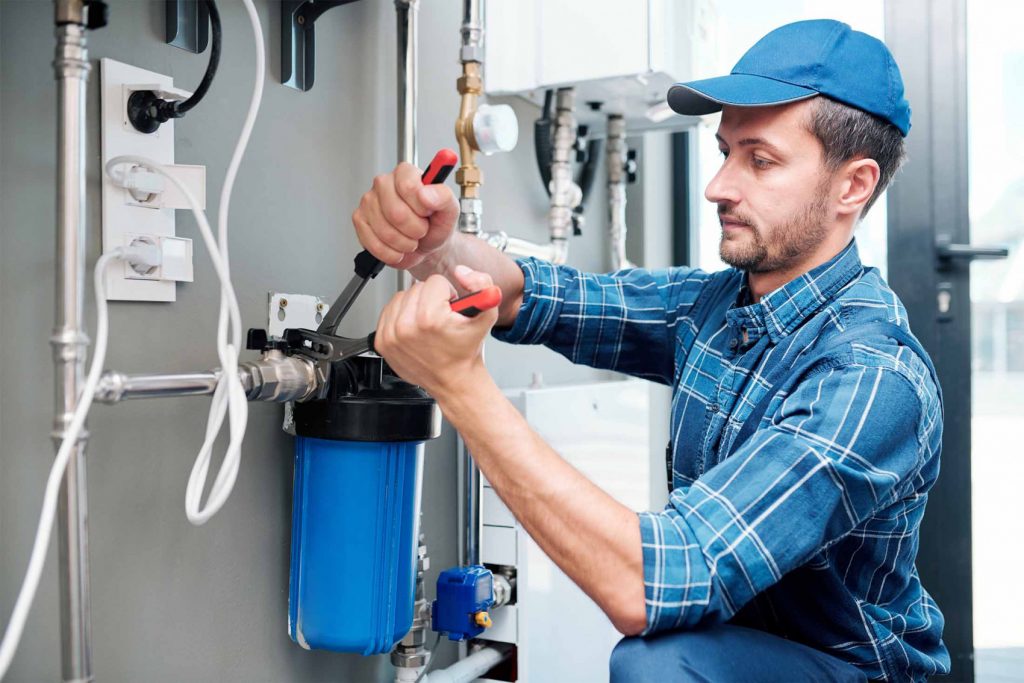
PFAS filters don’t last forever, and how well they work depends heavily on regular maintenance. Activated carbon filters usually last about 3–6 months. However, they wear out faster if your PFAS levels are high. Or if your water flows quickly, or your overall water quality isn’t great.
Ion exchange systems last much longer, typically 5 to 8 years. Their media holds up better over time, though usage and system design still affect actual lifespan.
Reverse osmosis systems have multiple parts on different replacement schedules: you’ll typically change pre-filters and post-filters every 6 to 12 months. While the RO membrane itself lasts around 2 to 3 years.
No matter the system, filters you don’t replace on time lose their ability to remove PFAS, and in some cases, can even release the contaminants they’ve trapped back into your water.
How to Check Your PFAS Levels Before and After Installing a Filter
Before and after installing a PFAS filter get your water tested so you know exactly what you’re dealing with. Certified PFAS lab tests usually cost around $300–$500. Testing is worthwhile if you’re planning to invest in a whole-house system.
When you get your results, look closely at which specific PFAS chemicals were detected and whether the report says “non-detect.” Non-detect doesn’t always mean zero—it just means the levels were too low for the test to measure. Understanding these details will give you a clearer picture of how well your filter is working.
Your Next Steps for Getting PFAS Out of Your Water
PFAS contamination is a real concern for many homeowners, but the good news is that it can be removed.
Start by getting your PFAS levels tested (especially if you’re considering a whole-house system). Compare certified filters that have proven performance and review actual test data. It is crucial to know how the filter performs under realistic conditions.
If you’d like guidance or need help understanding which system fits your home, Clean Water Store is here to help. We work with homeowners every day to size PFAS filtration systems for both city water and well water. Let our experts walk you through your lab results, product options, and next steps in plain language.
Read more: Best PFAS Water Filter For City Water


