_2.png)
 Request a Call
Which Water Softener Resin Is Better for Your Well Water System: 8% or 10% Crosslink?
Nothing is more frustrating than installing a water softener, expecting silky, spot-free water, only to find out a few years later that the resin inside the tank has already broken down. Most homeowners have no idea that water softener resin type matters, but it directly affects lifespan, performance, and how well your system handles chlorine, iron, and everyday hardness minerals.
At Clean Water Store, we’ve helped thousands of homeowners replace failing resin and choose the right media for their water. And while we do sell water treatment products, we don’t push one type of resin over another. The right choice always comes down to your unique water chemistry and what will actually solve your problem long-term, not what costs more or sounds fancy.
After seeing how often the wrong resin type shortens a softener’s life, we can confidently explain the real-world differences between 8% vs 10% water softener resin and when upgrading truly makes sense.
In this guide, you’ll learn what the two resin types are, how long they last, and—most importantly—which one aligns with your specific water needs.
What Is Water Softener Resin—and Why Does the Percentage Matter?
How Water Softener Resin Works
Inside your water softener tank are millions of tiny beads. Think of them as little magnets that grab onto hard minerals like calcium and magnesium. As your water runs through the tank, these beads “catch” the hardness and replace it with something softer—usually sodium.

In short:
- The resin beads are what actually soften your water.
- Without good resin, the softener can’t do its job.
What “8% vs 10% Crosslink” Really Means
Resin beads may look solid, but they’re actually more like tiny sponges with an internal structure that can be made stronger or weaker depending on how they’re manufactured. An 8% resin is the standard type most softeners use, while 10% resin is a denser, more durable version designed to hold up better over time.
Think of it this way: 8% resin is like a regular kitchen sponge, and 10% resin is like a sturdier, longer-lasting sponge that doesn’t break down as quickly.
Why a Stronger Resin Lasts Longer
Some water is simply tougher on resin. Chlorine in city water, iron in well water, and everyday wear and tear can all cause resin beads to weaken, break apart, or turn mushy over time. A stronger, more tightly built 10% resin holds up better because it resists chlorine damage, is less likely to clog from iron, and can handle daily stress without breaking down. This is why 10% resin often lasts years longer than 8% resin—especially in homes with chlorine or iron in the water.
Key Differences Between 8% and 10% Crosslink Resin
Side-by-Side Comparison Table
| Feature | 8% Resin (Standard) | 10% Resin (Upgraded) |
| Best For | Homes with clean, low-iron well water | Homes with chlorine, iron, or tougher water conditions |
| Durability | Good | Much stronger and more durable |
| Handles Chlorine? | Not very well — breaks down faster | Holds up much better; lasts longer |
| Handles Iron? | Okay if levels are low | Much better for iron or manganese |
| Softening Performance | Works well in easy conditions | Stays efficient longer, even in harsh water |
| Typical Lifespan | About 8–10 years | About 15–20 years |
| Cost | More affordable upfront | Costs more, but lasts longer |
When 8% Resin Is the Right Choice
8% resin works perfectly well in situations where your water is naturally gentle on a softener. If you’re on well water with no chlorine, very little or no iron, and just normal levels of hardness minerals, there’s no need to upgrade to a stronger resin. In these conditions, 8% resin does the job just fine and can last many years without issues.
It’s also a smart, cost-effective option when you’re replacing resin on a budget or when you already have good pre-filtration in place. If your water doesn’t contain anything harsh, like chlorine or iron, there’s no real benefit to paying more for the 10% version. In fact, we’ve seen homeowners with extremely clean well water get decades of use out of even lower-grade resins simply because their water chemistry was so mild.
In short, if your well water is clean, untreated, and free of problem minerals, 8% resin is a reliable, affordable choice that can last a very long time.
When 10% Resin Is the Better Investment
10% resin is worth the upgrade when your water is tougher on a softener. If you’re on city water, you almost always have chlorine added for disinfection. Over time, chlorine slowly eats away at standard 8% resin, making the beads brittle, cracked, or mushy. When that happens, the softener can’t remove hardness, and you may start noticing spots, film, or poor water quality again. Because 10% resin is denser and stronger, it stands up to chlorine much better and can often last twice as long.
It’s also the better choice for well water with iron or manganese. Even low levels of iron can coat the resin beads and clog them up, reducing how much hardness they can remove. A more tightly packed 10% resin bead is harder for iron to stick to, which means it stays cleaner and works more effectively. If your well has iron, manganese, or even a bit of sulfur odor, 10% resin will hold up longer — especially when used alongside a proper iron filter such as a Pro-Ox system.
In short: if your water has chlorine, iron, or any “problem” minerals, 10% resin does a better job of handling the abuse and keeps your softener running strong for many more years.
How Water Chemistry Should Influence Your Resin Choice
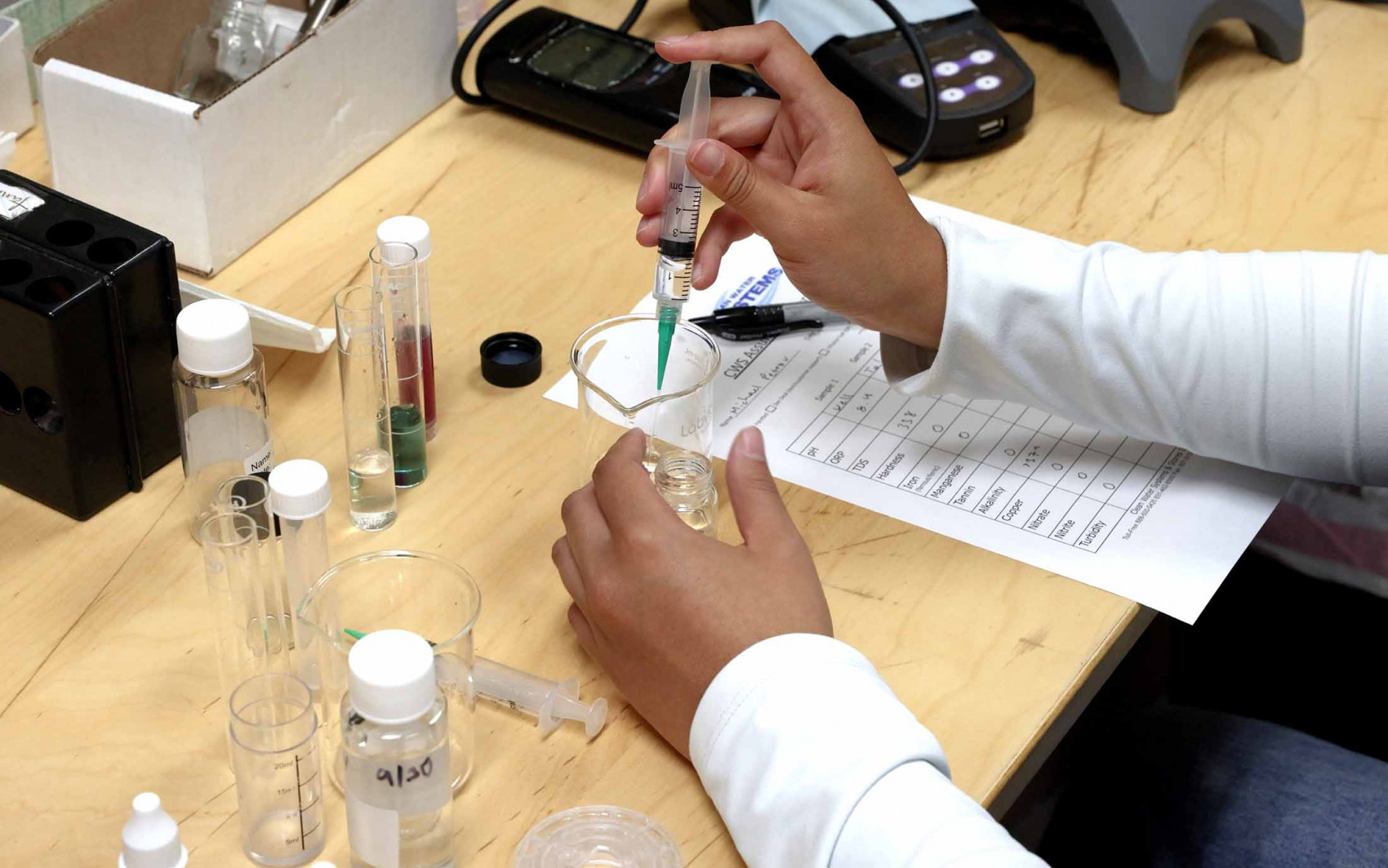
Your resin or media choice really comes down to what’s actually in your water. Factors like hardness, iron levels, chlorine or chloramine, pH, and overall mineral content all affect how long the resin will last and how well it performs. This is why testing your water first is so important. Even a basic at-home test for iron and hardness can give you enough information to choose the right resin and avoid premature breakdown.
How Long Should Water Softener Resin Last in Your Home?
Normal Lifespan Ranges
- 8% resin: ~8–10 years
- 10% resin: ~15–20 years
Signs Your Resin Is Failing
- Water feels hard again
- Softener uses more salt
- Resin beads appear in sinks or toilets
- Salty taste in softened water
- Reduced flow or channeling inside the tank
Common Causes of Early Resin Failure
Several water conditions and system issues can cause resin to wear out sooner than expected. Chlorine or chloramines (commonly added to city water) slowly break down the resin beads, making them crack or turn mushy over time. Iron fouling happens when iron in well water sticks to the beads and coats them, which prevents the softener from doing its job. Sometimes the problem isn’t the water at all — incorrect softener settings, like too little salt or the wrong regeneration schedule, can leave the resin overworked and under-regenerated.
Another common issue is simply not having proper sediment or iron filtration in front of the softener. Dirt, sand, rust, or iron particles can clog the resin bed and reduce its ability to remove hardness. And if your water has very high mineral content overall, known as high TDS (total dissolved solids), the beads have to work harder with every cycle, which causes them to wear down faster.
In short, resin typically fails early when the water is harsher than the softener was designed for, or when the system isn’t properly filtered or maintained.
How Pre-Treatment Extends Resin Life (Especially on Well Water)
Recommended Setups for Well Water
A reliable sequence is:
- Sediment filter
- Iron filter (Pro-Ox)
- Optional chlorination
- Carbon filter
- 10% crosslink resin softener
How Pre-Treatment Protects Resin
- Removes iron before it can coat resin beads
- Stops sediment from clogging the softener
- Improves resin lifespan and efficiency
Recommended Resin Types and Brands (Used by Pros)
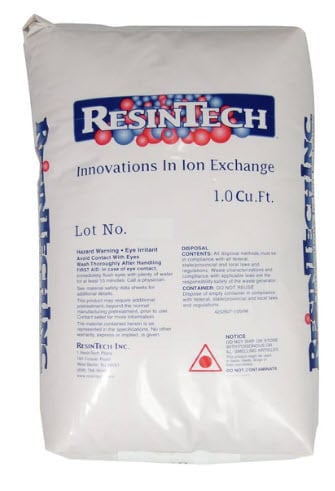
Many professionals prefer ResinTech 10% crosslink resin because it’s U.S.-made, very consistent, and known for lasting a long time—especially in water that contains chlorine or iron. There are also other helpful resin types depending on your situation. Fine mesh resin works especially well when iron levels are high, high-durability resin is designed for the longest possible lifespan, and high-capacity resin is ideal for homes with extremely hard water.
Should You Upgrade to 10% Resin?
Quick Decision Guide
Choose 10% resin if:
- You have chlorine or chloramines
- You have any iron or manganese
- You want the longest possible lifespan
- You want better long-term value
Choose 8% resin if:
- You’re on clean, unchlorinated well water
- You want the lowest upfront cost
How to Choose the Right Resin for Your Water
So yes — the real difference between 8% vs 10% water softener resin comes down to how well your water softener can stand up to chlorine, iron, and long-term wear. And for many homes, upgrading to 10% resin is the smarter, longer-lasting choice.
Choosing the wrong resin can lead to early breakdown, more salt usage, hard water issues, and a shorter softener lifespan.
The best first step is to test your water for chlorine, iron, and hardness. Once you know your numbers, choosing between 8% and 10% becomes simple.
At Clean Water Store, we’ve helped thousands of homeowners choose the right water softener resin, upgrade aging systems, and design full water treatment setups that actually last. If you’d like help interpreting your test results or selecting resin, we’re here to help.

Frequently Asked Questions (FAQs)
What’s the difference between 8% and 10% water softener resin?
Density, strength, chlorine resistance, and lifespan.
Which resin is best for well water?
Low iron: 8%
Iron or manganese: 10% or fine-mesh resin
Will 10% resin fix iron issues?
It resists fouling better but won’t remove iron by itself. Pre-treatment is still recommended.
Does a higher crosslink reduce flow?
Not in a properly sized softener.
How do I know when resin needs to be replaced?
Hard water returns, resin beads appear in plumbing, or softener performance drops.
What is the strongest water softener resin?
10% crosslink or premium high-durability resins.


