_2.png)
 Request a Call
Are there hidden fees with water filtration systems?
Buying a water filtration system for your home is a great investment in cleaner, safer water, but it can also come with a few unexpected costs if you’re not prepared. Many homeowners assume the price they see online or in the store covers everything. But after installation, there may be extra expenses for fittings, filters, or maintenance.
At Clean Water Store, we’ve helped thousands of homeowners install both under-sink and whole-house systems. We’ve seen where costs can sneak up and how to avoid surprises before they happen.

Because we offer these systems, it would be fair to assume we’d say there are no extra costs. But the truth is, most “hidden fees” aren’t really hidden—they’re just easy to overlook. Here’s what to watch for, what’s optional, and how to plan ahead so you know the full cost upfront.
What Are the Hidden Costs of Installing a Water Filtration System?
Installation Labor and Plumbing Modifications
If you’re installing a whole-home system, expect to pay extra for professional labor. While smaller under-sink filters can be a DIY project, larger systems often require a plumber. Labor rates typically range from $45 to $200 per hour, depending on where you live and how complex the setup is.
Sometimes, your home’s plumbing may need small adjustments—like new fittings, flex lines, or a short run of pipe—to connect the system properly. According to Gerry at Clean Water Store, these costs are usually minimal unless you’re relocating the system or running pipes a long distance.
Electrical and Drain Requirements
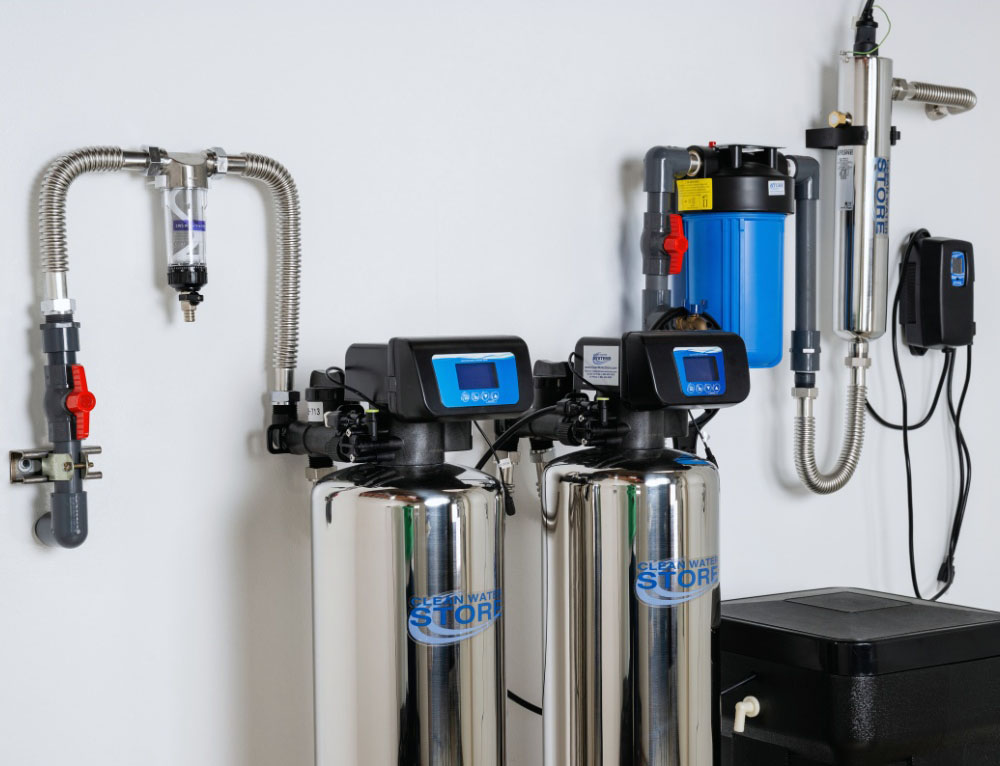
Some water systems need a power source to run certain parts. For example, softeners, iron filters, and UV purification systems use small control valves or UV lights that plug into a regular outlet—usually within ten feet. If there’s no outlet close by, your installer may need to add one.
Systems that clean or rinse themselves (called backwashing systems, like most iron filters and traditional softeners) also need a drain line to flush out the dirty water. A drain can usually be installed up to about twenty feet away, but if there isn’t one nearby, that can add a little to your setup cost.
If you choose a no-salt conditioner or upflow carbon filter, good news—those systems don’t need power or a drain. They’re simpler to install and require less ongoing maintenance.
Permits and Local Codes
In most cases, you won’t need a permit for a water filtration system. Still, some areas require a plumbing or building permit for whole-house systems, especially if you’re making plumbing modifications. These typically range from $50 to $500.
Optional Add-Ons That May Add Cost
Some extra parts aren’t required but can make your system easier to use and maintain. Most systems already include pre-filter screens and bypass valves, which are important for basic operation. You can also add isolation valves or hose bib connections—these make it much simpler to clean or service your system later without shutting off water to the whole house.
If your system is installed indoors or near finished floors, a leak detector is another smart upgrade. It can automatically shut off the water if a leak happens, helping you avoid costly damage or repairs down the road.
What Are the Long-Term Maintenance Costs of a Water Filtration System?
Once your system is installed, it’s important to budget for ongoing maintenance. Even the most efficient systems need regular care to keep your water clean and your equipment running smoothly.

Filter Replacements
Every filtration system has filters that need to be replaced at regular intervals:
- Whole-house filters: $50–$200 every 6–12 months
- Under-sink filters: $30–$100 every 6–12 months
- Pitcher filters: $15–$40 every 2–3 months
Replacing filters on time prevents buildup, protects your plumbing, and ensures your system works effectively. Skipping replacements can lead to poor water quality or even system damage.
System-Specific Maintenance
Different systems come with their own upkeep:
- UV sterilizers: Require an annual bulb replacement, usually around $100–$200.
- Water softeners: Need regular salt refills and occasional cleaning of the brine tank.
- Reverse osmosis (RO) systems: Have multiple filter stages that should be changed every 6–12 months.
Professional Service and Labor Rates
Homeowners can do most maintenance, but if you’d rather have a professional handle it, service calls typically cost $80–$100 per hour with a $200 minimum.
Energy and Water Use
Some systems use a small amount of water and electricity to stay clean:
- UV lamps and control valves use very little power—just a few dollars per month.
- Iron filters and other backwashing systems use about 140–150 gallons of water per cleaning cycle, usually once or twice a week.
If you’re on a septic system or in a drought-prone area, these numbers are worth factoring into your total cost of ownership.
What Unexpected or Situational Costs Should You Know About?
Even when installation goes smoothly, there are a few possible extras that can affect your final total.
Water Testing Before Purchase
Before buying a system, you may need to test your water to find out exactly what’s in it. Professional lab tests can cost up to $500, though many homeowners can start with a simple home test kit for less.

Change Orders During Installation
Change orders are rare, but they can happen if your setup needs last-minute adjustments—like adding a drain, resizing pipes, or fixing a low water flow rate. These modifications can add labor time or small material costs.
Repairs and Replacement Parts
Over time, parts like control valves, media tanks, or filters can wear out. Replacing small components can cost $50 to $800, depending on the part and the system type.
Restocking or Return Fees
If you order the wrong system, most companies charge a restocking fee for returns—typically around 25%. Clean Water Store often helps cover freight costs if you need to upgrade or exchange for a different model, but it’s always smart to double-check your sizing before ordering.
What Red Flags in Quotes Can Indicate Future “Hidden Fees”?
Before you sign off on an installation, take time to review the quote carefully. Some warning signs can hint at future costs that aren’t immediately obvious. For example, if the quote is missing details like fittings, installation steps, or startup commissioning, that could mean you’ll pay extra later. Phrases such as “as needed” or “not included” next to parts or labor are also worth questioning—these can hide add-on charges.
Another red flag is the lack of information about filter replacement schedules or ongoing maintenance costs, since those can add up over time. Similarly, make sure the quote clearly lists warranty coverage for both labor and system components. Finally, confirm whether the installer includes cleanup and pipe modifications after the job is done.
If anything seems unclear or missing, don’t hesitate to ask. A trustworthy company will always be transparent and explain every item on your estimate before work begins.
How to Avoid Hidden Fees and Budget Confidently
A little preparation goes a long way toward avoiding surprises. Here’s how to plan your purchase:
- Ask for a complete installation quote, including fittings, drains, and electrical needs.
- Confirm how often filters need replacing and the cost per filter.
- Ask if there’s a maintenance plan or labor warranty available.
- Verify that your installer will handle pipe modifications, testing, and cleanup.
- Compare systems based on long-term cost, not just the purchase price.
The Real Cost of a Water Filtration System
Water filtration systems don’t usually have “hidden fees,” but they do come with installation and maintenance costs that can catch homeowners off guard if they’re not aware.
Knowing these expenses upfront helps you make a more informed decision and keeps your water clean without breaking your budget.

Before you buy, request a detailed, written quote that includes installation, filter replacements, and any required plumbing work. That way, you’ll know exactly what to expect long-term.
At Clean Water Store, we believe in full transparency. We’ll walk you through every cost—from installation and fittings to annual maintenance—so you can feel confident that your investment in clean water comes with no surprises.


