_2.png)
 Request a Call
Why Does My Tap Water Taste Bad? How to Diagnose and Fix It
Bad-tasting tap water is one of the most common complaints we hear at Clean Water Store. And the most common mistake people make is jumping straight to a solution without diagnosing the cause first.

A carbon filter fixes a chlorine taste. It does nothing for a metallic taste from old pipes. A reverse osmosis system fixes high TDS and dissolved minerals. However, it could be overkill — and an unnecessary expense — if your only issue is chlorine from city water.
This guide helps you figure out exactly what is causing your water to taste bad, and what the right fix is for your specific situation — whether you are on city water or well water.
What Are the Most Common Causes of Bad-Tasting Tap Water?
Bad water taste almost always comes from one of five sources. The taste itself gives you the first clue about which one you are dealing with.
-
- Chemical or swimming pool taste: Almost always chlorine or chloramine from city water treatment
- Metallic or bitter taste: Iron, manganese, copper, or lead — from your water source or from your pipes
- Rotten egg or sulfur smell: Hydrogen sulfide — most common in well water
- Earthy, musty, or swampy taste: Organic matter, tannins, or algae — common in surface water sources and some wells
- Salty or chalky taste: High total dissolved solids (TDS), hardness minerals, or sodium — common in certain regions and well water
Each of these has a specific treatment. Matching the treatment to the cause is what gets you great-tasting water without paying for equipment you do not need.
Does My Water Taste Like Chlorine or Chemicals?
If your water has a swimming pool smell or a sharp chemical taste, chlorine or chloramine is almost certainly the cause. This is by far the most common complaint from city water customers.
Municipal water systems add chlorine or chloramine to kill bacteria and other pathogens before water reaches your tap. The EPA sets a maximum residual disinfectant level of 4 mg/L for chlorine in drinking water — but many people can taste and smell chlorine at concentrations well below that. Even water that meets all safety standards can taste unpleasant if you are sensitive to chlorine.
Chloramine — a combination of chlorine and ammonia used by an increasing number of municipalities — is more persistent than chlorine. It does not evaporate from water the way chlorine does, and it requires a different type of filter to remove.
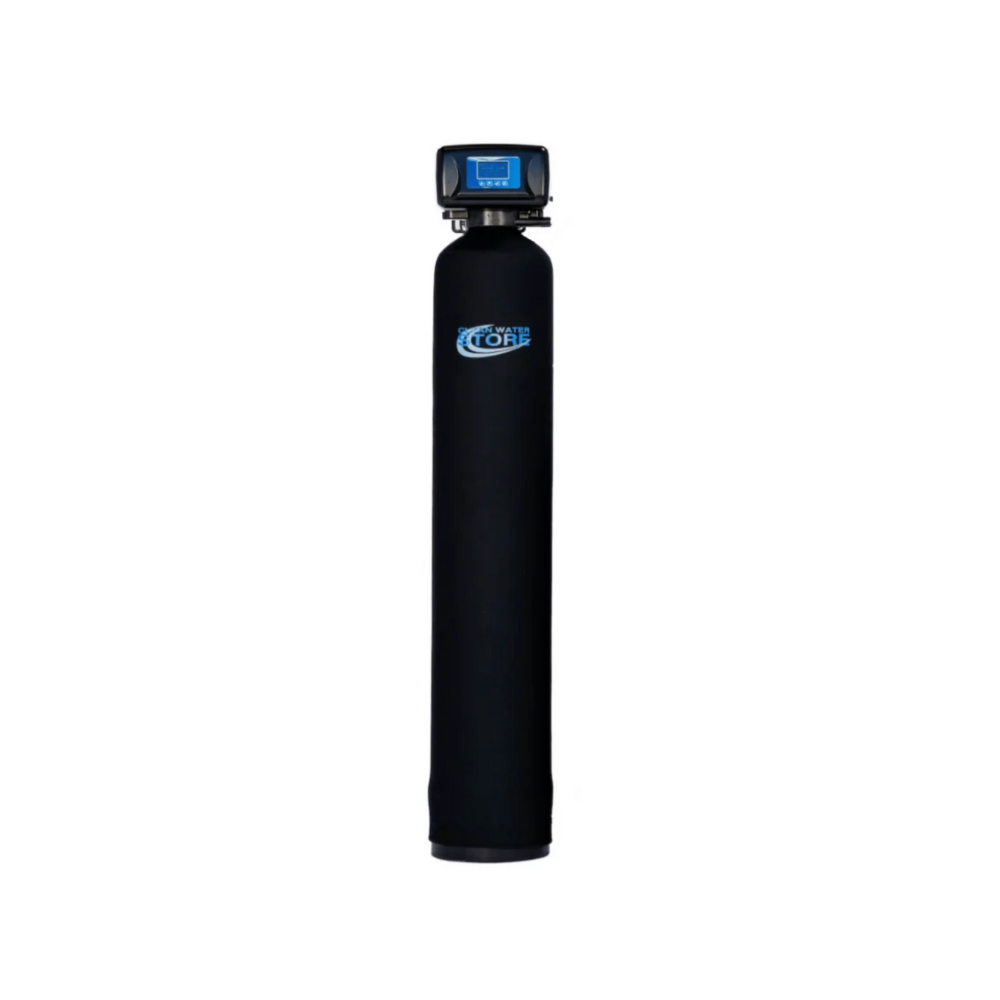
The right fix for chlorine taste: An activated carbon filter — either a whole house backwashing carbon filter or an under-sink carbon block filter — removes chlorine effectively and is the most cost-efficient solution for city water with a chlorine taste problem.
The right fix for chloramine taste: Catalytic carbon is required. Standard activated carbon does not remove chloramine effectively. If your city uses chloramine, make sure any carbon filter you buy specifies catalytic carbon media.
The EPA’s drinking water FAQ explains why disinfectants are added to water and what levels are considered safe — helpful context if you want to understand exactly what is in your city water before choosing a filter.
👉 Read more: What You Should Know About Chlorine in City Water — and How to Remove It
Does My Water Taste Metallic or Bitter?
A metallic or bitter taste is one of the most concerning water taste problems because it can indicate several different issues with very different solutions.
Iron or manganese from your water source: Common in well water and some city water. Iron gives water a metallic, slightly rusty taste. Manganese produces a more bitter, astringent flavor. Both are naturally occurring minerals that dissolve into groundwater. A water test confirms whether iron or manganese is present and at what concentration.
Copper from your pipes: Copper leaches into water from copper plumbing, particularly in newer homes where pipes are still relatively new or in homes with corrosive, low-pH water. A distinctive metallic taste that is stronger first thing in the morning — when water has been sitting in pipes overnight — is a classic sign of copper leaching.
Lead from old pipes or fixtures: Lead has no taste but can contribute to an overall metallic water quality. Lead enters water from lead service lines, lead solder in older plumbing, and brass fixtures. The CDC notes that there is no safe level of lead exposure — if lead is a concern in your home, a water test is essential.
The right fix: A water test first — always. The treatment for iron in well water (a backwashing iron filter) is completely different from the treatment for copper leaching from pipes (pH correction or point-of-use RO). Guessing the cause and buying the wrong filter wastes money and does not solve the problem.
👉 Order a water test at cleanwaterstore.com
Does My Water Smell Like Rotten Eggs?
A rotten egg smell — even a faint one — is hydrogen sulfide gas dissolved in your water. It is one of the most recognizable well water problems and is very common in certain regions. The smell can range from barely noticeable at the tap to overwhelming when you run a shower or fill a bathtub.
Hydrogen sulfide forms when sulfur-reducing bacteria break down organic matter in low-oxygen environments deep underground. It dissolves into groundwater and gets pumped up with your well water. The smell gets dramatically worse when water is heated or aerated — which is why your shower smells worse than your cold water tap.
One important diagnostic step: check whether the smell is present in cold water, hot water, or both.
-
- Smell in both hot and cold water: The source is your well water. Treatment of the water supply is needed
- Smell only in hot water: The source is likely your water heater’s magnesium anode rod reacting with sulfate-reducing bacteria. Replacing the anode rod may resolve it without treating the water supply or using a hot water odor killer.
The right fix for well water hydrogen sulfide: A chemical-free air injection oxidizing filter handles low to moderate hydrogen sulfide concentrations and also treats iron and manganese simultaneously. For higher concentrations or when iron bacteria is also present, hydrogen peroxide injection followed by a carbon filter is the more complete solution.

👉 Read more: Why Does My City Water Smell Bad? Fix Tap Water Odors
Does My Water Taste Earthy, Musty, or Swampy?
An earthy or musty taste is most often caused by naturally occurring organic compounds — specifically geosmin and methylisoborneol (MIB) — produced by algae and certain bacteria in water sources. This taste is more common in city water drawn from surface water reservoirs and in some well water sources with high organic content or tannins.
Tannins — organic compounds that leach from decaying vegetation into groundwater — produce a tea-colored, slightly bitter, earthy taste. Tannins are especially common in shallow wells and wells in areas with high organic soil content.
The right fix for earthy or musty city water: An activated carbon filter removes geosmin and MIB very effectively. Most earthy taste complaints from city water are solved completely with a good whole house carbon filter or under-sink carbon block.
The right fix for tannins in well water: Tannins require a specialized treatment — a tannin filter using anion exchange resin. Standard carbon filters are not effective against tannins at the concentrations commonly found in well water. A water test first confirms whether tannins are the cause.
Does My Water Taste Salty, Chalky, or Flat?
A salty taste in tap water is usually caused by high chloride or sodium levels — either naturally occurring in the water source or from water softener salt that has carried over into the drinking water supply. In coastal areas, saltwater intrusion into aquifers is another possible cause.
A chalky or slightly bitter taste with no odor is often hardness — high calcium and magnesium content. Water hardness alone is not a health concern but it does affect taste and leaves scale deposits on everything the water touches.
A flat or empty taste is often the opposite problem — water that has been treated so thoroughly (by distillation or reverse osmosis without remineralization) that it has lost the mineral content that gives water its fresh, crisp flavor.
The right fix for salty or high-TDS water: A reverse osmosis system at the kitchen sink removes dissolved salts, minerals, and other dissolved solids effectively. RO produces the highest purity drinking water available for home use and eliminates salty and chalky tastes completely.
The right fix for flat RO water: Add a remineralization stage after the RO membrane. This restores beneficial minerals in controlled amounts — giving you the purity of RO water with a crisp, natural taste.
The EPA’s secondary drinking water standards cover aesthetic contaminants like chloride, iron, and manganese that affect taste and odor but are not health-based regulations — useful background on what levels are considered acceptable for taste.
How Do I Know What Is Actually in My Water Before Buying a Filter?
A water test is always the right first step. Your taste and smell symptoms give you clues, but a water test gives you facts. It tells you exactly what is in your water and at what concentration — which determines which treatment technology is appropriate and how it should be sized.

For city water customers, your municipality publishes an annual Consumer Confidence Report (CCR) that lists all detected contaminants and their levels. This is a useful starting point. However the CCR reflects averages across the distribution system — not necessarily what is coming out of your specific tap, which can be affected by local pipes, your home’s plumbing, and your distance from the treatment plant.
For well water customers, there is no regulation and no annual report. You are responsible for testing your own water. The CDC recommends testing private well water at least once a year for bacteria, nitrates, pH, and other contaminants — and more often if you notice changes in taste, odor, or appearance.
👉 Order a water test at cleanwaterstore.com
What Is the Best Filter for Improving Tap Water Taste?
There is no single best filter — it depends entirely on what is causing your bad taste. Here is a quick reference guide:
-
- Chlorine taste (city water): Whole house activated carbon backwash filter or under-sink carbon block filter
- Chloramine taste (city water): Whole house catalytic carbon filter — standard carbon is not sufficient
- Iron or metallic taste (well water): Backwashing iron filter sized for your flow rate
- Rotten egg smell (well water): Air injection oxidizing filter for low to moderate levels; hydrogen peroxide injection for higher levels
- Earthy or musty taste (city or well water): Activated carbon filter for city water; tannin filter for well water
- Salty or chalky taste / high TDS: Under-sink reverse osmosis system
- Flat RO water: Remineralization stage added after RO membrane
For city water customers with a simple chlorine taste problem, a good carbon filter is all you need and it is one of the most affordable water treatment solutions available. Do not overpay for a reverse osmosis system if a carbon filter solves your problem.
For well water customers, the answer is almost always more complex because well water often has multiple issues simultaneously — iron and hardness, or sulfur and sediment. A comprehensive water test is the only way to know what you are actually dealing with before investing in treatment equipment.
👉 Read more: Whole House Chlorine and Chloramine Water Filtration Systems
👉 Read more: Do Water Filtration Systems Actually Make City Tap Water Taste Better?
Does Reverse Osmosis Make Tap Water Taste Like Bottled Water?
Yes — with one caveat. A reverse osmosis system removes virtually all dissolved solids, minerals, chemicals, and contaminants from drinking water. The result is very pure water that is similar in quality to many bottled waters.
However, highly purified RO water without remineralization can taste flat or empty to people accustomed to the slight mineral taste of natural water. This is not a safety issue — it is purely a taste preference. Adding a remineralization stage to your RO system restores beneficial minerals in balanced amounts and produces water that tastes crisp, clean, and refreshing rather than flat.
RO is the right solution when your water has high TDS, nitrates, arsenic, lead, PFAS, or other dissolved contaminants that carbon filters cannot address. If your only issue is chlorine taste from city water, RO is more than you need — and a carbon filter will solve the problem at a fraction of the cost.
👉 Read more: Do Water Filtration Systems Remove Healthy Minerals from Water?
What Should I Do First If My Tap Water Tastes Bad?
Start by identifying the symptom — chemical, metallic, sulfur, earthy, or salty. That narrows down the likely cause. Then test your water to confirm it before buying anything. A water test takes the guesswork out completely and ensures you choose the right treatment the first time.
At Clean Water Store, we review water test results every day for city water and well water customers across the country. We help you find the right solution for your specific water — and we will always tell you the simplest, most affordable fix that actually solves the problem.
Order a water test or chat with a water specialist at cleanwaterstore.com
What You Should Know About Chlorine in City Water
Complete Guide to Whole House Water Filtration for City Water
Do Water Filtration Systems Actually Make City Tap Water Taste Better?

Article last updated May 4th, 2026 by Author.


