_2.png)
 Request a Call
Should I Use a DIY Water Test Kit or Send My Water to a Certified Lab?
 Nothing is more frustrating than needing to test your water, but not feeling confident about which test will give you the right answers. Should you grab a quick DIY kit for fast results, or invest in a certified lab test for deeper accuracy? Choose wrong and you could overlook real risks or spend money on the wrong fix.
At Clean Water Store, we’ve tested thousands of samples and helped homeowners across the country design systems that actually solve their problems.
We sell test kits and lab tests, so it’s fair to wonder if we prefer one. Our priority is ensuring you select the right tool for your water needs, rather than the one that’s easiest to sell.
In this guide, you’ll learn when a simple DIY kit is enough, when a professional lab test is the smarter move, and how to decide with confidence
What Are The Benefits And Drawbacks of DIY Water Test Kits?
Which Water Problems DIY Kits Can Detect?
DIY kits are fast, affordable, and easy to use. They help spot aesthetic issues (like chlorine taste, odors, or cloudy water) and operational concerns (such as hardness that affects plumbing and appliances).
What they can’t do is measure health-related contaminants like arsenic, lead, nitrates, or bacteria with accuracy. Those require a certified lab test.
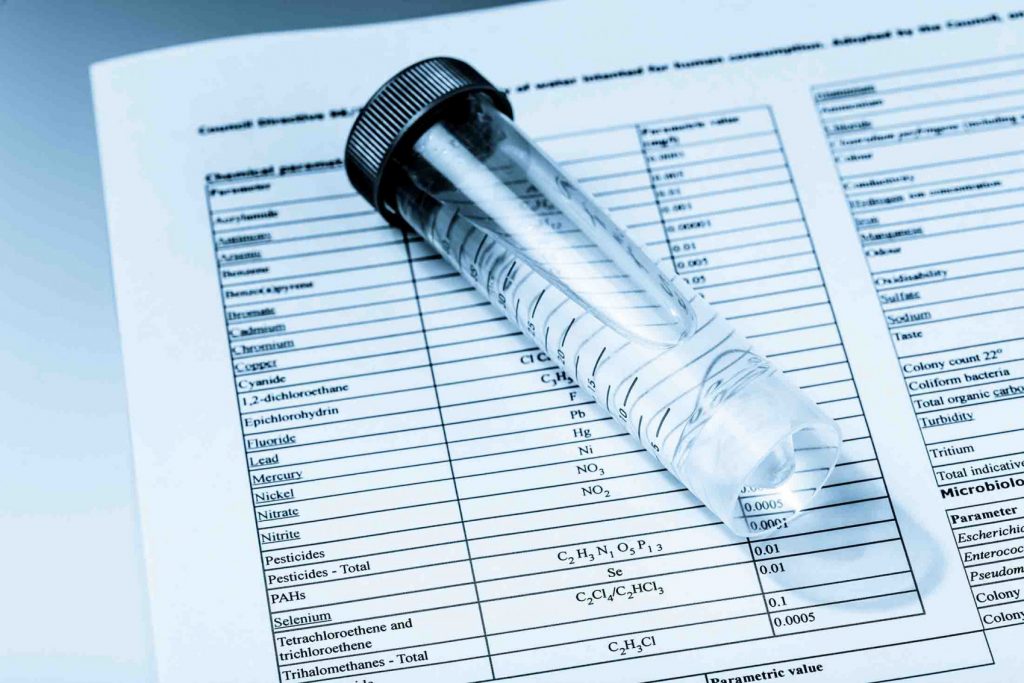
They’re best for detecting:
- pH – shows whether your water is acidic or alkaline, which matters for corrosion and plumbing health.
- Hardness – measures calcium and magnesium levels that cause limescale buildup.
- Iron and manganese – common culprits behind rust-colored stains in sinks, tubs, and laundry.
- Chlorine – indicates how much disinfectant is left in your water if it’s been chlorinated.
Advantages of DIY Testing
- Results in minutes or hours
- Low cost (often $20–$50)
- Great for routine checks between lab tests
- Useful for verifying the performance of systems like softeners or reverse osmosis
Limitations of DIY Kits
- Cannot measure health-related contaminants like arsenic, lead, uranium, PFAS, or pesticides
- Results are often yes/no instead of precise levels
- Even if something concerning shows up (like nitrate), results should always be confirmed with a lab test
- Use DIY kits for everyday nuisances like stains, odors, or scale, not to rule out health risks.
When a Certified Lab Water Test Is Required
Contaminants Only Labs Can Detect
Lab tests are comprehensive, accurate, and legally recognized. They provide precise concentrations and catch contaminants that DIY kits miss.
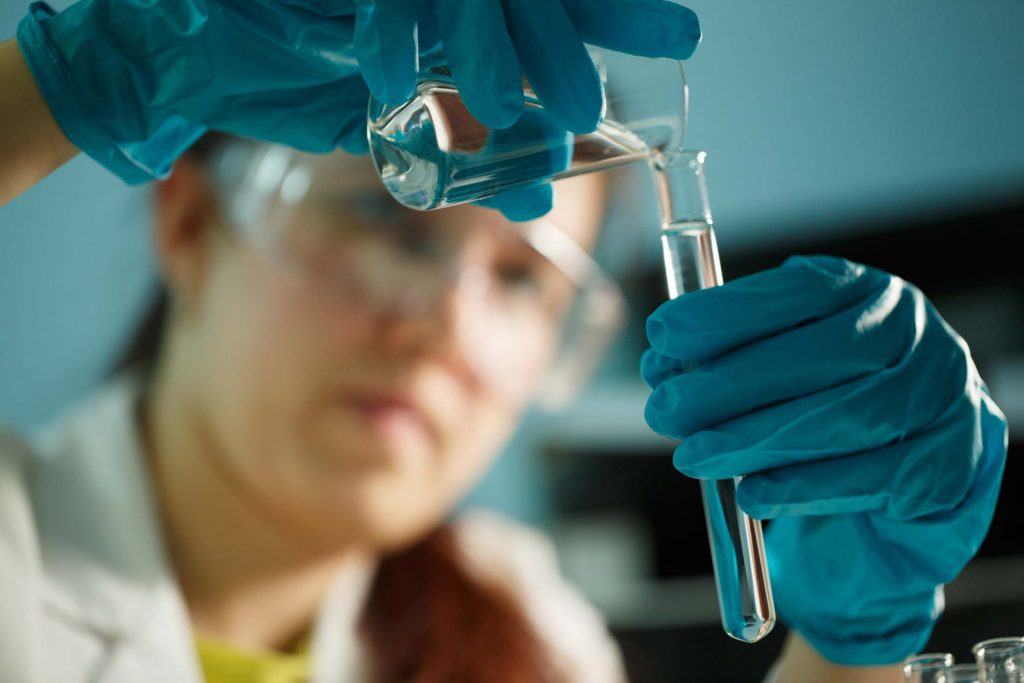
Essential for testing:
- Health-related contaminants – Detects dangerous substances like microplastics, radon, arsenic, nitrates/nitrites, lead, uranium, pesticides, VOCs, and PFAS that can directly impact health.
- Microbiology – Identifies bacteria such as total coliform and E. coli using certified laboratory methods.
- Exact levels of key water parameters – Provides precise measurements of hardness, iron, manganese, chlorine, and other minerals/metals so systems can be correctly sized and adjusted to meet compliance standards.
- Transactions and compliance – Supplies certified documentation often required for real estate transactions, mortgage lenders, or state regulatory agencies.
Advantages of Lab Testing
- Certified accuracy with chain-of-custody documentation – Ensures results are verified and defensible for legal, real estate, or compliance purposes.
- Defensible reports that meet regulatory standards – Accepted by state agencies, lenders, and health departments.
- Broad panels that detect dozens of contaminants at once – Saves time and helps identify hidden water quality issues.
- Legally recognized results – Required for many property sales, mortgage approvals, or business permits.
Disadvantages of Lab Testing
- Higher upfront cost – Certified lab tests can cost more than DIY kits, especially for full panels that test dozens of parameters.
- Longer turnaround time – Results typically take a few days to a week, compared to the instant readings of at-home kits.
- Shipping requirements – Some tests require proper sample handling or overnight shipping to maintain accuracy.
- Not ideal for quick checks – If you only want a fast look at hardness or chlorine levels, a simple DIY kit may be more convenient.
Bottom line: A lab test is the best choice when you need peace of mind about health, compliance, or accuracy — especially if your results will be shared with third parties or tied to legal or financial requirements.
How to Decide: DIY vs. Lab Testing
The Key Distinction: Health vs. Aesthetic
The key difference between DIY and lab testing comes down to what you’re measuring and why it matters. DIY kits are best for spotting aesthetic and operational issues—things like pH levels, hardness that causes scaling, or staining from iron. These indicators are useful for understanding how your water looks, feels, and interacts with plumbing and appliances, but they don’t tell the whole story.
Lab tests, on the other hand, focus on health-related concerns such as bacteria, heavy metals, pesticides, or chemicals that can’t be accurately measured with a strip or drop kit. If a DIY kit flags something concerning, like elevated nitrates, it’s always important to confirm with a certified lab to ensure accuracy and safety.

Location Matters
- Near farms or crop fields: Higher risk for nitrates, herbicides, pesticides → test annually at a lab.
- Remote/mountain areas: Lower risk, but still do annual bacteria/nitrate and a full lab panel every 3–5 years.
- New well or first-time homeowner: Start with a comprehensive lab test baseline.
- On city water: Utilities already test extensively for safety, but old plumbing can introduce lead — consider a point-of-use lead test if concerned.
Some Common Scenarios and What Type Of Testing Is Best Suited For Them
- If you’re doing routine checkups or checking system performance, then a DIY test is usually sufficient.
- If you have a new well or you’re a first-time homeowner, then a comprehensive lab test is the best starting point.
- If your water suddenly looks, tastes, or smells off, then start with a DIY test and confirm with a lab test if anything concerning shows up.
- If babies, elderly family members, or anyone with a compromised immune system lives in the home, then a lab test is the safest choice.
- If you’re buying or selling property, then a lab test is often required to meet lender or real estate requirements.
- If your home is near farms or industrial activity, then a lab test should be done annually to check for pesticides, nitrates, or other chemicals.
Rule of thumb: Use DIY kits for quick insights. Use lab tests for health, compliance, and treatment design
How Often Should You Test Your Water?
- Every year: Lab test for total coliform/E. coli and nitrates
- Every 3–5 years: Comprehensive lab panel for metals, minerals, and chemicals
As needed between labs: DIY checks for pH, hardness, iron, chlorine, or softener/RO performance
Choosing the Right Test Protects Your Health and Home
DIY kits are best for quick check-ins; certified lab tests are the right choice when health, compliance, or accuracy matter. You now know when to use each.
Choosing the wrong test can miss real contaminants, waste money on the wrong fix, and keep you uncertain about your water.
Decide based on your situation: use a DIY kit for routine snapshots, or order a certified lab test if you need definitive results (health concerns, new well, real estate, or recurring problems). Test, review the numbers, then match treatment to the results.
Clean Water Store has helped thousands of families test and treat well water. If you want a second set of eyes on your results or help choosing the right test, share your water report and household details, and we’ll suggest practical next steps.


