_2.png)
 Request a Call
What Are the Best Water Filtration Systems for Removing Lead from Tap Water?
Lead can enter drinking water when lead service lines or in-home plumbing corrode, especially where water is more acidic or has low mineral content. Which is why it’s critical to choose a filter that’s independently certified for lead reduction rather than one that just “improves taste.”
In this article, we will talk about the most relevant, trusted certifications to look for and answer questions that customers ask us every day. While we recommend Clean Water Store filtration solutions for protecting your family from lead, we aim to give our readers independent and trusted resources to help pick water filtration and treatment equipment confidently, whether you buy from us or someone else.

What Water Filters Remove the Most Lead from Tap Water?
When shopping for a water filter to protect your household from lead, the main certifications to look for are NSF/ANSI Standard 53 (for health-related contaminant reduction, including lead) and NSF/ANSI 58 (for reverse osmosis systems, which can also be certified for lead reduction).
In independent evaluations, two categories lead the pack for removing lead:
Reverse Osmosis (RO) systems, look for certified to NSF/ANSI 58 for performance and lead reduction, and
Filters certified to NSF/ANSI 53 specifically for lead.
Clean Water Store Reverse Osmosis (RO) Pick for Lead:
For lead removal in drinking water, our NSF certified reverse osmosis systems are recommended.

Clean Water Store Whole-Home Pick for Lead:
PIONEER™ Lead, PFOA, PFOS, PFAS & Cyst Whole-House Filtration System
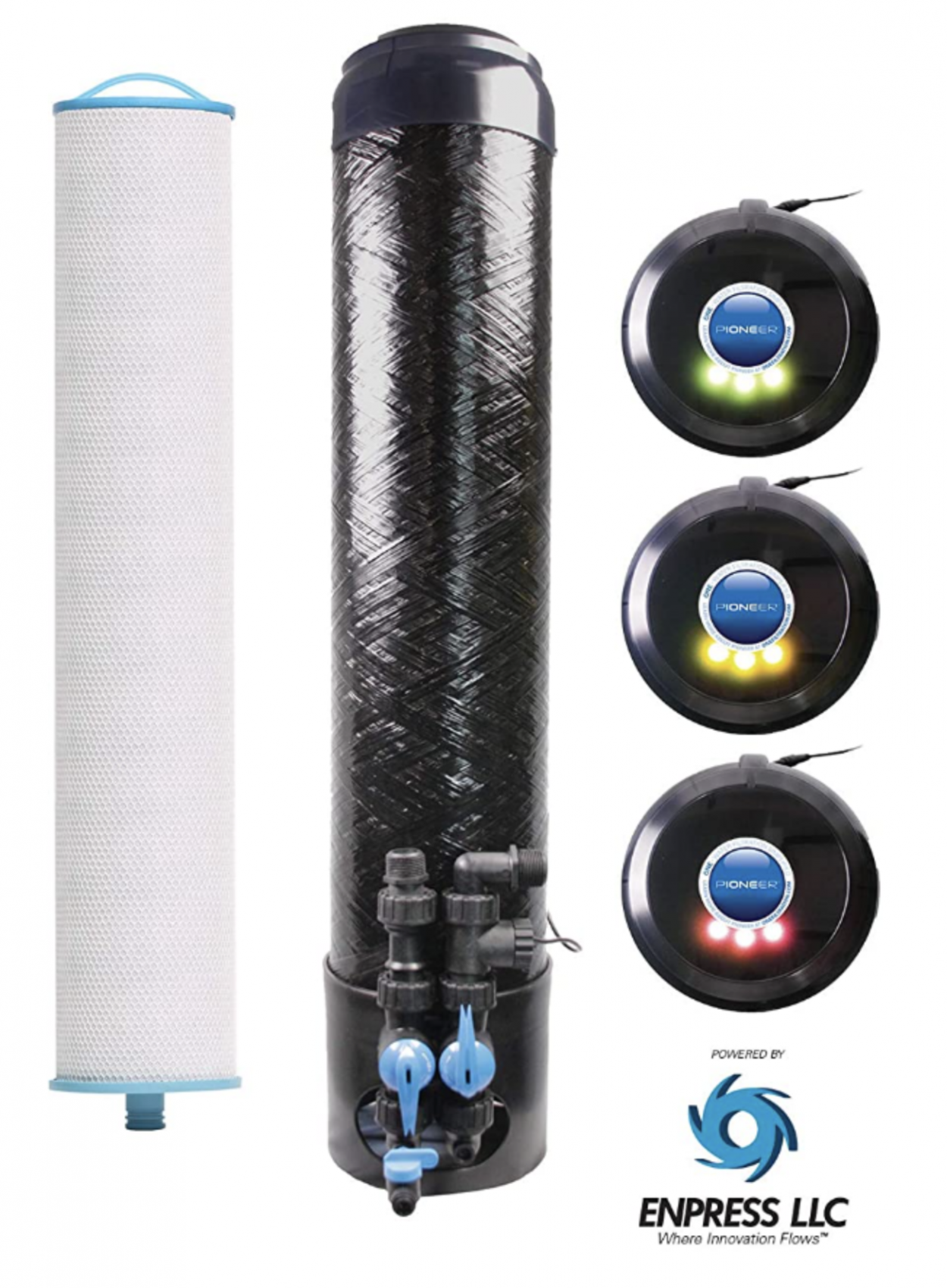
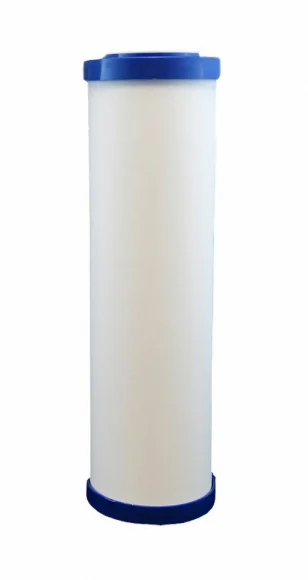
This filter is NSF/ANSI 53-certified for lead and P473-certified for PFAS, using a 0.5-micron cartridge to remove both soluble and particulate lead at the point-of-entry so every tap benefits. The system includes an LED life monitor. The cartridge is typically replaced at ~100,000 gallons/year (pre-filtration recommended).
What Are the Best Under-Sink Filters for Lead Removal?
If you want high protection at the kitchen sink, under-sink RO or NSF/ANSI 53-certified carbon systems are also a safe bet.
Clean Water Store Under-Sink Options (POU):
Clean Water Store offers multi-stage carbon block under-sink systems that improve taste/odor (chlorine), reduce particulates, and are a popular, affordable path to better drinking water:
- Carbon Block Filter System (1-Stage) + Faucet
- Carbon Block + Pre-Filter (2-Stage) + Faucet
- Carbon Block + Pre-Filter (3-Stage) + Faucet, our best-performing under-sink option
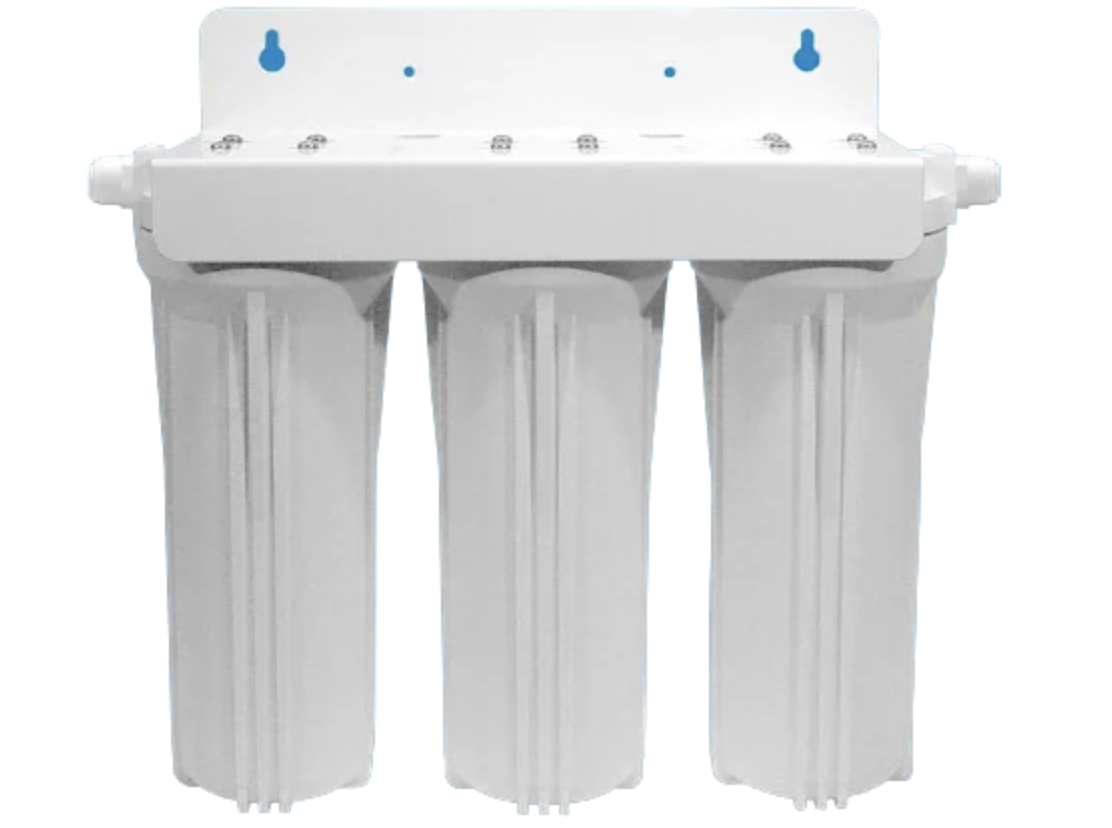
Note: Clean Water Store under-sink systems are great for chemical tastes and particulates but if you specifically require certified lead reduction, choose a filter certified to NSF/ANSI 53 for lead.
What Are the Best Whole-House Water Filters for Lead Removal?
“Whole-house” (POE) systems protect every tap including sinks, showers, and appliances by removing lead before the water distributes throughout your home.
Our top pick:
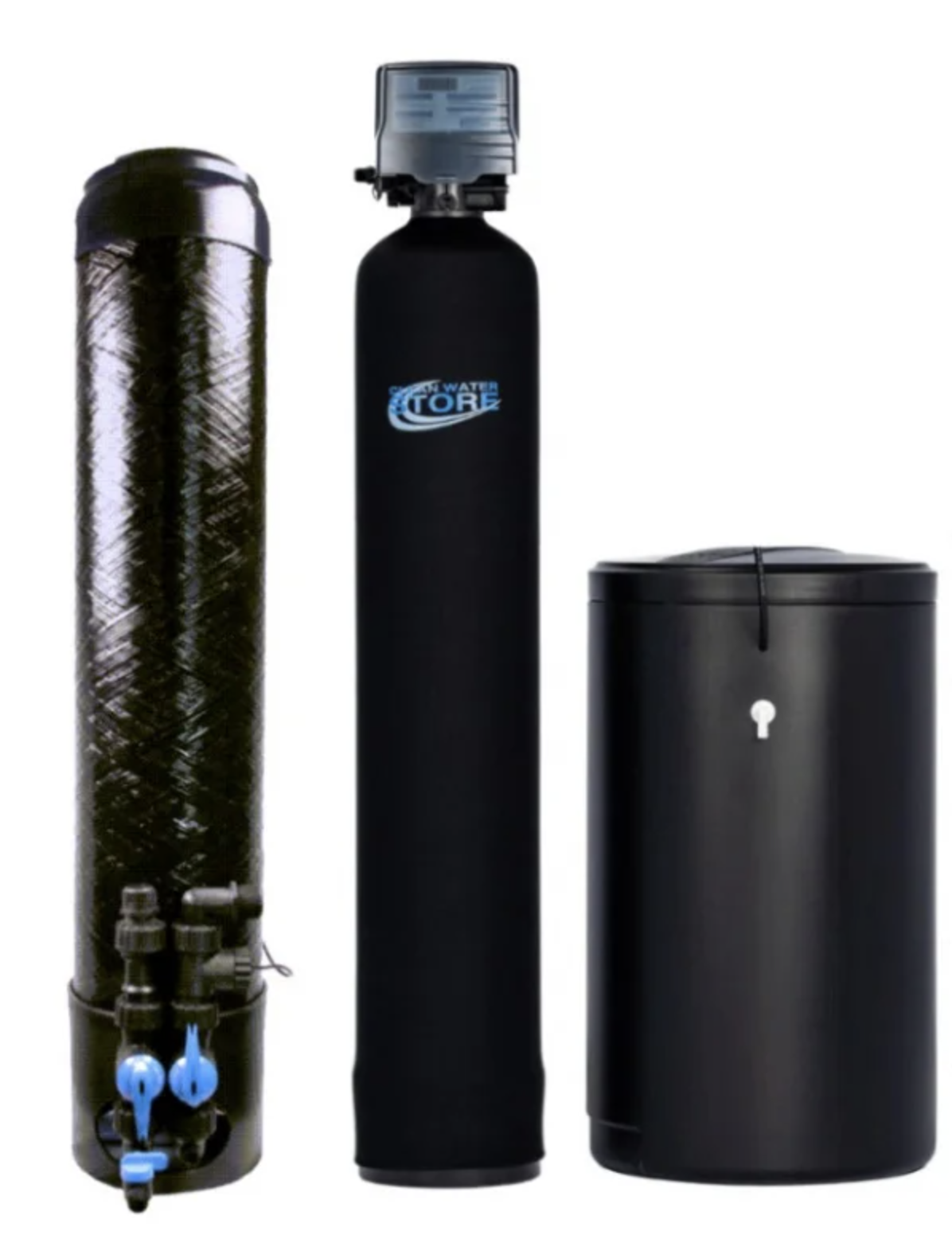
Clean Water Store Whole-House PFAS and Lead Removal System is NSF/ANSI 53-certified for lead and P473-certified for PFAS, using a 0.5-micron cartridge to remove both soluble and particulate lead at the point of entry. It’s a strong choice when you also want to address hard water and heavy metals through the same system.
Other options on the market:
US Water Systems Defender and Crystal Quest Lead Removal systems are worth considering if you also need arsenic, fluoride, or microbe handling.
Springwell Water LCR-1 Lead & Cyst Removal System removes over 99.95% of lead and also treats cysts, chlorine, and chloramine.
Do Pitcher and Countertop Filters Remove Lead Effectively?
Yes, if they’re NSF/ANSI 53 certified for lead or they use reverse osmosis with NSF/ANSI 58 performance.
-
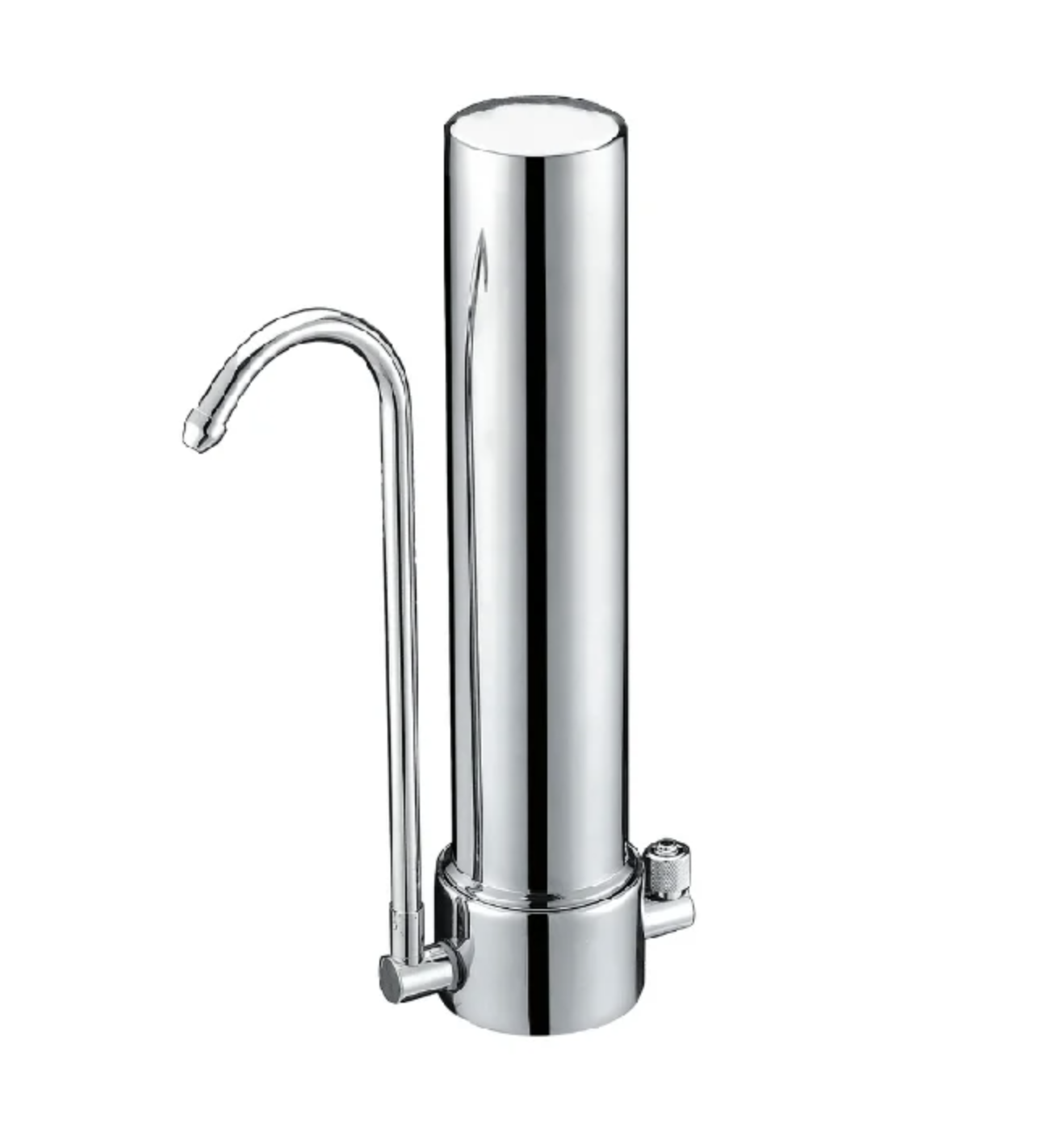
- Clean Water Store CeraMetix Stainless Steel Countertop Drinking Water Filter System is NSF-certified and removes lead along with a wide range of other contaminants, with no plumbing required.
- AquaTru Countertop RO (Classic/Carafe) is a popular plug-and-play option, with independent evaluators listing about 99.1 to 99.4% lead reduction under NSF/ANSI 58 certification.
- ZeroWater/Culligan pitcher and faucet systems carry NSF/ANSI 53 lead certification at accessible price points.
For renters or small households, pitchers/dispenser systems are convenient, but expect more frequent filter changes than under-sink or RO solutions.
How Can I Tell If a Filter Is Certified for Lead?
There is no mandatory federal requirement for water filters to be certified; however, you can increase your confidence by purchasing filters tested by an accredited third-party certification body. Several organizations evaluate filters for lead reduction, and each has its own registered trademark (certification mark) that will appear on the filter or its packaging.
Look for Trusted Certification Logos
Water Quality Association (WQA)
IAPMO R&T (International Association of Plumbing and Mechanical Officials)
UL Solutions (Underwriters Laboratories)
CSA Group (Canadian Standards Association)
Important Cautions When Choosing Water Filters for Lead Removal
Avoid “Off-Brand” Replacements: When it is time to replace your filter, only use the manufacturer’s certified replacement cartridges. Off-brand or counterfeit filters may fit your device but are often not certified to remove lead.
Certification Is Temporary: A certification only remains effective if the filter is replaced according to the manufacturer’s schedule, typically every six months. Once a filter is saturated, it may stop removing lead or even release accumulated lead back into your water.
Boiling Is Not a Substitute: It is critical to note that boiling water does not remove lead; in fact, it can slightly increase the lead concentration.
What Are the Health Effects of Ingesting Lead?
Lead in drinking water can cause a variety of serious health effects. In babies and children, exposure to lead in drinking water can result in delays in physical and mental development. In adults, it can cause increases in blood pressure. Adults who drink this water over many years can develop kidney problems or high blood pressure.

Does My Home Have Lead in the Water?
Lead is rarely found in source water but enters tap water through corrosion of plumbing materials. Homes built before 1986 are more likely to have lead pipes, fixtures, and solder.
However, new homes are also at risk: even legally “lead-free” plumbing may contain up to 8 percent lead. The most common problem is with brass or chrome-plated brass faucets and fixtures. These parts could leach significant amounts of lead into the water, especially hot water and instant hots, unless they use lead-free fixtures.
Lead is strictly regulated in public water supplies under the EPA’s Lead and Copper Rule. Water that has sat in pipes for several hours, like first thing in the morning, generally carries more lead than water that’s been flushed. For the latest regulatory limits and what they mean for your area, see our guide on removing lead from city water.
Is Well Water Lead Different From City Water?
If you’re on a private well, there’s an important difference: no one is testing your water for you. City utilities are required to monitor for lead and publish annual water quality reports. Well owners get no such safety net, so testing is entirely on you.
Lead in well water can occasionally occur naturally, where a well is drilled through lead-bearing rock or soil, though this is uncommon. Far more often, it comes from the same source as city water: corrosion of well components, plumbing, and fixtures. Acidic or soft well water is especially corrosive and can leach lead from brass well fittings, older solder joints, and galvanized pipe over time. If a water test shows low pH, an acid neutralizer can reduce that corrosion throughout your plumbing in addition to filtering lead at the tap.
Because well water typically enters your home at a single point, a whole-house system like the PIONEER™ above is usually the most practical way to protect every tap, rather than treating fixtures individually.
If you haven’t tested your well water in the last year, or have never tested for lead specifically, that’s the place to start before choosing equipment.
How Do I Choose the Right Lead-Removal Filter for My Home?
1. Decide whole-house vs. at-the-tap protection: whole-house systems protect every fixture, while an under-sink RO targets just your drinking and cooking water at a lower cost. If you’re on city water, our full whole-house vs. point-of-use breakdown walks through exactly how to decide.
2. Check the certification label/listing: Look for NSF/ANSI 53 (lead) or NSF/ANSI 58 (RO with lead reduction) and verify on NSF/WQA/IAPMO listings. Don’t confuse NSF/ANSI 372 (“lead-free” materials) with lead removal.
3. Consider installation & maintenance: Countertop RO (e.g., AquaTru) requires no plumbing. Under-sink or POE systems require basic plumbing and periodic filter/membrane changes documented by the manufacturer.
Clean Water Store Bundle Tip: Pair a whole-house PIONEER™ system with a CWS 3-Stage Carbon Block Under-Sink or Reverse Osmosis System for polishing taste and odor at the kitchen tap. This combination gives you whole-home lead protection plus premium drinking water quality.
Need Help Selecting a System?
Fill out our quick and easy Water System Designer Form and get a response in 24 hours or less.
Resources:
U.S. Environmental Protection Agency. (n.d.). Basic information about lead in drinking water. https://www.epa.gov/ground-water-and-drinking-water/basic-information-about-lead-drinking-water
Centers for Disease Control and Prevention. (n.d.). About lead in drinking water. https://www.cdc.gov/lead-prevention/prevention/drinking-water.html
Centers for Disease Control and Prevention. (n.d.). Groundwater corrosivity and lead in wells. https://www.cdc.gov/environmental-health-services/php/water/groundwater-corrosivity-lead-wells.html
Want to Test Your Water for Lead?
We recommend this certified lab test: Lead Test Kits
At Clean Water Store, we help families interpret their water tests every day and choose systems that are best for their water chemistry. Results vary from house to house and by location. If you’d like a second set of eyes on your water specs, schedule a free appointment with one of our water experts today.

Read More:
How to Remove Lead from City Water: Whole House vs Point of Use Solutions Explained


