_2.png)
 Request a Call
Best Under-Sink Water Filtration Systems for City Water: Real Customer Reviews
If you are on city water and want better tasting, cleaner drinking water at the kitchen sink, an under-sink filtration system is one of the most practical and affordable solutions available. You get filtered water on demand at the tap you use most — without constantly replacing small pitcher filters or hauling bottled water.

But with so many options available, knowing which system is right for your water and which ones are genuinely easy to maintain is harder than it should be. This guide covers what to look for, what real customers say, and how to choose the right under-sink system for your city water.
👉 Not sure what is in your city water? Start with a free city water report or order a comprehensive Lab Test for your own detailed look into your water quality.
Why Do City Water Customers Choose Under-Sink Filtration Over a Whole House System?
A whole house system treats all the water entering your home. An under-sink system treats water at a single point — the kitchen sink. Both have their place depending on your situation and goals.
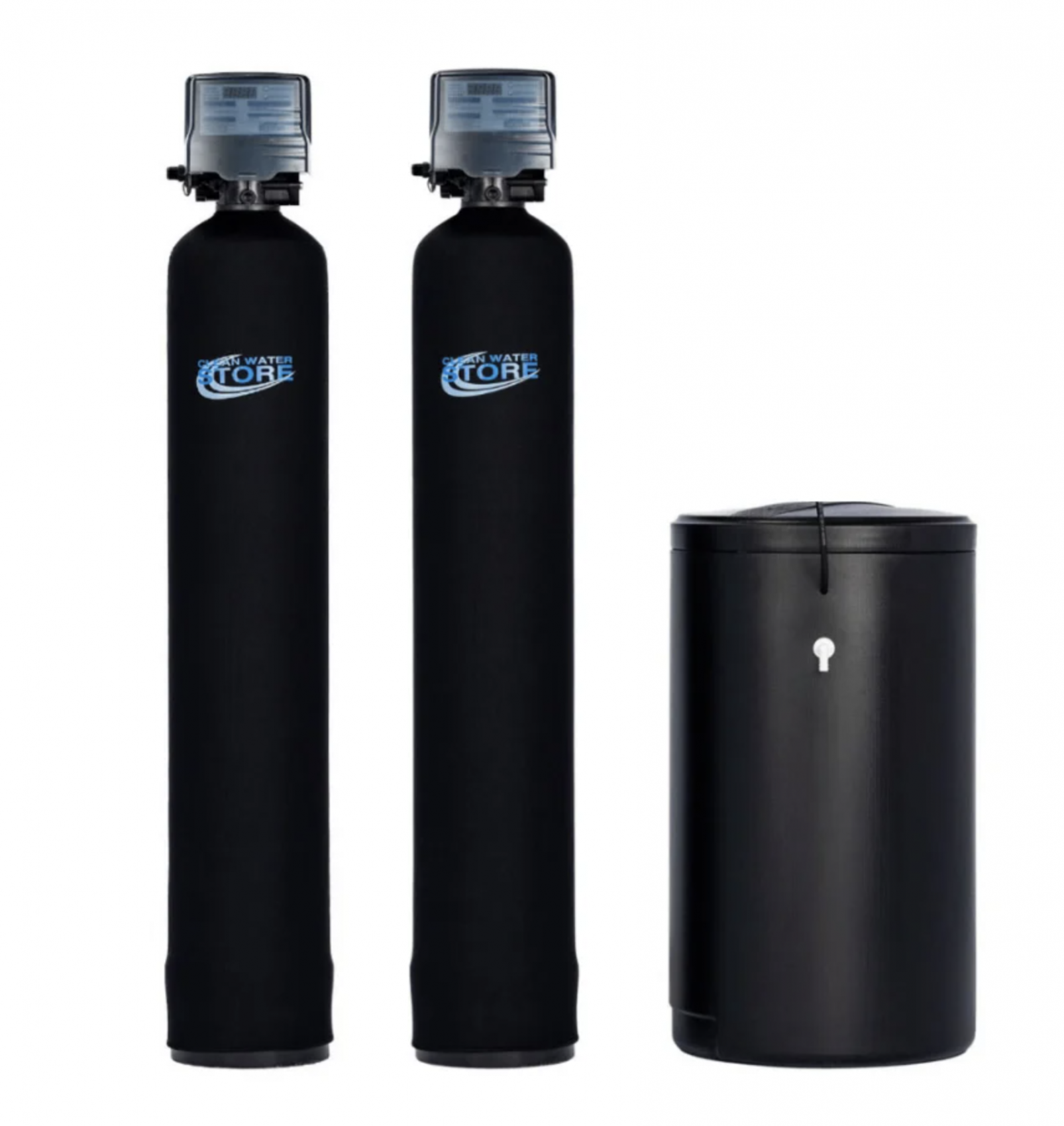
Under-sink filtration makes the most sense for city water customers when:
-
- Your primary concern is drinking and cooking water quality — not showers or laundry
- You want the highest purity water at the kitchen tap specifically
- You are renting and cannot install a whole house system
- Your overall city water quality is acceptable but you want better tasting drinking water
- You need to remove specific contaminants like nitrates, arsenic, or PFAS that require reverse osmosis
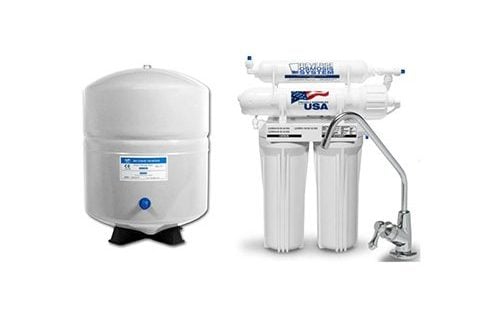
For most city water customers dealing with chlorine taste and odor, a good whole house carbon filter solves the problem for every tap in the home. But if you specifically want the highest purity water for drinking and cooking — or need to remove dissolved contaminants — an under-sink RO system is the right choice.
👉 Read more: Why Does My Tap Water Taste Bad? How to Diagnose and Fix It
What Are the Main Types of Under-Sink Water Filtration Systems?
There are two primary types of under-sink water filtration systems for city water. Understanding the difference helps you choose the right one for your situation.
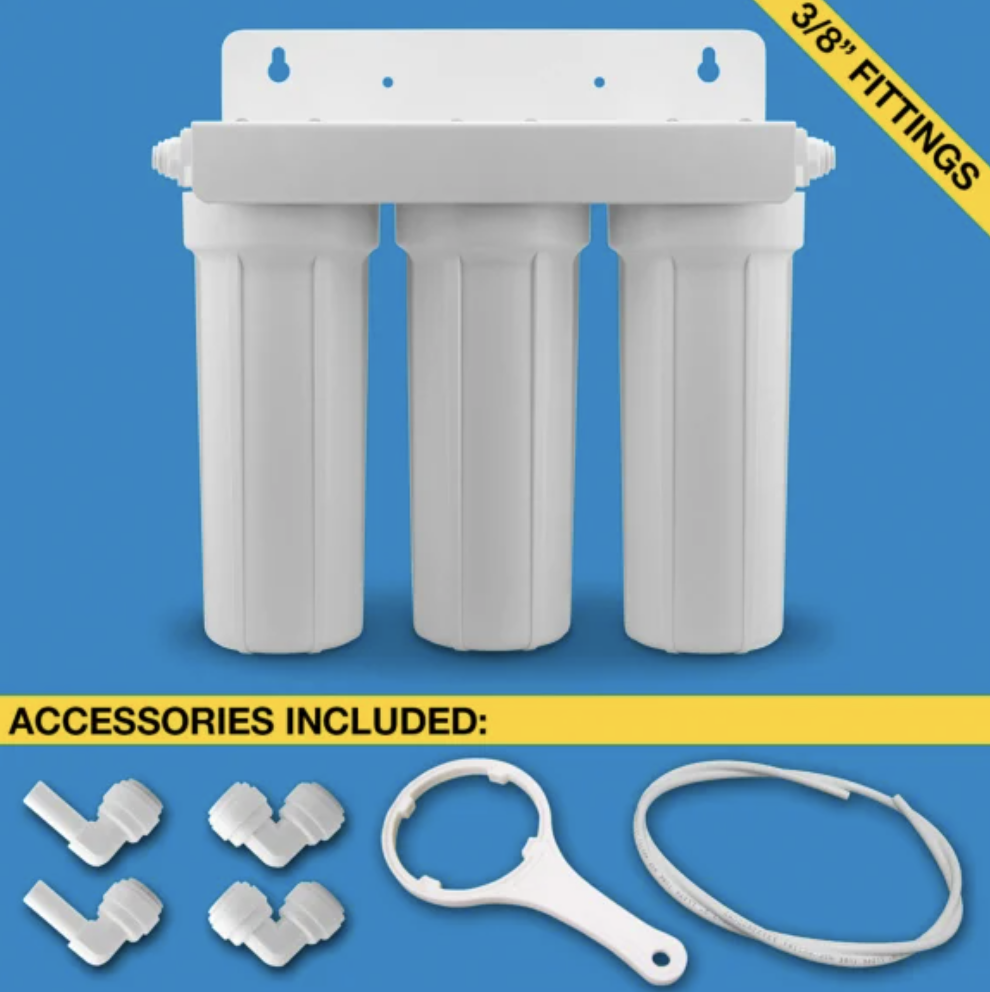
Carbon block under-sink filters: These use a dense carbon block cartridge to remove chlorine, chloramines, VOCs, sediment, and improve taste and odor. They are the simplest, most affordable option for city water customers whose main concern is taste and odor. Water flows at full pressure through the system — no separate faucet required in most cases. Filter cartridges typically need replacement every 6 to 12 months depending on usage and water quality.
Reverse osmosis (RO) under-sink systems: These use a multi-stage process — sediment filter, carbon pre-filter, RO membrane, and carbon post-filter — to remove dissolved solids, heavy metals, nitrates, arsenic, PFAS, and virtually all other contaminants. RO produces the highest purity drinking water available for home use. Most systems store purified water in a small tank under the sink and dispense it through a dedicated faucet. RO systems waste some water during the purification process — newer tankless models are significantly more efficient than older tank-based systems.
What Do Real Customers Say About Under-Sink Water Filtration Systems?
At Clean Water Store, we have over 4,700 verified customer reviews through Shopper Approved. Here is what city water customers most consistently say about their under-sink systems:
What customers love:
-
- The immediate improvement in water taste — most customers notice a difference from the first glass
- The convenience of filtered water on demand at the kitchen tap without a pitcher
- The reduction in bottled water purchases — most customers stop buying bottled water entirely
- The peace of mind of knowing what is and is not in their drinking water
- The ease of filter replacement on newer quick-change systems
What customers most commonly ask about:
-
- How often to change filters and what replacement cartridges cost
- Whether the system fits under their specific sink configuration
- How to know when filters need replacing
- Whether RO water needs remineralization for taste
One of our customers, Paul, chose a whole house plus under-sink RO combination for his city water home — handling both whole house taste improvement and maximum purity drinking water in one setup. Watch his story to see how he split the installation between DIY and a local plumber to keep costs down here:
Do water filtration systems actually make city tap water taste better? Real homeowner experiences
The EPA’s Consumer Confidence Report program requires every city water utility to publish an annual water quality report — a good starting point for understanding what is in your city water before choosing a filtration system.
What Makes an Under-Sink Water Filter Easy to Maintain?
Maintenance is one of the most important factors in under-sink filter selection — and one of the most overlooked. A system that is difficult to maintain tends to get neglected, which means filters run past their service life and water quality suffers. We often hear about how pitchers mold or start to taste bad quickly, needing constant filter changes.
Here is what makes an under-sink system genuinely easier to maintain:
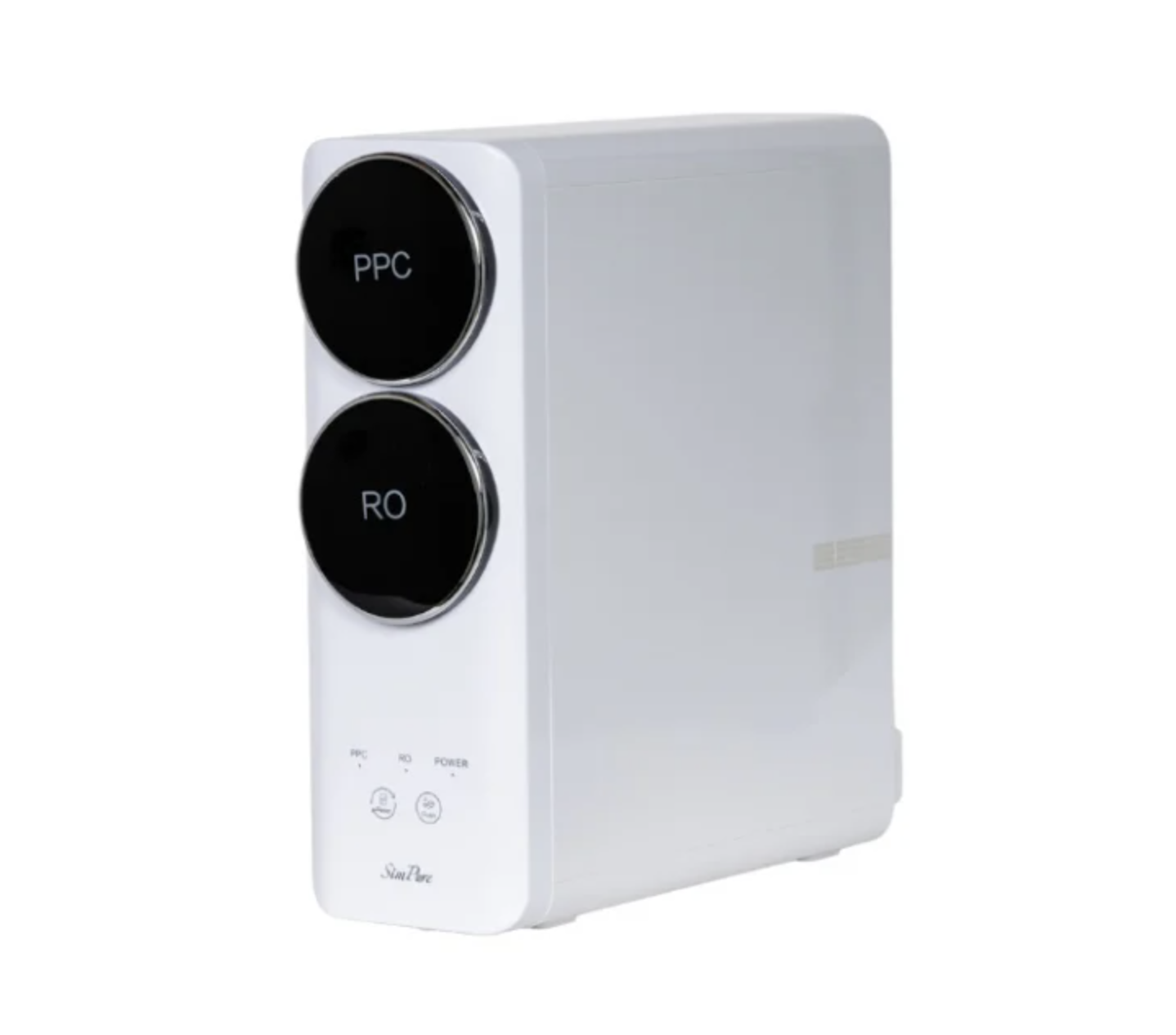
Quick-change cartridges: The best modern systems use twist-lock or push-connect filter cartridges that change without tools in minutes. No spills, no wrenches, no mess. Our Q6 800 GPD tankless RO system uses quick-change twist-lock cartridges — filter changes take minutes with no tools required.
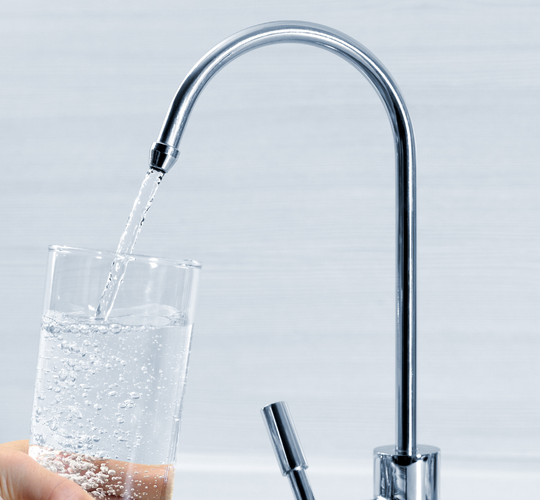
Filter life indicators: Systems with built-in TDS monitors or filter life indicators remove the guesswork. You know exactly when filters need replacing without having to remember the installation date or track usage manually.
Annual or less frequent changes: Some systems require filter changes every 3 months — others every 12 months or more. Higher change frequency means higher ongoing cost and more maintenance effort. Look for systems with long filter life ratings.
Simple under-sink fit: A compact system that fits cleanly under the sink without requiring major plumbing modifications is much easier to live with long term. Measure your under-sink cabinet space before buying.
Does an Under-Sink RO System Remove Everything I Need It To?
Reverse osmosis removes a very broad range of contaminants — but not everything. Here is a clear picture of what RO does and does not address for city water:
What RO removes effectively from city water:
-
- Chlorine and chloramines (through carbon pre and post filters)
- Lead, copper, and heavy metals
- Nitrates and nitrites
- Arsenic
- PFAS and PFOA (with appropriate certified membrane)
- Fluoride
- Total dissolved solids (TDS) — reduces by 90%+ typically
- Sediment and particulates
What RO does not fully address:
-
- Dissolved gases like hydrogen sulfide — these are addressed by carbon pre-filtration
- VOCs — carbon pre-filtration handles these
- Beneficial minerals — RO removes them along with contaminants. A remineralization post-filter restores balanced mineral content and improves taste
If your primary concern is chlorine taste, an RO system is more than you need — a good carbon block filter solves that problem at significantly lower cost. RO is the right choice when you need to remove dissolved contaminants that carbon filters cannot address.
The CDC’s water quality and health resources cover the health significance of common city water contaminants — useful background for understanding which ones matter most for your household.
How Do I Choose Between a Carbon Under-Sink Filter and a Reverse Osmosis System?
The decision comes down to what is in your water and what you need to remove. Here is a simple framework:
Choose a carbon block under-sink filter if:
-
- Your main concern is chlorine taste and odor
- Your city water TDS is below 200 ppm
- You do not have specific health-based contaminants like lead, nitrates, arsenic, or PFAS
- You want the simplest, most affordable solution
- You want water that still retains beneficial minerals
Choose a reverse osmosis system if:
-
- Your water has high TDS, hardness, or dissolved minerals
- You need to remove lead, nitrates, arsenic, PFAS, or fluoride
- You want the highest possible purity for drinking and cooking
- You want water that rivals or exceeds bottled water quality
- Your household includes infants, someone is pregnant or immunocompromised

A water test takes the guesswork out completely. Once you know what is in your city water, the right choice becomes obvious.
👉 Read more: Ultrafiltration vs Reverse Osmosis — Which One Do You Actually Need?
What Are the Best Under-Sink Water Filtration Systems at Clean Water Store?
Here are our most popular under-sink options for city water customers:
For chlorine taste and odor (carbon block):
Our multi-stage carbon block under-sink systems remove chlorine, VOCs, sediment, and improve taste and odor. NSF certified, straightforward installation, and affordable replacement cartridges. The right choice for most city water customers whose main issue is taste.
For maximum purity drinking water (RO):
Our USA High-Flow 4-Stage 100 GPD RO system uses a Pentair NSF certified membrane that produces pure water at more than twice the speed of most store-bought RO systems. Includes all installation parts.
Our Q6 800 GPD Tankless RO system is our premium option — quick-change cartridges, built-in TDS monitor, smart LED faucet, auto-flush function, and compact design. Virtually maintenance-free between annual cartridge changes.
All our RO systems include options to add a remineralization post-filter for customers who prefer a slightly mineralized taste to their purified water.
The NSF certification database allows you to verify any water filter’s certifications before you buy — look for NSF/ANSI 58 certification on RO systems and NSF/ANSI 42 or 53 on carbon filters.
What Should I Do First If I Want Better Drinking Water From My City Tap?
Start with a water test or pull your city’s annual Consumer Confidence Report. Know what is in your water before choosing a system. For most city water customers the answer is simpler and more affordable than they expect.
At Clean Water Store, our no-commission team reviews city water situations every day and helps homeowners choose the right solution without overspending. We have under-sink options at every price point — from simple carbon block filters to premium tankless RO systems — and we will help you find the right fit for your water, your budget, and your kitchen.

Shop under-sink RO systems at cleanwaterstore.com
Read More:
Why Does My Tap Water Taste Bad? How to Diagnose and Fix It
Ultrafiltration vs Reverse Osmosis — Which One Do You Actually Need?
Do Water Filtration Systems Remove Healthy Minerals From Water?
Article last updated by Author May 12, 2026.


