_2.png)
 Request a Call
How to Fix Rotten Egg Smell in Your Sprinklers: Well Water Sulfur Treatment
You have probably noticed it. The moment the irrigation runs, there is that unmistakable rotten egg smell drifting across the yard. It is not your equipment. It is your well water — specifically hydrogen sulfide gas dissolved in it.
The frustrating part is that your water at the tap might seem tolerable. But run it through a sprinkler head and the smell is everywhere. There is a reason for that — and there is a fix.
Watch Gerry Bulfin explain exactly what causes it and how to treat it:
👉 Read first: Why Is My Irrigation System Failing? Well Water Quality Problems on Large Properties
What Causes the Rotten Egg Smell in Well Water?
The rotten egg smell in well water is caused by hydrogen sulfide gas. It is a naturally occurring gas that forms when sulfur-reducing bacteria break down organic matter in low-oxygen environments deep in the ground. It dissolves into groundwater and gets pumped up with your well water.
The CDC’s public health statement on hydrogen sulfide notes that the gas can be naturally present in well water and gives tap water a distinctive rotten egg odor. It is one of the most recognizable well water problems.
Hydrogen sulfide is detectable by smell at very low concentrations — as low as 0.5 parts per billion in some cases. This means even well water that tests at very low levels can produce a noticeable odor, especially when the water is aerated.
Why Does the Smell Get So Much Worse Through Sprinklers Than at the Tap?
This is the question most property owners have. The smell might be manageable at the kitchen faucet but overwhelming when the irrigation runs. The explanation is simple: aeration.
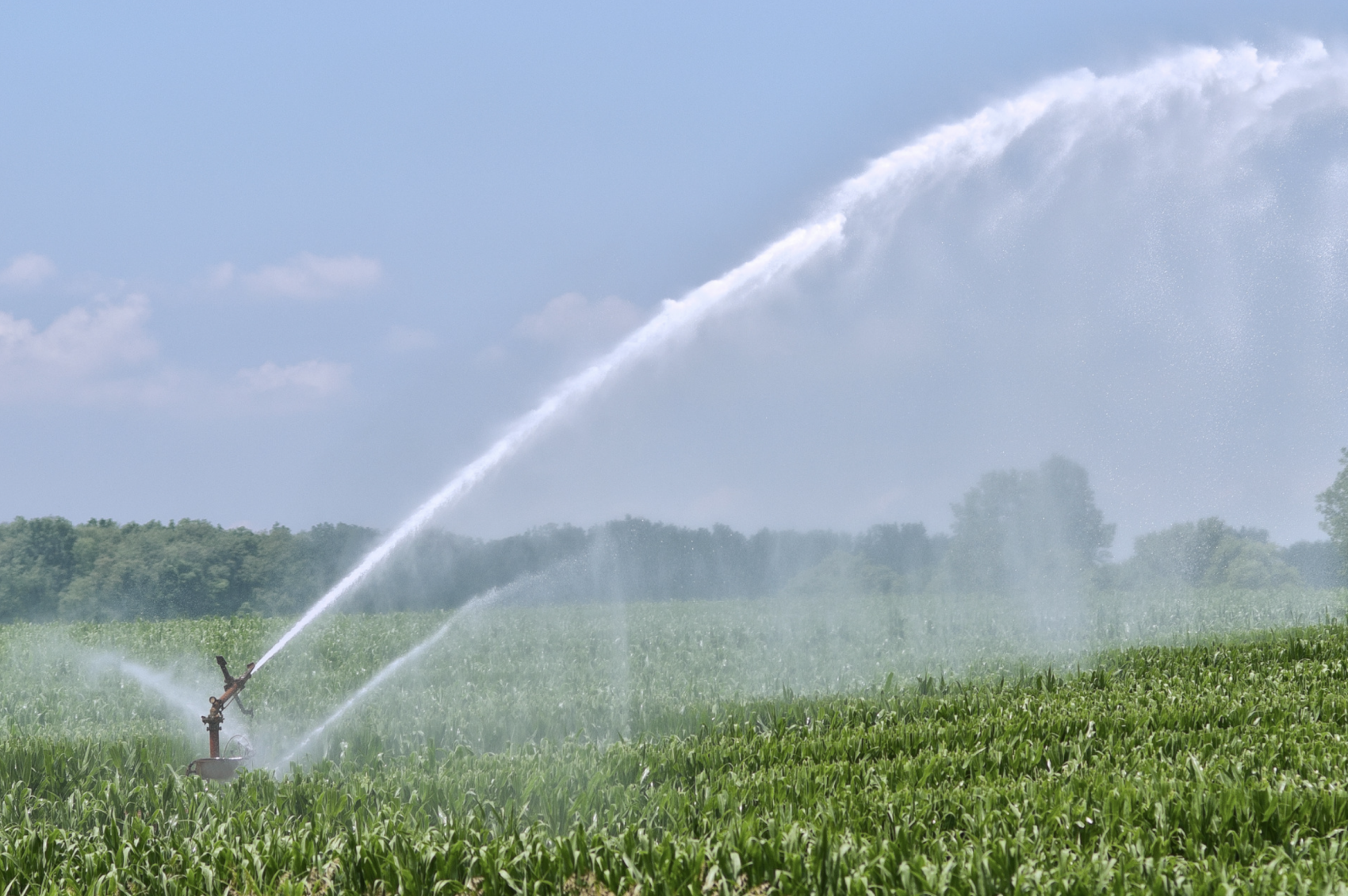
Hydrogen sulfide is a dissolved gas. It stays dissolved in water under pressure in your pipes. But the moment that water gets sprayed through an irrigation head at pressure — broken into thousands of tiny droplets and exposed to large amounts of air — the gas escapes from the water rapidly. All of it, all at once, across your entire yard.

This is essentially the same process as what makes carbonated drinks go flat when you pour them quickly. The gas releases when pressure drops and the liquid surface area increases. Irrigation sprinklers maximize both conditions simultaneously.
The result is that a hydrogen sulfide level that produces a mild odor at the tap can create a genuinely unpleasant smell across a large area when the irrigation runs — strong enough to drive people and animals away from the yard.
Is Hydrogen Sulfide in Irrigation Water Harmful to Plants or Animals?
At the concentrations typically found in residential well water, hydrogen sulfide is not acutely harmful to plants or animals through irrigation exposure. Plants actually produce small amounts of hydrogen sulfide naturally as part of their metabolic processes.
However, there are real concerns worth knowing:
For livestock and horses: Animals are sensitive to hydrogen sulfide odor and may reduce their water intake if the smell is strong. Reduced water intake in horses and livestock affects health and performance. The Penn State Extension agricultural water resources note that hydrogen sulfide is one of the most common water-related problems in dairy production — water quality problems including hydrogen sulfide can lead to health issues and reduced water intake in animals.
For people: Hydrogen sulfide at the concentrations found in well water is not a direct health hazard through outdoor exposure. However, at higher concentrations it can cause eye and respiratory irritation, and the odor alone is enough to make spending time in your yard unpleasant.
For equipment: Hydrogen sulfide is corrosive. Over time it can damage metal irrigation components, fittings, and copper plumbing. Properties with consistently high hydrogen sulfide levels often see accelerated corrosion in their irrigation systems.
How Do I Know If My Well Water Has Hydrogen Sulfide?
Your nose is actually a sensitive detector for hydrogen sulfide at low concentrations. But smell alone does not tell you the concentration or the source. There are three possible sources:
The well itself: Sulfur-reducing bacteria in the aquifer produce hydrogen sulfide continuously. This is the most common source. The smell is present in all cold water from the well.
The water heater: Hydrogen sulfide can form inside water heaters when sulfate-reducing bacteria react with the magnesium anode rod. If the smell is only present in hot water and not cold, this is the likely cause — and the fix is replacing the anode rod, not treating the well water.
Sulfur-reducing bacteria in the water system: Bacteria colonizing your well casing, pressure tank, or distribution pipes can produce hydrogen sulfide locally. Shock chlorination of the well may temporarily reduce it, but treatment of the water itself is usually needed for a lasting fix.
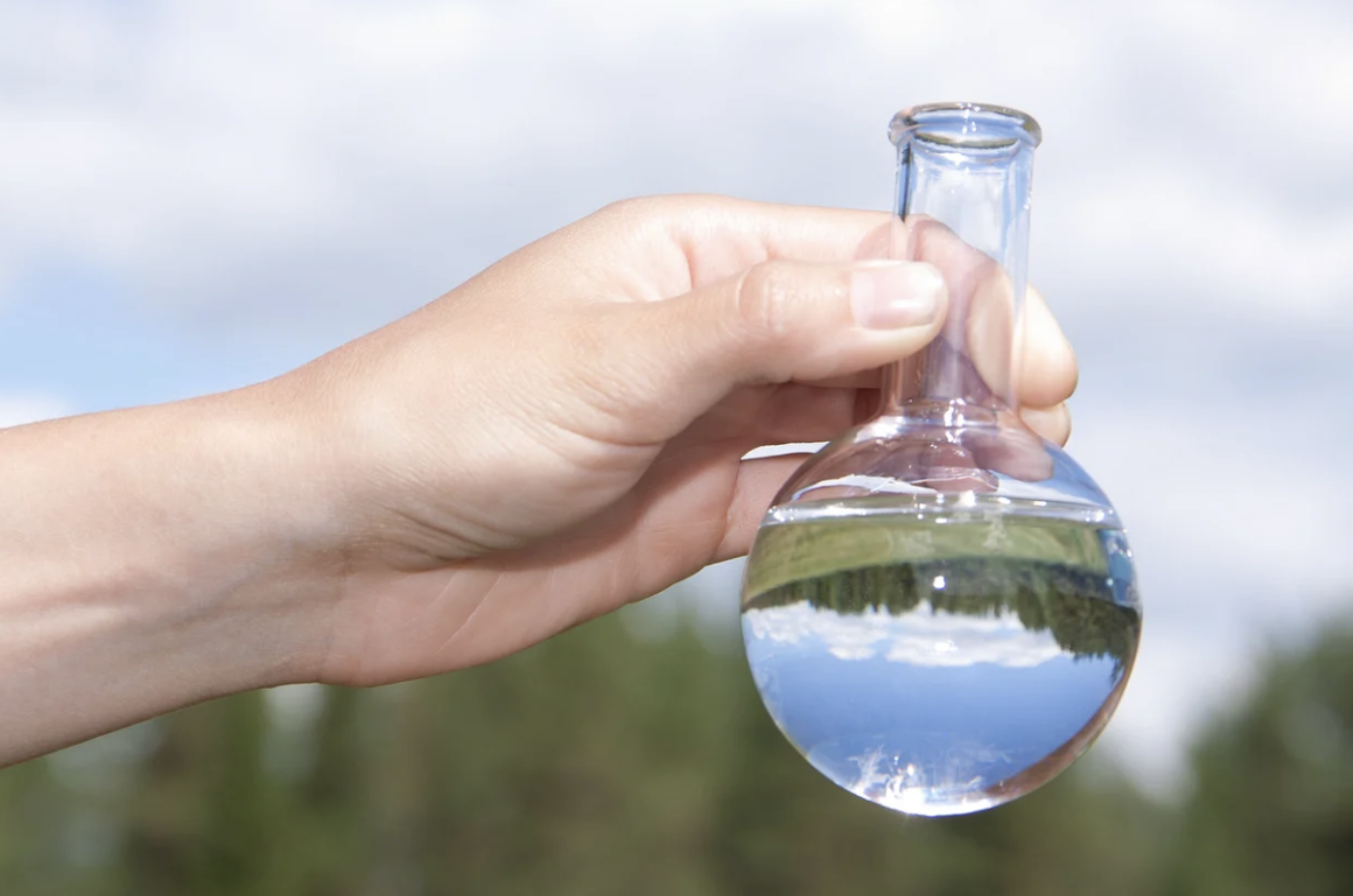
A water test confirms the hydrogen sulfide concentration and helps identify the source. Testing cold water at an outdoor hose bib versus hot water inside helps distinguish between well-source hydrogen sulfide and water heater-related odor.
What Are the Treatment Options for Hydrogen Sulfide in Irrigation Water?
There are three main treatment approaches for hydrogen sulfide in well water. The right one depends on your hydrogen sulfide concentration, whether iron or other contaminants are also present, and whether you need to treat household water or irrigation water or both.
Option 1 — Air injection oxidizing filter (chemical-free):
An air injection system injects a pocket of air into the top of the filter tank. As water passes through, hydrogen sulfide gas is oxidized and converted — along with any dissolved iron or manganese — and the media captures the resulting particles. The system backwashes automatically on a set schedule.
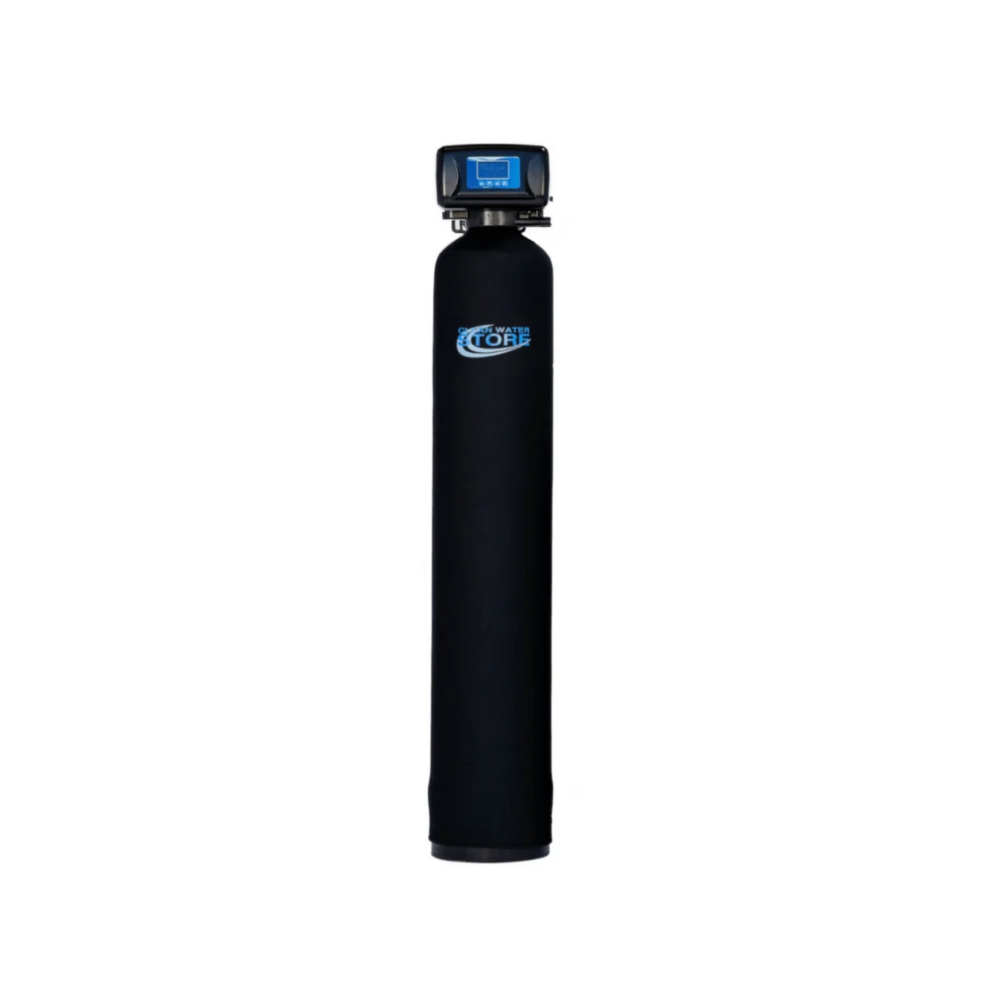
This is the cleanest, most maintenance-friendly option for irrigation water. No chemicals are added, so the treated water is safe for plants, soil, and animals. It works well for moderate hydrogen sulfide concentrations and is especially effective when iron is also present, since it treats both problems simultaneously.
Option 2 — Hydrogen peroxide injection:
A metering pump injects a precise dose of hydrogen peroxide into the water line before it reaches a backwashing filter. Hydrogen peroxide is a powerful oxidizer that eliminates hydrogen sulfide, iron, manganese, and iron bacteria simultaneously. A backwashing carbon filter downstream removes residual peroxide and oxidized particles.

Hydrogen peroxide injection is the right choice for higher hydrogen sulfide concentrations, for properties that also have iron bacteria, or for situations where the air injection approach cannot fully address the odor level. Treated water with residual peroxide removed by the carbon filter is safe for irrigation and household use.
Option 3 — Chlorine injection:
A metering pump injects a measured dose of chlorine into the water line. Chlorine oxidizes hydrogen sulfide and also disinfects for bacteria. A backwashing carbon filter downstream removes residual chlorine.
Chlorine injection is effective but adds a chemical to the water that must be thoroughly removed before irrigation use. Chlorinated water that contacts soil can affect beneficial soil microbes over time. For irrigation-only treatment where contact with soil biology is a concern, hydrogen peroxide injection is generally preferred.
What Is the Best Fix for Rotten Egg Smell in Sprinklers Specifically?
For most irrigation applications, the best approach is a chemical-free air injection oxidizing filter sized for your peak irrigation flow rate. Here is why:
-
- No chemicals are added to irrigation water that contacts plants, soil, and animals
- It handles hydrogen sulfide and iron simultaneously — which matters because both are often present together in well water
- Automatic backwash means minimal ongoing maintenance
- Once installed it runs continuously without intervention
If your hydrogen sulfide levels are high, iron bacteria is present, or the air injection approach cannot fully address your odor level, a hydrogen peroxide injection system ahead of a backwashing carbon filter is the next step up.
The key for irrigation specifically is sizing the system for your peak irrigation flow rate — not just household demand. An undersized system cannot treat water fast enough during peak irrigation draw.
Does Hydrogen Sulfide Always Accompany Iron in Well Water?
Not always — but very often. Both hydrogen sulfide and dissolved iron form under similar low-oxygen aquifer conditions. Properties with significant iron in their well water frequently also have some level of hydrogen sulfide, and vice versa.
This is actually good news from a treatment standpoint. A properly sized air injection iron filter handles both problems simultaneously. If you are already planning to treat iron in your irrigation water, check your water test for hydrogen sulfide at the same time. You may be able to address both issues with a single well-designed system.
The USGS notes in their groundwater homeowner guide that iron and hydrogen sulfide are among the most common naturally occurring well water quality concerns that homeowners encounter and that chemical treatment is often the most practical remedy.
Will Shock Chlorinating My Well Fix the Rotten Egg Smell Permanently?
Shock chlorination can temporarily reduce hydrogen sulfide and the bacteria that produce it, but it is rarely a permanent fix. Here is why:
Shock chlorination treats the well casing and the immediate area around the well. It does not eliminate sulfur-reducing bacteria from the aquifer itself. Within weeks to months, bacteria typically recolonize the well from the surrounding aquifer, and the hydrogen sulfide odor returns.

Shock chlorination is useful as a first response after bacterial contamination events or as a diagnostic tool. But for a property with chronic hydrogen sulfide odor from its well water, continuous treatment of the water supply is the practical long-term solution.
How Do I Size a Hydrogen Sulfide Treatment System for Irrigation?
Sizing is the most important step — and the one most often gotten wrong. Your treatment system must handle your peak simultaneous water demand without pressure drop or treatment compromise.
To calculate your peak irrigation flow demand:
-
- Add up the GPM demand of all irrigation zones that could run simultaneously
- Add household peak demand (typically 5 to 10 GPM)
- Add livestock and barn demand if applicable
- Add a 20% buffer for pressure maintenance
Use our Filter Flow Rate Calculator to match your peak demand to the right tank size and media type. A system that is too small will not treat water fast enough during peak irrigation draw — and you will still smell sulfur through your sprinklers.
What Should I Do First If My Sprinklers Smell Like Rotten Eggs?
Start with a water test. Confirm your hydrogen sulfide concentration and check whether iron, iron bacteria, or manganese are also present. This tells you exactly which treatment approach is right for your situation and how to size it correctly.
-
- Primarily sulfur odor with some iron → Sulfur Air 7500
- Primarily iron with some sulfur odor → Pro-OX 7500 with Air option
- High levels of both → Pro-OX 7500 with Ozone option or hydrogen peroxide injection ahead of the filter
At Clean Water Store, we help property owners across the country solve hydrogen sulfide problems in their well water. We build systems designed for your specific water chemistry and flow demand — and we are here to support you through installation, startup, and long-term maintenance.
👉 Read more:
Why Is My Irrigation System Failing? Well Water Quality Problems on Large Properties
What Water Treatment System Do I Need for Large Property Irrigation?

Article last updated by Author May 11, 2026.


