_2.png)
 Request a Call
How Much Does It Cost to Put in a Well Water System?
Gerry Bulfin / Updated July, 2026
Installing a new well water system is a big-ticket project, and one that often comes with surprises. Costs can swing widely depending on your property’s geology, well depth, and equipment choices.

At Clean Water Store, we’ve helped thousands of homeowners scope, size, and install well systems, from drilling to pressure tanks to treatment, so you’re not guessing at line items or blindsided by add-ons later.
This guide breaks down the total installation range, component-by-component costs, and key factors that drive price so you can plan and budget with confidence.
How Much Does It Cost to Install a Well Water System?
Average Price Homeowners Can Expect to Pay
For most homeowners, the total cost of a complete well water system, including drilling, casing, pump, pressure tank, and plumbing hookups, runs between $6,000 and $16,000, with the national midpoint landing around $10,500.
This includes everything needed to bring clean, pressurized well water into your home.
Why Your Price May Be Higher or Lower
Every well is unique. Your final price depends on:
-
- Geology and soil type: Hard rock drilling costs more per foot than sand or clay.
- Depth and distance to the home: The deeper the well or farther the trench, the more materials and labor required.
- Water quality and treatment needs: If tests show iron, hardness, sulfur, or bacteria, you may need additional filtration or disinfection equipment.
Are Well Water System Cost Estimates Reliable?
We specialize in water treatment systems, but we also know that your money is best spent on proper drilling and pump selection first.
Here’s a transparent look at what goes into a complete well water setup so you can compare quotes, understand where the dollars go, and avoid sticker shock later.

How Much Should I Budget for a New Well Water System?
1) Well Drilling & Casing — $3,000–$15,000+
-
- Drilling per foot: Typically $15–$70+, depending on whether the terrain is sandy or solid rock.
- Casing per foot: PVC casing runs about $6–$10 per foot, while steel casing ranges from $30–$130+, depending on conditions.
Depth and geology are the biggest cost drivers in this category.
2) Well Pump — $400–$2,500+ Installed
-
- Jet pumps (shallow wells under 100 feet): $400–$1,400.
- Submersible pumps (most common): $1,000–$2,500.
- Constant-pressure systems: $2,000–$5,000 for consistent pressure and higher comfort.
3) Pressure Tank — $800–$1,500
Your pressure tank size and capacity should match the pump and your household’s demand. Larger homes or those using constant-pressure systems may need higher-capacity tanks.
4) Electrical & Plumbing Connections — $1,000–$3,000
Includes wiring, trenching, pitless adapters, and running water lines to your home. Distance, terrain, and local code requirements all influence cost.
5) Water Testing & Treatment Costs — $600–$5,000+
Before you invest in any well equipment or treatment system, it’s essential to know what’s actually in your water. Water testing is the first step in designing a safe, effective well system.
A lab test (typically $100–$650) checks for things like bacteria, iron, manganese, hardness, sulfur, pH, and other minerals or contaminants that can affect taste, safety, and plumbing. Even if the water looks clear, it may contain dissolved metals or microorganisms that aren’t visible but can damage fixtures or pose health risks.
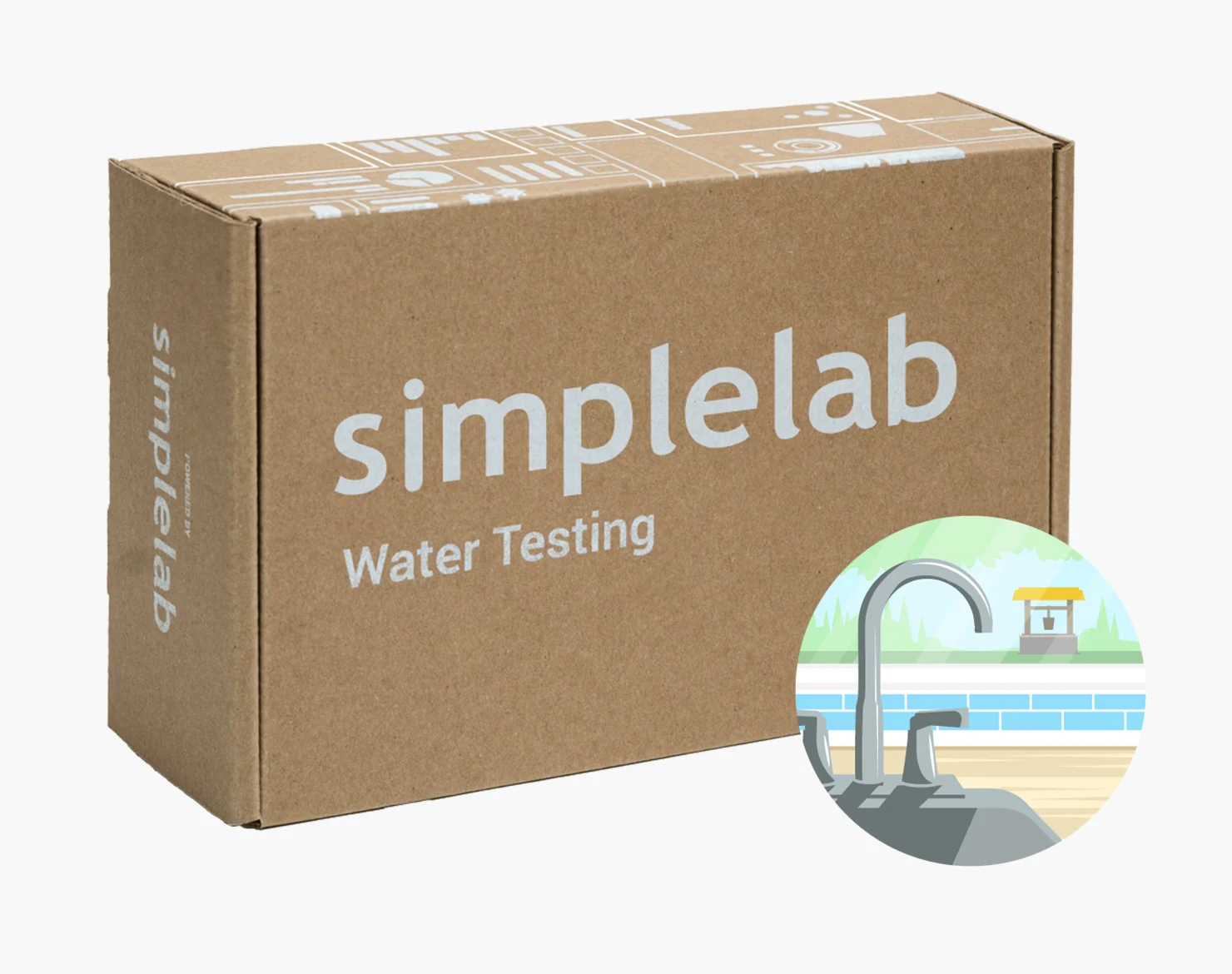
Once the results come in, you’ll know whether your water is safe to drink as-is or if it needs treatment equipment. Treatment can include:
-
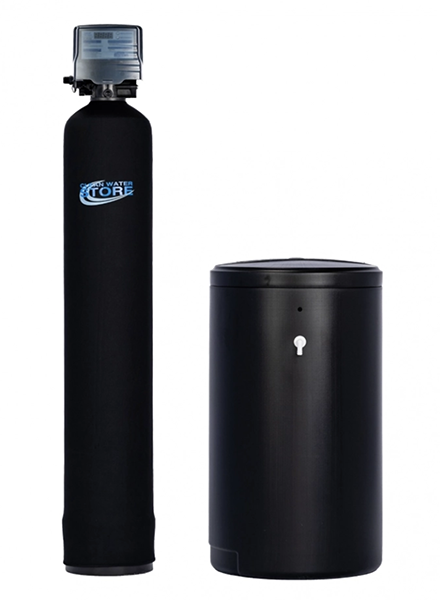
- Water softeners ($800–$2,800) to reduce hardness.
- Iron filters or sulfur filters ($900–$4,000) to remove staining and odor.
- UV disinfection systems ($600–$2,200) to kill bacteria.
Testing might seem like a small part of the total cost, but it’s what ensures the rest of your investment works correctly. Skipping this step can lead to buying the wrong system, or worse, continuing to use water that isn’t safe.
6) Permit and Fee Costs for Well Water Systems — $50–$3,000
Before any drilling begins, most areas require a well permit to ensure your new water system meets local health and safety standards. Permits help confirm that the well is placed far enough from septic systems, drain fields, and potential sources of contamination. They also verify that the installation follows local and state water codes. To learn more about how well construction is regulated and homeowner responsibilities, visit the EPA’s guide to private drinking water wells.
For a typical residential project, permit fees range from $200 to $500, but the total can increase depending on your location and the project’s complexity. In some regions, additional fees apply for environmental reviews, water rights verification, or geological surveys, especially if groundwater conditions are sensitive or regulated.
What Factors Influence the Total Cost of a Well Water System?
Depth Is King
Deeper wells require more drilling, more casing, and a higher horsepower pump. Each foot adds to both material and labor costs.
Geology and Location Impact Cost
Soft sand or clay is easier and cheaper to drill than hard rock or fractured formations. Remote properties may pay more for mobilization or trenching.

Well Type and Design Choices
Not all wells are built the same, and the design you choose has a big impact on cost, performance, and long-term safety. Here’s how the main types compare:
-
- Dug wells: The least expensive option, usually less than 30 feet deep. They collect water from shallow groundwater and are easy to build, but prone to contamination from surface runoff and more likely to run dry in drought.
- Drilled wells: The most common modern type. These reach 100–400 feet deep, use steel or PVC casing to protect against contamination, and rely on a submersible pump. They cost more upfront but are safer and longer-lasting than shallow wells.
- Artesian wells: Tap into a pressurized aquifer where water may flow naturally to the surface. They require special casing and pressure control, so costs are higher, and site conditions must be suitable.
Distance to the Home and Site Logistics
A long trench run or uneven terrain can increase both plumbing and electrical costs. Cold climates may also require insulation or frost-proofing.
Water Quality Requirements and Treatment Add-Ons
If testing reveals hardness, iron, sulfur, or bacteria, factor in the cost of point-of-entry (POE) treatment systems to ensure safe, clear water.

Regional Labor and Contractor Rates
Rates for licensed drillers and installers vary by region. Always get 2–3 quotes for an accurate local estimate.
How to Control Well Installation Costs Through Proper Sizing and Setup
Match Pump, Tank, and Plumbing to Real Demand
Your pump and pressure tank should be sized for your flow rate (GPM), number of fixtures, and pressure expectations. For most homes, a 40/60 PSI pressure range works well.
Protect the System’s Lifespan
Proper pressure settings, wiring, relief valves, and code-compliant installation prevent premature pump failures and costly callbacks.
Examples of Real Well Installation Cost Scenarios
Shallow Well with Easy Geology and Short Run
Expect to spend near the low end ($6k–$8k). Jet pump, moderate tank, minimal trenching, and simple setup.
Moderate Depth with Submersible Pump
Around the midpoint (~$10.5k) if conditions are standard and no advanced treatment is required.
Deep Rock Well with Long Run and Full Treatment
Can reach $15k–$20k+ due to footage, premium pump controls, trenching, and point-of-entry filtration.
How Much Should Homeowners Expect to Spend Overall on a Well Water System?
Installing a well water system is a major investment, and most homeowners can expect to spend between $6,000 and $16,000, with the average landing around $10,500 for a complete, code-compliant setup. That number may shift depending on your well depth and local geology, the two biggest factors influencing cost, while equipment choices like pump type or treatment systems play a smaller role.
Understanding these variables matters because a well is more than a single piece of equipment; it’s your home’s lifeline to clean, reliable water. When sized and installed correctly, it provides years of dependable pressure and performance. But cutting corners or guessing at the wrong components can lead to expensive repairs, low pressure, or water quality issues down the line.
The best way to move forward is to schedule a site visit and a lab water test. With that information, you can request line-item quotes that outline drilling footage, casing material, pump model, electrical and plumbing connections, and any needed treatment. These details help you compare bids accurately and plan your budget with confidence.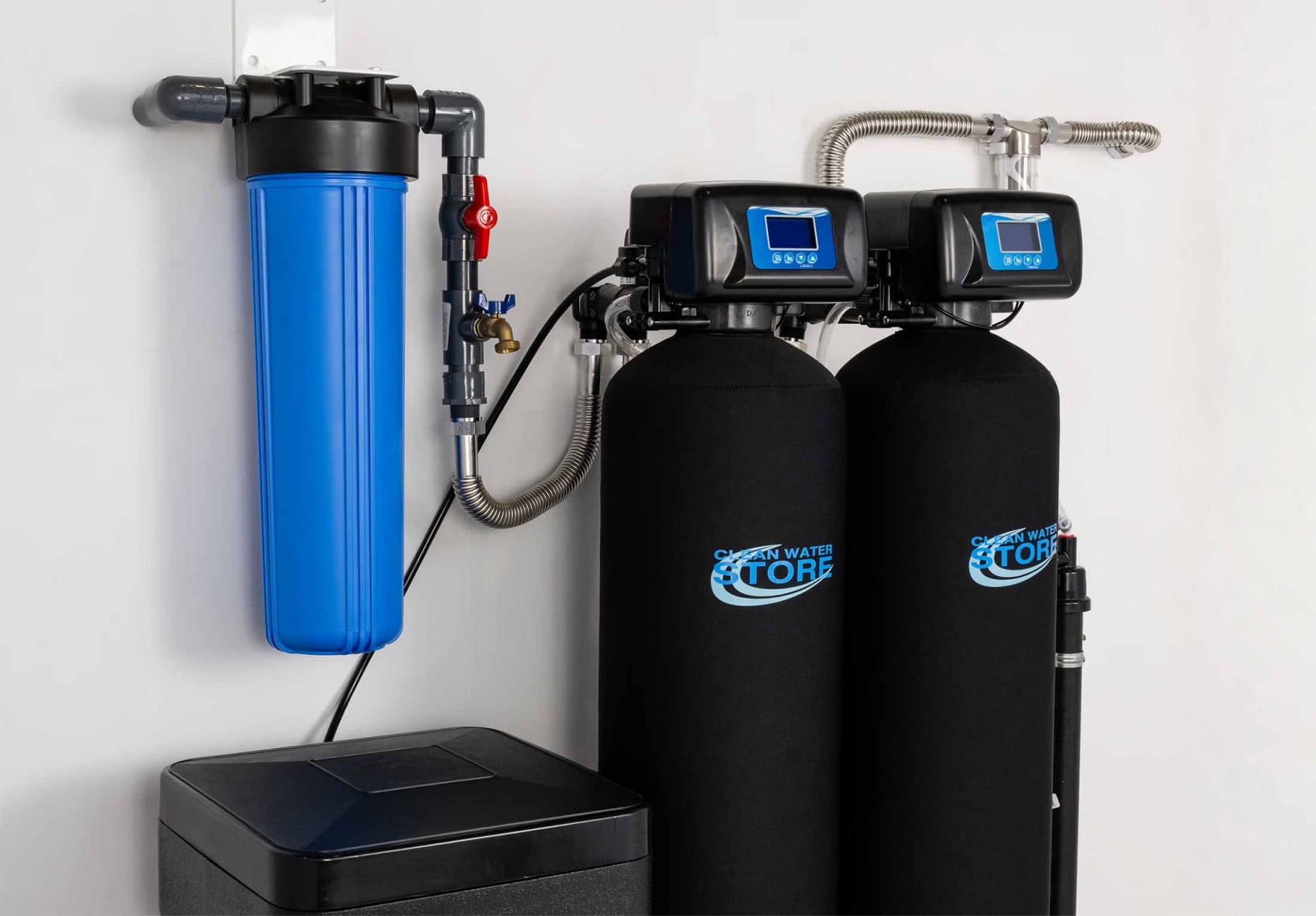
At Clean Water Store, we can review your quotes and water test results, confirm system sizing, and recommend any treatment options tailored to your water chemistry. Our goal is simple: help you make a one-time investment that delivers safe, clean water for years to come, without guesswork or surprises.
Frequently Asked Questions (FAQ)
1. How much does it cost to install a well water system for a house?
Most homeowners pay between $6,000 and $16,000, depending on depth, geology, and treatment needs.
2. What’s the average cost of a well and septic system together?
Installing both typically ranges from $9,000 to $26,000. Septic costs depend heavily on soil type and system design.
3. How do well installation costs vary by location?
Labor, permit, and geology differences mean local quotes can vary widely. Contact licensed local drillers for per-foot rates.
Educational Resources:
EPA, Private Drinking Water Wells, an overview of well types (dug, driven, drilled) and why construction varies by depth/geology: dug/bored wells are shallow at roughly 10 to 30 feet, driven wells run about 30 to 50 feet, and drilled wells can reach thousands of feet deep and require casing.
Alabama Cooperative Extension System, Water Well Construction, good citation specifically for cost-category breakdown: the primary expenses for a private water system owner are the upfront installation cost, water quality testing costs, treatment costs, and the cost to run the pump.
USDA Rural Development, Water & Waste Disposal loan/grant programs, which fund private well installation for eligible rural homeowners.
Read More:
What Does a Complete Well Water Treatment System Actually Cost? A Real Customer Package, Broken Down
Discover how Clean Water Store protects your investment with transparent return and warranty policies, from a full six-month satisfaction window to lifetime coverage on residential tanks.
See how we make clean water simple, with proven systems, easy installation, and a 90-day guarantee. Whether your well or city water smells off or leaves stubborn stains, you don’t have to face it alone. The same goes if it’s damaging your appliances.


