_2.png)
 Request a Call
Top 9 Causes of Copper Corrosion in Home Piping Systems
Copper pipe corrosion is more common and damaging than many homeowners realize. If you are concerned about green corrosion on your copper pipes, it’s important to pay attention to any discoloration, as it may signal problems with your plumbing. It’s not just a plumbing nuisance; it can lead to costly repairs, compromised water quality, and potential health concerns. From blue-green stains to pinhole leaks and unpleasant water taste, the signs of copper pipe corrosion are often overlooked until the damage becomes significant, and they can indicate underlying issues with your plumbing system.

In this guide, we’ll walk you through the causes, warning signs, and the best solutions to prevent corrosion and protect your home.
What Is Copper Pipe Corrosion?
Copper corrosion happens when copper piping deteriorates due to a chemical reaction between copper and elements in water or the environment. As pipes corrode, copper dissolves into the water, causing stains, leaks, and elevated copper levels.
The oxidation process is a key part of how copper pipe corrosion develops, as moisture and oxygen accelerate the formation of green patina or corrosion on the pipes.
This type of corrosion can occur in any home, whether your water source is a private well or a city supply. When corrosion becomes severe, it can reduce plumbing lifespan, increase repair costs, and even pose health risks if copper levels exceed EPA guidelines.
Common Signs of Corrosion in Copper Pipes
-
- Blue-green stains on sinks, tubs, or fixtures
- Metallic taste in tap water
- Laundry discoloration or hair tinting
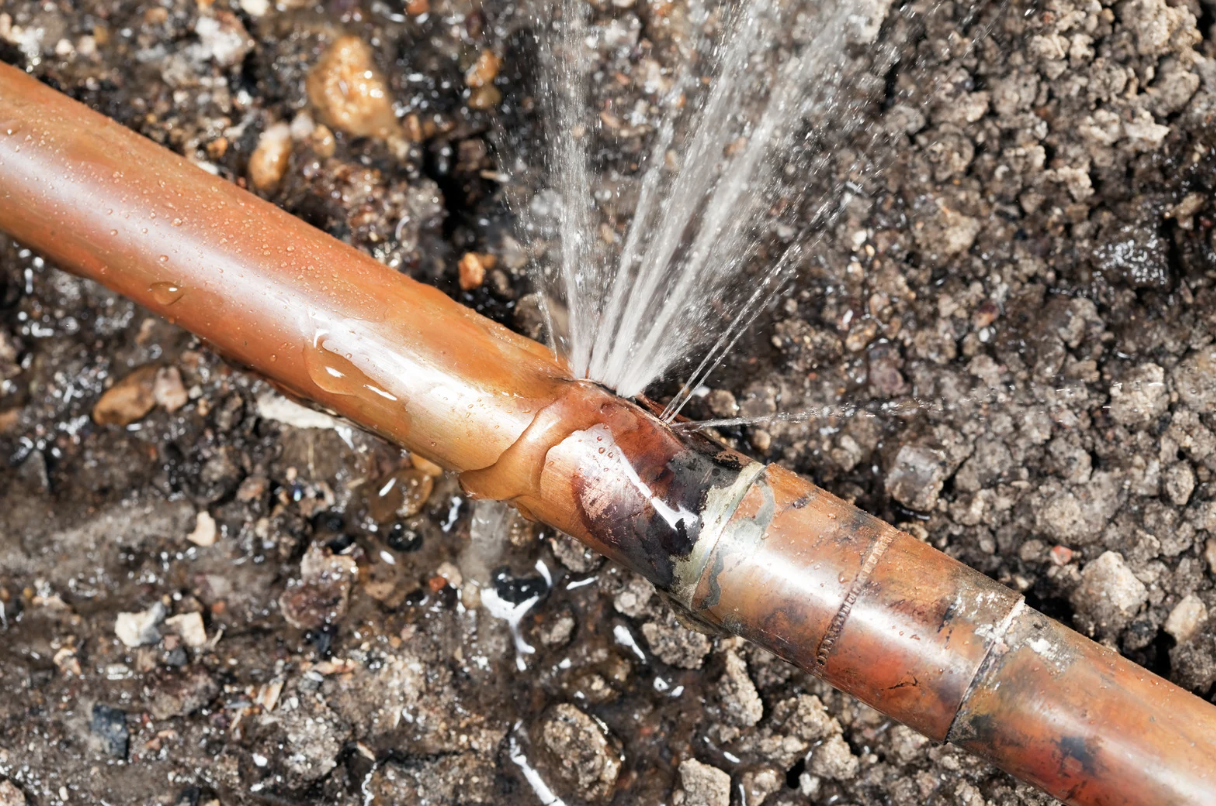
- Pinhole leaks in piping (small holes that can develop in copper pipes)
- Damage to appliances or reduced water heater lifespan
Leaks from these holes can lead to water damage and, if left untreated, may result in extensive damage or further damage to your home.
Copper levels over 1.0 mg/L are considered unsafe and should be addressed immediately.
Main Causes of Copper Pipe Corrosion
Several factors contribute to copper pipe corrosion:
-
- Low pH (Acidic Water): Water with a pH below 7 can erode copper from the inside.
- High pH (Alkaline Water): Water above pH 8.5 may also lead to corrosion in certain conditions.
- High Dissolved Oxygen: Speeds up oxidation and causes staining.
- Exposure to Air and Moisture: Pipes exposed to air, especially oxygen and moisture, are more likely to corrode due to the formation of copper oxide and green patina.
- High Total Dissolved Solids (TDS): Increases water conductivity and accelerates corrosion.
- Bacteria (Iron or Sulfate-Reducing): Common in well water, these can produce corrosive byproducts.
- Stray Electrical Currents: Improper grounding can trigger electrochemical pipe damage.
- High Water Velocity: Causes erosion, especially in small-diameter or hot water lines. Hot water pipes are particularly vulnerable because temperature changes cause copper to expand and contract with heat, which can stress the pipes and make them more susceptible to oxidation.
- Sediment and Grit: Physically wears away pipes, a sediment backwash filter installed ahead of your plumbing removes this before it causes damage.
- Poor Installation Practices: Such as overuse of flux or unreamed pipe ends.
Pipes running through a wall or surrounded by damp walls, such as concrete or brick, can be at higher risk for corrosion. These walls can retain moisture, creating an environment that promotes oxidation and green discoloration on copper pipes.

It’s important to note that copper does not rust like iron, rust refers specifically to iron oxide. Instead, copper undergoes a different corrosion process, forming compounds like copper oxide and green patina when exposed to air and moisture.
To prevent future corrosion, it’s crucial to identify the root cause of the problem. In cases of severe damage, replacing corroded pipes may be necessary to avoid leaks and further issues.
Water Quality Factors
Water quality is one of the most important factors influencing the health and longevity of copper pipes in your home’s plumbing system. The pH level, hardness, and mineral content of your water all play a significant role in how quickly copper pipe corrosion can occur. When water is too acidic, it can aggressively corrode copper pipes, leading to the formation of green corrosion, pipe leaks, and the development of blue-green stains on sinks and fixtures. This green patina, often seen as copper oxide or copper carbonate, is a clear sign that your pipes are under attack from poor water quality.
Hard water, which contains high levels of calcium and magnesium, can also impact your copper pipes. Over time, hard water leads to scale buildup inside the pipes. While a thin layer of scale can sometimes offer minor protection, excessive buildup can create areas where corrosion is more likely to start, reducing the lifespan of your copper pipes and increasing the risk of leaks and costly repairs.
Why Water Testing Matters
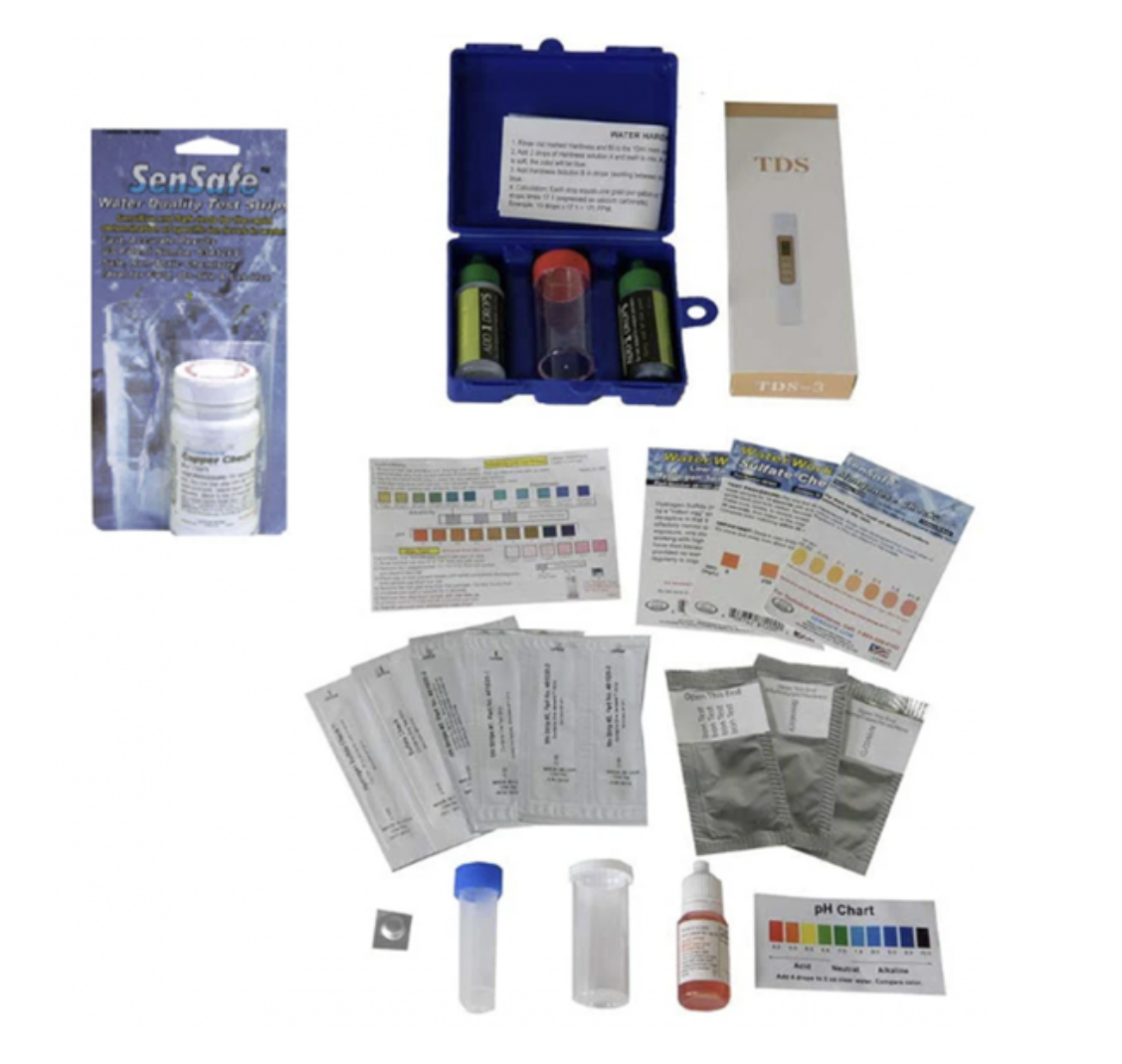
Regular water testing is essential for identifying water quality issues that may be contributing to copper pipe corrosion. By understanding the specific characteristics of your water, you can take preventive measures to protect your plumbing system. Installing a water softener can help reduce the effects of hard water, while using a corrosion inhibitor can slow down the chemical reactions that corrode copper pipes. These solutions, combined with regular maintenance, can help prevent further corrosion and extend the life of your plumbing.
It’s also important to schedule annual plumbing inspections with a professional plumber. A licensed plumber can spot early signs of copper pipe corrosion, test for copper oxide buildup, and recommend the best ways to address underlying water quality issues. Annual plumbing inspections are a smart investment to catch problems before they lead to severe damage or health risks.
Another factor to watch for is erosion corrosion, which happens when water flows through pipes at high velocity. This can strip away the protective oxide layer on copper pipes, making them more susceptible to further corrosion and pinhole leaks. Regular maintenance and proper plumbing design can help prevent this type of damage.

By staying informed about water quality factors and taking proactive steps, like water testing, using a water softener, and scheduling annual plumbing inspections, you can protect your copper pipes from corrosion. Addressing water quality issues promptly not only helps remove green corrosion and prevent blue-green stains, but also ensures your plumbing system remains safe, efficient, and free from costly repairs for years to come.
Types of Corrosion
-
- Uniform Corrosion: Even degradation across the pipe.
- Localized Corrosion: Focused damage like pits or cracks.
- Stress Corrosion Cracking: When pipes under stress crack in corrosive environments.
- Erosion Corrosion: Caused by high-speed or turbulent water flow.
How to Prevent Copper Corrosion in Homes
1. Test Your Water: Check pH, TDS, hardness, and copper levels with a home test kit or lab analysis.
2. Inspect Plumbing: Look for electrical grounding issues, mixed metal contact points, and signs of corrosion.

3. Adjust Water Chemistry: Raise pH with a calcite neutralizer or a soda ash feeder (not sure which fits your water? See our Acid Neutralizer vs. Soda Ash comparison). Reduce TDS with a whole-house reverse osmosis system. Disinfect bacteria with a JPRO chlorination system, a JPRO peroxide injection system if you’d rather avoid chlorine, or a CWS ozone generator. Chlorine and ozone systems both work best paired with a contact tank to ensure enough reaction time.
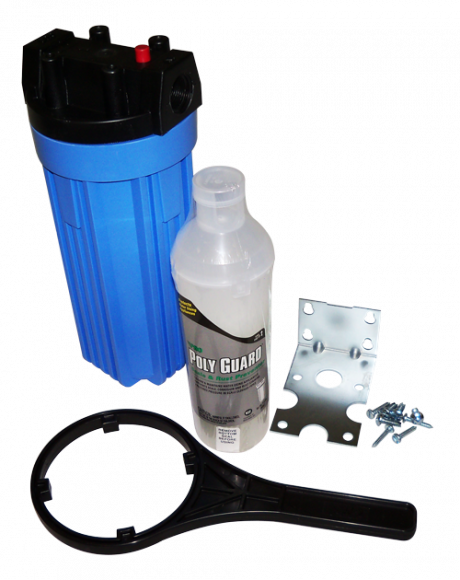
4. Use Phosphate Feeders: These coat pipe interiors and provide corrosion resistance.
5. Replace Damaged Pipes: For ongoing leaks or severe damage, consider switching to PEX or stainless steel.
Promptly addressing copper pipe corrosion is crucial to prevent further damage to your plumbing system.
Tip: To clean green corrosion from copper pipes, create a mixture of equal parts baking soda, salt, vinegar, and flour. Apply this paste to the affected area, let it sit, then scrub and rinse for effective, chemical-free cleaning.
Soil and Environmental Factors
Aggressive soils rich in chlorides, sulfates, or ammonia can corrode underground copper. Poor aeration supports bacteria that further degrade pipes. Always evaluate soil conditions during installation.
Read more: Checking Your Pipes for Corrosion and Scale Build-up
Copper Alloy Durability
Copper alloys are widely used for their corrosion resistance and electrical conductivity. But they’re not immune, especially in high-velocity or low-pH environments. Knowing your material’s limits can extend its lifespan.
Design Tips to Reduce Corrosion
-
- Keep cold water velocity below 8 ft/s and hot water below 4 ft/s
- Avoid stagnant water zones and sharp direction changes
- Use approved, low-corrosivity flux (ASTM B813)
- Ream pipe ends thoroughly to reduce turbulence
- Ground systems properly to avoid electrical reactions
Final Thoughts
Copper pipe corrosion is manageable, but only if you catch it early and take the right steps. Test your water regularly, maintain proper plumbing design, and treat imbalances with the right filtration or chemical systems. If damage is advanced, consult a licensed plumber to explore safer pipe alternatives and create a long-term plan.
With the right tools and maintenance, your home’s plumbing can remain clean, safe, and reliable for years to come.
Resources
EPA: Basic Information About Lead and Copper Corrosion in Drinking Water
NIH/NCBI: Copper in Drinking Water, the science behind copper corrosion and leaching.
EPA: Secondary Drinking Water Standards, Guidance for Nuisance Chemicals
Read More
Acid Neutralizer vs. Soda Ash for Well Water: Which One Do You Need?
Why Testing Your Well Water Is Essential
Frequently Asked Questions (FAQs)
1. What causes copper pipes to turn blue or green?
Blue or green stains are caused by oxidized copper, a result of corrosion. When copper dissolves into your water and interacts with air or surfaces, it leaves behind this telltale discoloration.
2. Is copper in my water harmful?
Yes, elevated levels of copper (above 1.0 mg/L) can pose health risks, especially for infants and people with liver conditions. The EPA’s action level for copper in drinking water is 1.3 mg/L.
3. What are the most common causes of copper corrosion in plumbing?
Common causes include low or high pH, dissolved oxygen, high total dissolved solids, sediment, improper grounding, electrochemical reactions, and poor installation techniques. Corrosion products can indicate the severity and type of corrosion occurring in copper pipes, helping to distinguish between erosion corrosion and uniform corrosion.
4. How do I know if my home has a copper corrosion problem?
Look for blue-green stains on fixtures, pinhole leaks, metallic-tasting water, or unexplained damage to appliances and plumbing. Water testing can confirm elevated copper levels. Additionally, visually evaluate copper surfaces for signs of corrosion, such as tarnishing or pitting.
5. Can city water cause copper corrosion?
Yes. Even treated municipal water can be corrosive if it has an imbalanced pH, high dissolved solids, or other corrosive qualities. Internal plumbing factors like grounding or water velocity can also contribute.
6. What’s the first step to fixing copper corrosion at home?
Start with a comprehensive water test. Test for pH, hardness, alkalinity, TDS, copper, and bacteria. This will help identify the cause and guide the right treatment solution.
7. How can I treat low-pH water to prevent corrosion?
Install a calcite neutralizer tank or soda ash feeder to raise the water’s pH to 7.2-8.0, making it less aggressive toward copper pipes.
8. What if I have high total dissolved solids (TDS)?
If TDS levels exceed 1,000 ppm, consider installing a whole-house reverse osmosis system followed by a calcite neutralizer to stabilize the pH after filtration.
9. Can plumbing design reduce copper corrosion risk?
Absolutely. Proper pipe sizes, reduced water velocity, minimized stagnant sections, using approved fluxes, and ensuring correct installation practices all help reduce corrosion.
10. Should I consider replacing copper pipes?
If corrosion damage is advanced or pinhole leaks are frequent, replacing old copper pipes with PEX or stainless steel may be a better long-term solution, especially in high-risk water conditions.
See how we make clean water simple, with proven systems, easy installation, and a 90-day guarantee. Whether your well or city water smells off or leaves stubborn stains, you don’t have to face it alone. The same goes if it’s damaging your appliances.

Article last updated August, 2026 by Author.


