_2.png)
 Request a Call
What’s Really in Your City Water? A Guide to Choosing the Right Drinking Water Filter
What contaminants are in my City Water?
Most homeowners assume that city water is automatically clean and safe to drink. While that’s generally true from a regulatory standpoint, “safe” doesn’t always mean “ideal” for daily consumption. City water quality varies dramatically across the United States and Canada, and understanding what’s in your specific water supply is the key to choosing the right filtration system for your family.
In this guide, we’ll explore what contaminants might be lurking in your city water, explain the differences between various filtration technologies, and help you match the right system to your specific needs and water quality.

What Common Contaminants Are Found in City Water?
City water undergoes treatment and disinfection to meet legal safety standards before distribution through municipal pipelines. However, this treated water can still contain several substances that affect taste, odor, and overall water quality:
-
- Chlorine and chloramines: Added for disinfection but can create unpleasant taste and odor
- Trace metals: Including iron, often picked up from household plumbing systems
- Dissolved minerals: Such as calcium and magnesium that contribute to water hardness
- Nitrates: Present in some areas due to agricultural runoff
- PFAS and PFOS: “Forever chemicals” found in certain water supplies
- Microplastics: An emerging concern in municipal water systems
The concentration and combination of these contaminants varies significantly depending on your geographic location, local water source, and municipal treatment methods.
What do I Need to Consider Before Buying A Water Filter?
When selecting a drinking water system, it’s crucial to understand that there are two distinct types of water quality problems:
1. Taste, Odor, and Specific Contaminants
This category includes chlorine, certain organic compounds, and sometimes heavy metals like lead. These issues are often noticeable through taste, smell, or visible particles in the water.
2. Dissolved Solids
This includes minerals and other substances that are completely dissolved in the water. These contaminants don’t necessarily affect safety but can impact taste and may include concerning substances like nitrates or PFAS.
Understanding this distinction is critical because a filter designed to address the first category doesn’t automatically solve problems in the second category.
Are Carbon Block Filtration Systems Good?
Carbon block filters excel at removing chlorine, which dramatically improves taste and odor. Many systems also incorporate additional media designed to remove lead, making them particularly valuable for homes with older plumbing.
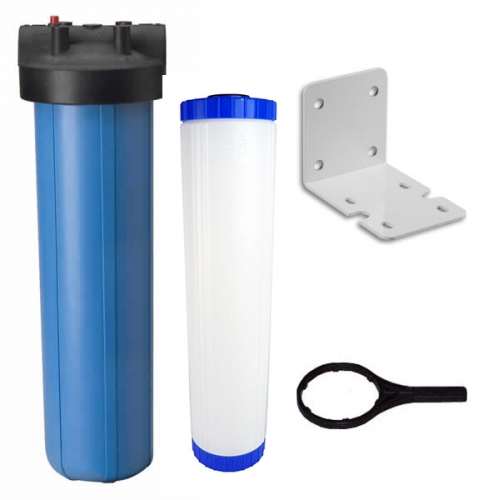
In cities where water naturally contains low dissolved solids and minimal minerals, carbon block systems often provide excellent results. The water tastes clean and smooth after chlorine removal. However, in areas with high mineral content, carbon filtration may still leave water tasting “minerally” even though it’s been significantly improved.
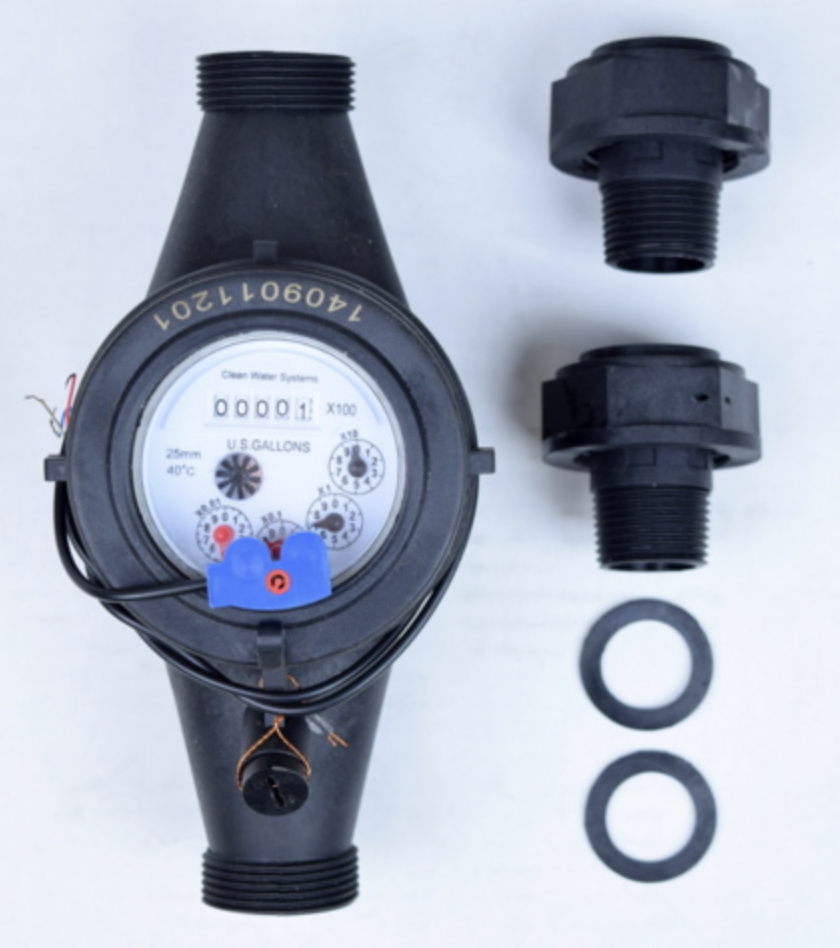
For homeowners monitoring their water usage alongside filtration improvements, tools like a Pulse Water Meter W/ Reed Switch 3/4″ can help track consumption patterns and filter replacement timing.
What Are Ceramic and Hybrid Filtration Systems for?
Modern ceramic drinking water systems often combine multiple technologies in a single cartridge. These typically feature:
-
- A ceramic outer layer for fine particulate reduction
- Activated carbon for chlorine and organic compound removal
- Additional media for lead and heavy metal reduction
Ceramic systems work exceptionally well in areas with particulate issues or moderate contamination levels, particularly in homes with older plumbing systems. Like carbon filters, they may not address high mineral content, so water taste will still reflect the dissolved mineral profile of your local supply.
Is Reverse Osmosis the Best for Pure Water?
Reverse osmosis (RO) systems are specifically designed to remove dissolved contaminants, including:
-
- High dissolved solids like salts and minerals
- Nitrates and dissolved metals
- PFAS and PFOS compounds
- Microplastics
Because reverse osmosis removes dissolved solids, the resulting water tastes much closer to bottled water. This is why most bottled water brands use RO processing. It creates that clean, neutral taste profile that many people prefer.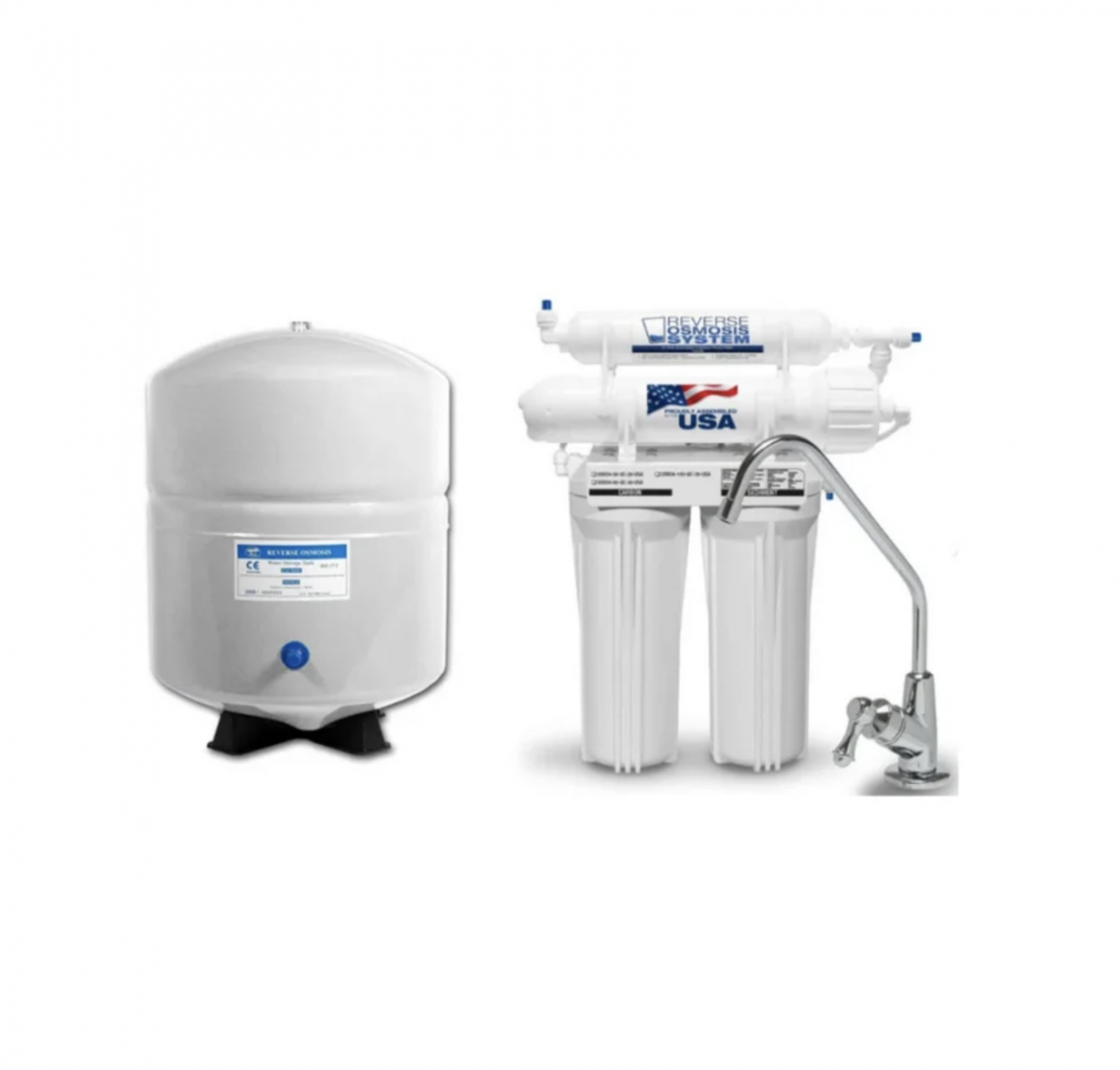
If testing reveals high dissolved minerals or specific dissolved contaminants in your city water, reverse osmosis is typically the most effective solution.
How do I get Bottled Water Quality Taste at Home?
Many homeowners install drinking water filters expecting bottled water taste but find themselves disappointed. The explanation is simple: most bottled water has very low dissolved solids due to reverse osmosis processing. While carbon and ceramic filters primarily address taste, odor, and specific contaminants without removing dissolved minerals.
This doesn’t mean your filter isn’t working – it’s likely performing exactly as designed. The difference lies in understanding what type of filtration matches your water quality and taste preferences. Do you want the mineral taste still present with carbon or ceramic type filters or are you ok with the very pure, almost tasteless quality of Reverse Osmosis water?
How do I Choose The Best Water Filter?
The key to selecting an effective drinking water system lies in understanding your specific water quality. Here’s a practical approach:
-
- Test your water: Identify what contaminants are present in your supply
- Define your goals: Determine whether you’re primarily addressing safety concerns, taste issues, or both
- Match the technology: Choose filtration methods that target your specific water quality challenges
- Consider your lifestyle: Factor in maintenance requirements, water usage, and budget
For those dealing with well water systems alongside city water applications, comprehensive resources like The Definitive Guide to Well Water Treatment Ebook can provide valuable insights into water quality management principles that apply across different water sources.
Conclusion
City water quality varies dramatically across different municipalities, making it essential to understand your specific water profile before investing in filtration equipment. Whether you need simple chlorine removal with a carbon system, comprehensive particulate reduction with ceramic filtration, or complete dissolved solids removal through reverse osmosis depends entirely on your local water conditions and personal preferences.
While some people are happy with a simple under-sink filter in the kitchen, others want a whole house water filter system and a Reverse Osmosis System.
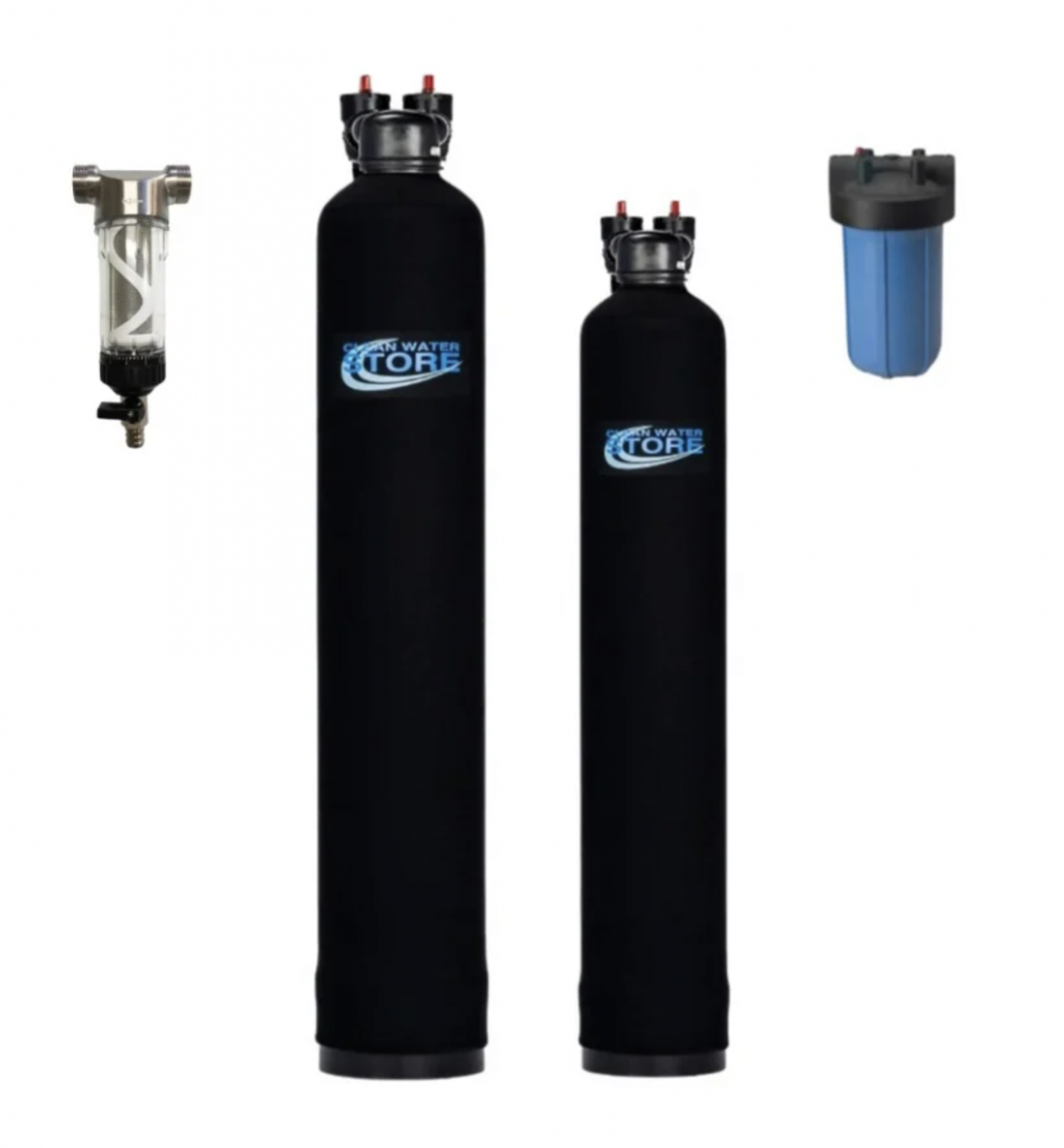
Remember, there’s no universal “best” drinking water system – only the right system for your specific situation. If you need help choosing the right system for your water quality and family needs, our water treatment experts are here to help.

Article last updated March 31, 2026 by Author.
Additional Resources
Related Guides
Still have questions about your city water? These guides go deeper on specific topics:
- Best Water Filter System for Removing PFAS From City Water — if PFAS is your primary concern, start here
- Whole House Water Filtration Systems for City Water — for homeowners who want clean water at every tap, not just the kitchen sink
- What’s the Best Complete Water Testing Kit for City Water? — not sure what’s in your water? Start with a test
- Custom Water Filtration Based on Your Water Test Results — how to build the right system once you know your water chemistry
- Are Microplastics in City Tap Water? — our deep dive on microplastics in municipal water
Frequently Asked Questions
Q: Why does my city water taste bad even though it’s considered safe?
City water is treated to meet safety standards, but this doesn’t eliminate taste and odor issues. Chlorine used for disinfection, dissolved minerals, and trace metals from plumbing can all affect taste while still meeting regulatory requirements.
Q: Will a carbon filter make my water taste like bottled water?
Not necessarily. Carbon filters excel at removing chlorine and improving taste, but they don’t remove dissolved minerals like reverse osmosis systems do. If your water has high mineral content, it may still taste “minerally” after carbon filtration.
Q: How do I know what contaminants are in my city water?
You can request your city’s annual water quality report, have your water professionally tested, or use a home test kit. These will reveal specific contaminants and their concentrations in your water supply.
Q: Is reverse osmosis necessary for city water?
It depends on your water quality and preferences. If your city water has high dissolved solids, concerning levels of nitrates or PFAS, or you prefer the taste of purified water, reverse osmosis may be worth considering.
Q: How often should I replace my drinking water filter?
Replacement frequency depends on your filter type, water usage, and local water quality. Most carbon filters need replacement every 6-12 months, while reverse osmosis membranes typically last 2-3 years with proper maintenance.


