_2.png)
 Request a Call
Water Filters Certified for Bacteria and Virus Removal: What Well Water Owners Need to Know
If you are on a private well, bacteria and virus protection is one of the most important water quality decisions you will make. Unlike city water — which is treated and regulated before it reaches your tap — well water is your responsibility. Whatever is in your aquifer comes directly to your home untreated.
The challenge is that most water filters do not remove bacteria and viruses. A standard carbon filter improves taste and removes chlorine — but it does nothing for biological contamination. Knowing which technologies actually work is essential before you buy anything. Read on to find out how to find a water filter certified for bacteria and virus removal in well water.
👉 Not sure what is in your well water? Start with a water test at Clean Water Store
Watch: Can Ultrafiltration Remove Bacteria? UF vs UV Explained
Gerry from Clean Water Store breaks down exactly how ultrafiltration and UV disinfection work, what each one does best, and how to choose the right setup for your home. Find the best water filter for certified bacteria and virus removal in your well water with these simple steps.
Do All Water Filters Remove Bacteria and Viruses?
No — and this is one of the most dangerous misconceptions in home water treatment. Most water filters are designed to improve taste, odor, and remove sediment or specific chemical contaminants. They are not designed or tested for biological protection.
-
- A standard activated carbon filter removes chlorine, VOCs, and some heavy metals — it does not kill or remove bacteria and viruses
- A sediment filter removes physical particles — it does not address biological contamination
- Even many whole house systems marketed for well water do not include biological treatment as a standard feature
Biological protection requires a specific technology — UV disinfection, ultrafiltration membranes, or certified bacteria-reduction cartridge filters — and ideally a combination of these for comprehensive protection.
What Are the NSF Certifications for Bacteria and Virus Removal?
NSF International is the leading independent certification body for water treatment systems. Here are the certifications that matter for biological protection:
NSF/ANSI 55 — Ultraviolet Microbiological Water Treatment Systems
This is the certification for UV disinfection systems. There are two classes:
-
- Class A (40 mJ/cm²): Designed to inactivate or remove microorganisms including bacteria, viruses, Cryptosporidium, and Giardia. This is the class appropriate for well water with confirmed or suspected biological contamination
- Class B (16 mJ/cm²): Designed for supplemental disinfection of treated city water — not appropriate for well water with biological contamination concerns
Always specify NSF/ANSI 55 Class A when selecting a UV system for well water.
NSF/ANSI 244 — Ultrafiltration Systems
This certification covers ultrafiltration membrane systems that physically remove bacteria, cysts, and in some cases viruses through mechanical filtration. UF membranes filter down to 0.01 to 0.05 microns — smaller than most bacteria and protozoan cysts.
NSF/ANSI 42 and 53 — Drinking Water Treatment Units
NSF 42 covers aesthetic reduction (taste, odor, chlorine). NSF 53 covers health-related contaminant reduction. Some specialty cartridge filters certified under NSF 53 include claims for cyst reduction.
What Is UV Disinfection and Is It Effective for Well Water?
UV disinfection is one of the most effective and widely used methods for biological protection in private well water. A UV system exposes water to ultraviolet light at 254 nanometers as it flows through a chamber. The UV light damages the DNA of bacteria, viruses, and protozoan cysts — rendering them unable to reproduce and harmless.
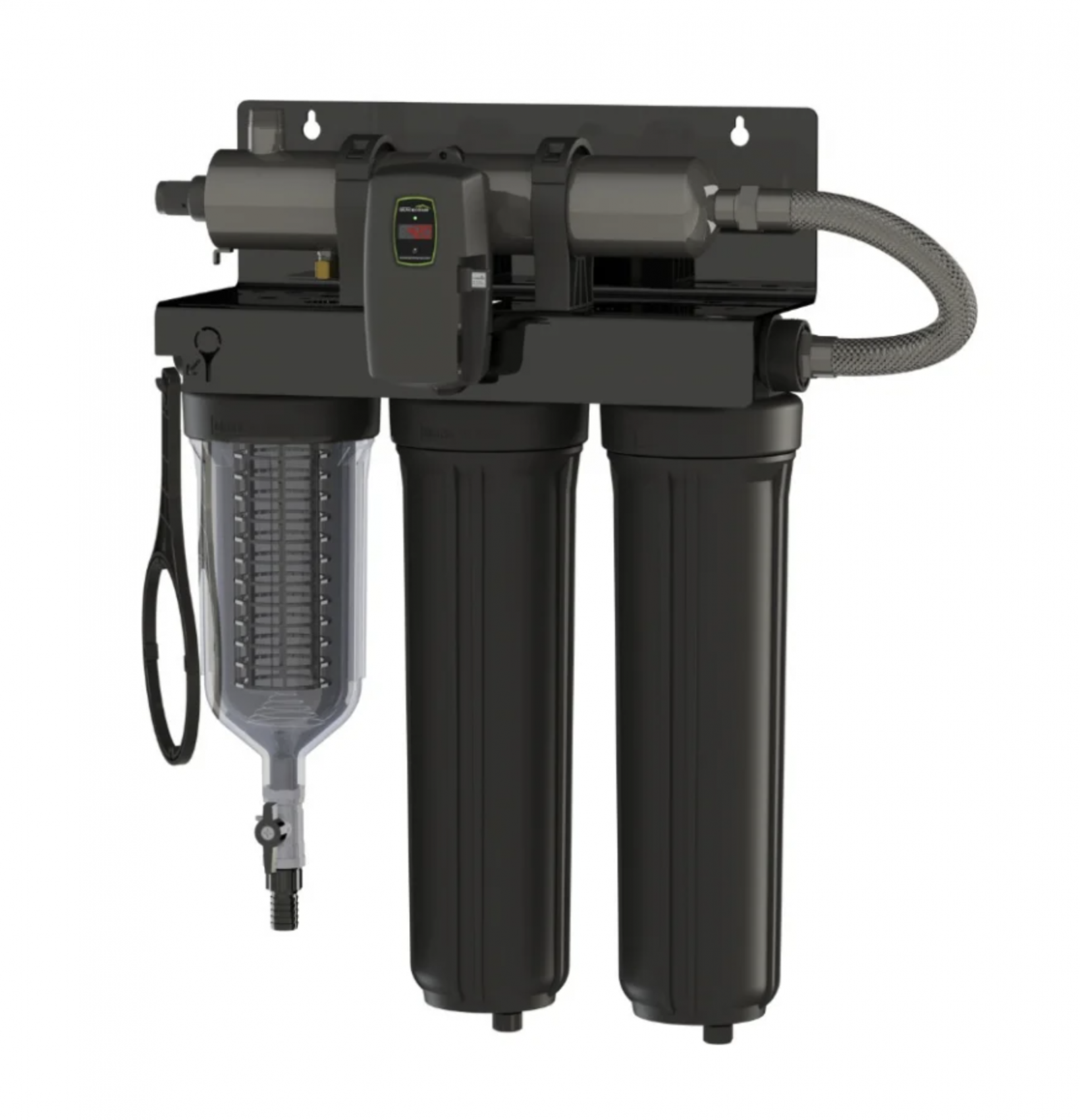
UV disinfection is chemical-free — it adds nothing to your water and does not affect taste, odor, or mineral content. It is effective against a very broad spectrum of microorganisms including E. coli, coliform bacteria, Cryptosporidium, Giardia, and most viruses.
Important requirements for UV to work properly:
-
- Clear water is essential: UV light cannot penetrate turbid or colored water. Iron, manganese, sediment, and tannins must be removed by pretreatment first
- Annual lamp replacement: UV lamps lose effectiveness over time regardless of hours of use
- Proper sizing: The UV system must be sized for your peak flow rate
Our Luminor and Wonderlight UV systems use USA-made lamps and are certified to NSF/ANSI 55 Class A — appropriate for well water biological treatment.
👉 View UV disinfection systems at Clean Water Store
What Are NanoCeram Bacteria Filter Cartridges and When Should I Use Them?
NanoCeram bacteria filter cartridges use a patented electro-positive nano-fiber filtration technology developed with NASA technology. Unlike standard mechanical filters that rely on pore size alone, NanoCeram uses electrostatic attraction to capture bacteria, viruses, and other biological contaminants.
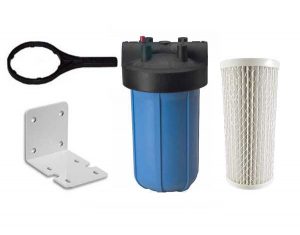
NanoCeram performance:
-
- 7.5 log removal of E. coli
- 6 log removal of viruses
- 99.5% endotoxin removal
- Removes cysts and parasites
- Certified NSF/ANSI 42 and 53
NanoCeram cartridges work best as a final safety stage after upstream treatment — installed after a UV system to capture dead bacteria bodies (endotoxins) that pass through UV treatment. They can also be used as a standalone point-of-use filter where biological protection is needed.
👉 View NanoCeram Bacteria Filter System 4.6 GPM
👉 View NanoCeram Bacteria Filter System 10 GPM
What Is Ultrafiltration and How Does It Compare to UV for Bacteria Removal?
Ultrafiltration uses hollow fiber membranes with pores typically 0.01 to 0.05 microns in diameter to physically block bacteria, protozoan cysts, fine sediment, and most viruses. Water is pushed through the membrane under pressure — anything larger than the pore size cannot pass through.
UF vs UV — Side by Side
| UV Disinfection | Ultrafiltration (UF) | |
|---|---|---|
| How it works | Kills microorganisms by damaging their DNA | Physically blocks and removes bacteria and cysts |
| Removes organisms? | No — inactivated organisms remain in water | Yes — physically removed from water |
| Water clarity needed? | Yes — requires pretreated, clear water | No — also removes turbidity |
| Maintenance | Annual lamp replacement required | Daily backwash required |
| Dissolved contaminants | Does not remove | Does not remove |
For maximum biological protection on well water, combining both technologies — UF as the primary physical barrier plus UV as a final disinfection stage — provides the most comprehensive protection available.
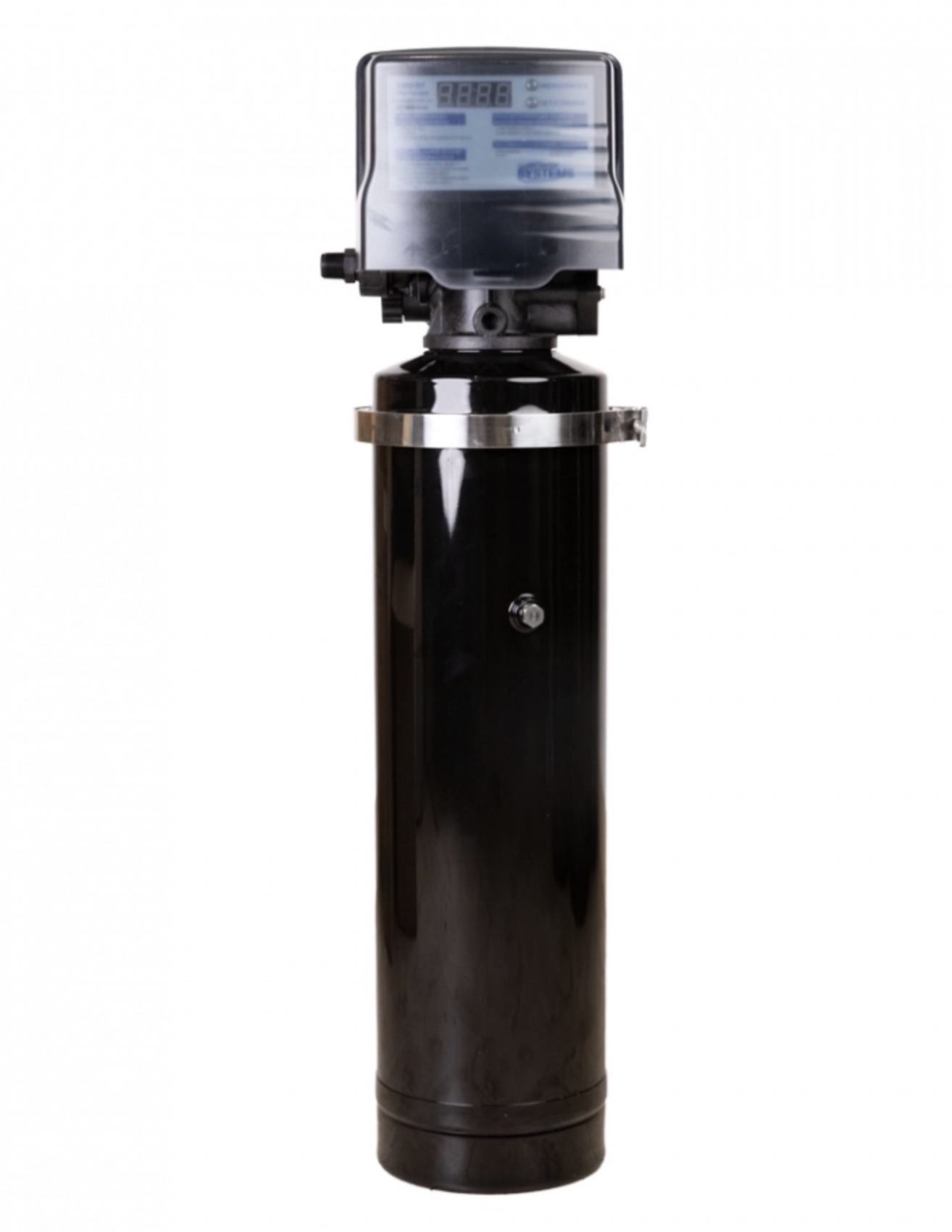
👉 View Whole House Ultrafiltration Systems
How Do I Know If My Well Water Has Bacteria?
You cannot tell by looking at, tasting, or smelling the water. Bacterial contamination in well water is frequently odorless, colorless, and tasteless. The only way to know is to test.
Signs that increase your risk of bacterial contamination:
-
- A shallow well or dug well
- A well located near a septic system, livestock, or agricultural land
- A well that has flooded or been impacted by surface water runoff
- A well with a damaged or missing wellhead seal
- Anyone in the household recently experienced unexplained gastrointestinal illness
- A well that has not been tested in over a year
Furthermore, the EPA recommends that private well owners test for total coliform bacteria at least once a year and more frequently after flooding events or any changes near the well.
👉 Order an Easy Well Water Test Kit — includes bacteria, lead, and pesticide testing
What Is the Right Treatment Sequence for Biological Protection?
Biological treatment works best as the final stage in a properly designed system — after upstream pretreatment has removed the contaminants that interfere with UV and UF effectiveness. Here is the recommended sequence:
-
- Sediment pre-filter — removes sand, silt, and coarse particles
- Iron filter (if iron is present) — iron significantly reduces UV effectiveness and must be removed first
- Water softener (if hardness is high) — hard water can scale UV chambers over time
- UV disinfection system (NSF/ANSI 55 Class A) — inactivates bacteria, viruses, and protozoa
- UF or NanoCeram bacteria filter (optional final stage) — physical barrier that removes inactivated organisms

Not every well needs every stage. Your water test results tell you which stages are required for your specific situation.
What Is Chlorination and When Is It the Right Choice for Well Water?
Chlorine injection is one of the most effective and proven methods for killing bacteria, viruses, and other biological contaminants in private well water. Unlike UV disinfection — which inactivates organisms as water flows past a lamp — chlorination introduces a measured dose of chlorine solution directly into the water line each time the well pump runs, providing a residual disinfectant that continues working through your plumbing.
Chlorine is effective against a broad spectrum of pathogens including total coliform, E. coli, iron bacteria, and sulfur bacteria, and it also pre-treats iron and manganese — making it a strong choice when biological contamination and iron or odor issues are present at the same time.
Our J-PRO-38 Chlorinator System
The J-PRO-38 is our recommended chlorinator package for residential well water. It uses a heavy-duty metering pump to inject a precise dose of chlorine solution each time the well pump runs — delivering accurate chlorine residuals with minimal maintenance. Unlike Stenner-style peristaltic pumps, the J-PRO-38 has no pump tube failures or rollers to wear out, and it comes pre-wired for proportional feed if you want to add a flow sensor later.
The complete system includes the pump, a 15 or 35 gallon polyethylene solution tank, tubing, fittings, injection check valve, and a free chlorine test kit so you can verify your residual right away. We back it with a 6-month satisfaction guarantee and free expert setup support — after installing hundreds of chlorination systems since 1986, we can advise on exactly which chlorine solution to use, how much to use, and how to set your pump correctly.

A note on hydrogen peroxide: We also carry a hydrogen peroxide injection system that works well for eliminating rotten egg odors and oxidizing iron and sulfur. However, hydrogen peroxide is not approved by the EPA as a primary disinfectant and is not recommended when coliform bacteria or biological contamination is the primary concern. If bacteria is your issue, chlorine injection or UV is the right approach. If odor is your primary problem with no confirmed bacterial contamination, hydrogen peroxide may be worth considering — ask one of our water specialists.
What Should I Do First If I Am Concerned About Bacteria in My Well Water?
Test your water first. A water test for total coliform, E. coli, and other bacteria tells you whether you have a biological contamination issue and at what level — which determines the right treatment approach. Do not skip this step.
At Clean Water Store, our WQA certified water specialists review water test results every day and help well water customers build the right biological protection system for their specific situation. We carry NSF/ANSI 55 Class A UV systems, NanoCeram bacteria filter cartridges, and whole house UF systems — and we will help you choose and size the right combination for your water.
👉 Order a water test kit
👉 Shop bacteria treatment systems
👉 View all bacteria test kits
👉 Ultraviolet Sterilizers for Well Water — Complete Guide
👉 Bacteria in Well Water, An Overview

Authoritative Resources on Well Water and Bacteria
The following government and independent certification resources provide additional guidance on private well safety, bacterial contamination, and water treatment standards:
EPA — Protect Your Home’s Water (Private Wells)
The U.S. Environmental Protection Agency’s official guide for private well owners on testing frequency, contamination risks, and treatment options.👉 epa.gov — Protect Your Home’s Water
CDC — Guidelines for Testing Well Water
The Centers for Disease Control and Prevention recommends testing well water at least once a year for total coliform bacteria and explains how to interpret results.
👉 cdc.gov — Guidelines for Testing Well Water
CDC — Guidelines for Treating Well Water
CDC guidance on treatment options when bacteria or other contaminants are detected in private well water.
👉 cdc.gov — Guidelines for Treating Well Water
NSF International — Standards for Water Treatment Systems
NSF’s overview of drinking water treatment certifications including NSF/ANSI 55 (UV disinfection), NSF/ANSI 244 (ultrafiltration), NSF/ANSI 42 and 53 — the certifications referenced throughout this article.
👉 nsf.org — Standards for Water Treatment Systems
CDC — Private Drinking Water and Public Health
CDC data and overview on private well contamination risks, including the statistic that about 1 in 5 sampled private wells contain at least one chemical at levels that could affect health.
👉 cdc.gov — Private Drinking Water and Public Health
Article last updated May 19, 2026 by Author.


